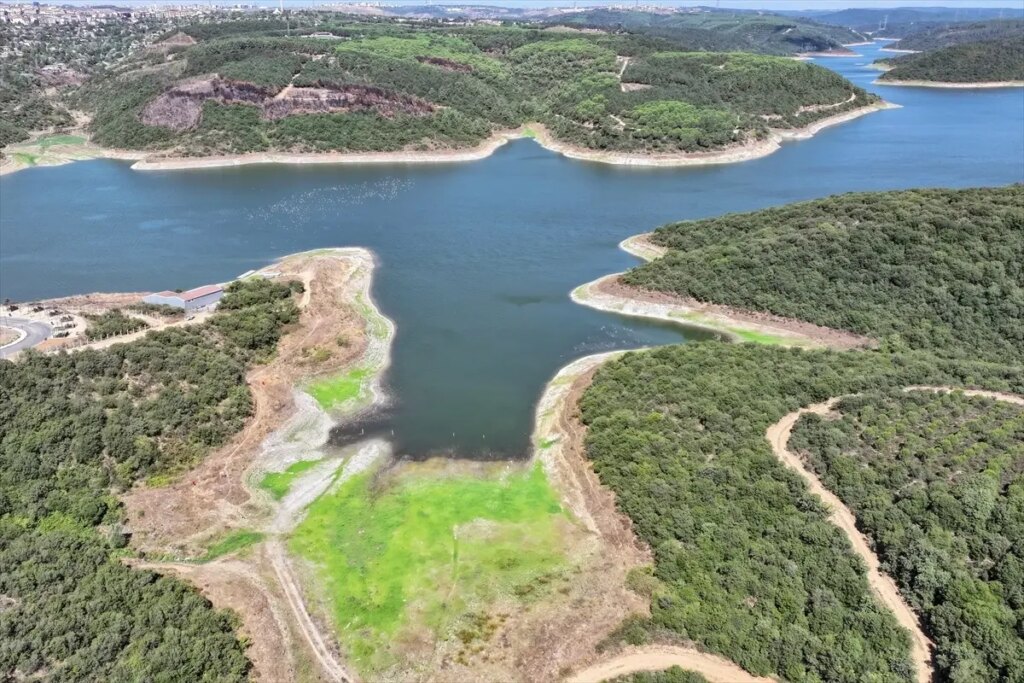

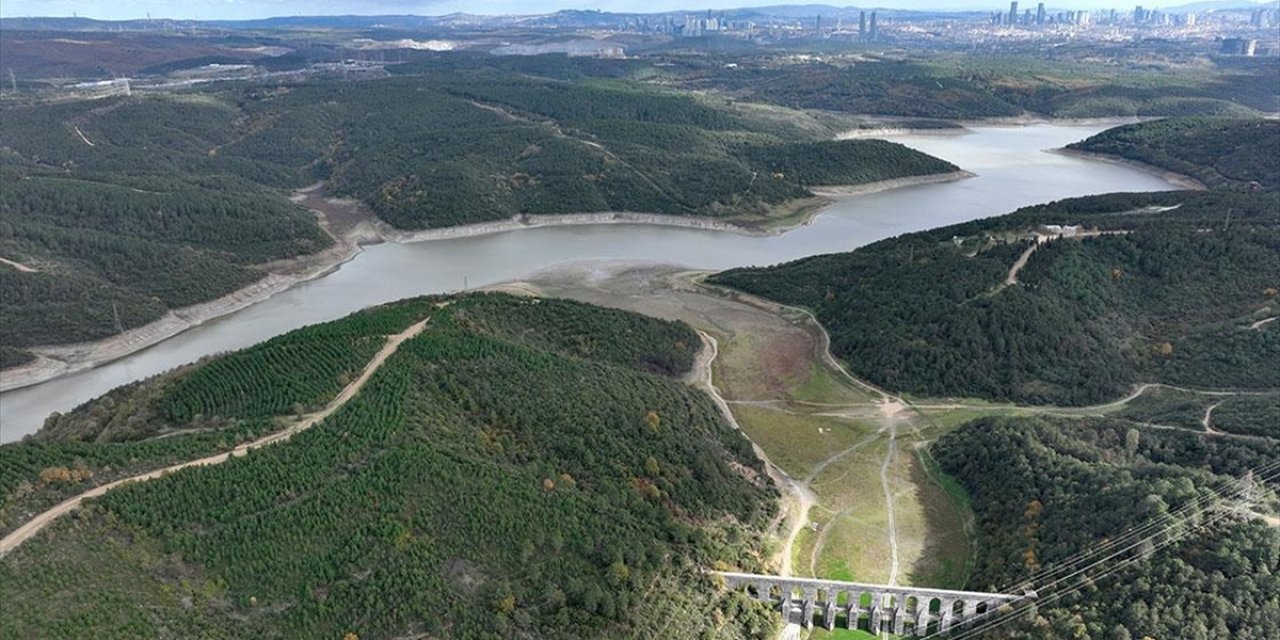
Istanbul, Türkiye’s largest metropolis and economic powerhouse, is grappling with declining water reserves as the city’s reservoir levels have fallen to just 48.3 percent, according to the latest data from the Istanbul Water and Sewerage Administration (İSKİ). The drop comes after months of hot, dry weather and marks a steep decline from April 15, when water levels had reached a comfortable 82.22 percent.
The latest figures indicate a worrying trend, with the city’s water supply steadily decreasing throughout the summer. In the past two weeks alone, reservoir levels have fallen from 53.62 percent to 48.3 percent, a decline that underscores the combined impact of low rainfall, high evaporation, and growing consumption during peak summer months.
Breakdown by Reservoir – Uneven Distribution Across the City
Istanbul’s water supply system is supported by multiple reservoirs, each with varying capacities and catchment areas. The latest İSKİ report details the following current fill rates:
Ömerli – 46.81%
Darlık – 59.65%
Elmalı – 66.10%
Terkos – 53.01%
Alibey – 31.53%
Büyükçekmece – 47.76%
Sazlıdere – 41.93%
Istrancalar – 28.05%
Kazandere – 34.07%
Pabuçdere – 40.91%
These numbers reveal a sharp contrast between reservoirs. While Elmalı and Darlık remain relatively well-supplied, Istrancalar and Alibey have dropped to dangerously low levels, indicating potential localized stress on the network if dry conditions persist.
Total Capacity vs. Current Storage
The reservoirs and ponds supplying Istanbul have a combined maximum storage capacity of 868.68 million cubic meters. As of today, the total amount of water stored stands at 419.16 million cubic meters.
To supplement these reserves, Istanbul relies on external water sources, primarily the Melen and Yeşilçay systems. So far this year, these sources have provided 403.72 million cubic meters of water. While such transfers help maintain supply stability, they also highlight Istanbul’s heavy dependence on outside resources, especially during dry years.
On August 11, daily water consumption in the city was recorded at 3.489 million cubic meters. This figure reflects not only household demand but also commercial, industrial, and agricultural use within the metropolitan area.
Historical Comparisons Show Growing Volatility
A look back at İSKİ’s historical data for August 12 in previous years paints a picture of fluctuating water security:
2015 – 74.42%
2016 – 57.92%
2017 – 67.32%
2018 – 69.14%
2019 – 64.20%
2020 – 53.37%
2021 – 63.58%
2022 – 62.80%
2023 – 34.27%
2024 – 53.82%
2025 – 48.30%
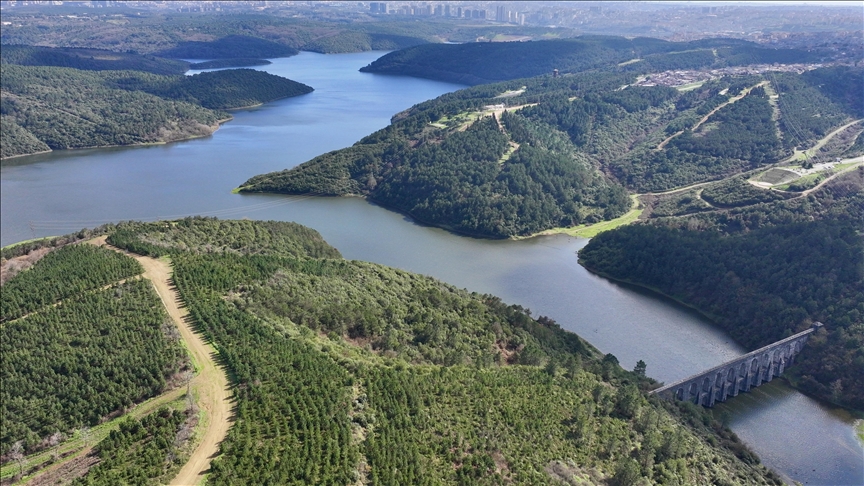
The 2023 reading of 34.27 percent stands as one of the lowest in recent memory, highlighting the vulnerability of Istanbul’s water system during prolonged droughts. While 2025’s figure is higher than last year’s crisis point, it remains well below the ideal 60–70 percent range that provides a buffer against seasonal fluctuations.
The Role of Rainfall in 2025’s Decline
Cumulative rainfall over the reservoir basins this year has been measured at 334.78 kilograms per square meter. While this is a moderate figure, it has not been enough to offset intense evaporation rates during prolonged periods of above-average temperatures.
The summer of 2025 has been characterized by extreme heatwaves in Türkiye, pushing daily evaporation rates higher and reducing inflows into reservoirs. Compounding the issue, the July 2025 Area Rainfall Report from the General Directorate of Meteorology showed a 71 percent drop in rainfall compared to July 2024 — a dramatic shortfall that has accelerated water loss in key basins.
Rising Consumption in a Growing City
With a population exceeding 16 million residents and millions more visitors each year, Istanbul’s water demand is immense. In summer, daily usage increases significantly due to higher personal consumption, garden and park irrigation, and tourism-related activities.
The city’s infrastructure must balance these needs with the limited capacity of its water sources, and the strain becomes particularly visible when rainfall is scarce. Even with external transfers from Melen and Yeşilçay, the overall supply-demand balance remains delicate.
Expert Concerns Over Long-Term Water Security
Water resource experts warn that the combination of climate change, rapid urbanization, and inefficient water usage could lead to chronic supply issues in the coming decades. The risk is not just about low reservoir levels in one dry season — it is about the increasing frequency and severity of such events.
Dr. Mehmet Aksoy, a hydrology specialist at Istanbul University, notes that “the drop below 50 percent this early in August is a red flag. Without significant rainfall in autumn, Istanbul could face water restrictions by the end of the year.”
Strategies to Manage the Crisis
İSKİ and local authorities have outlined several measures to ensure water security:
Public awareness campaigns encouraging reduced water use in households.
Leak detection and repair programs to minimize losses in the distribution network.
Investment in modern irrigation systems for agricultural areas within the city’s supply basin.
Rainwater harvesting initiatives for industrial and residential buildings.
Expansion of external supply projects, including upgrades to Melen and Yeşilçay infrastructure.
These strategies are designed to both address immediate shortages and build resilience against future droughts.
The Climate Change Factor
Meteorologists emphasize that climate change is altering precipitation patterns in Türkiye, leading to more unpredictable wet and dry periods. Extreme events, such as intense rainstorms followed by prolonged heatwaves, can reduce the effectiveness of traditional water storage systems.
For Istanbul, this means that the city must prepare for greater variability, including the possibility of sudden floods that do little to replenish long-term water reserves due to rapid runoff.
Public Responsibility and Behavioral Changes
While infrastructure projects are essential, experts stress that public cooperation is equally important. Simple actions like reducing shower times, using water-efficient appliances, fixing household leaks, and avoiding unnecessary lawn watering can collectively make a significant difference in daily consumption.
Social media campaigns, community workshops, and school programs are being used to instill water-saving habits among residents, particularly younger generations who will inherit the city’s water challenges.
Outlook for the Rest of 2025
Looking ahead, meteorological forecasts for the remainder of the year will be critical in determining whether the current downward trend can be reversed. A wetter-than-average autumn could replenish reservoirs, but continued dry conditions could push Istanbul toward stricter conservation measures.
İSKİ’s monitoring efforts will continue daily, with regular public updates on reservoir levels. The next two months are likely to be decisive in shaping the city’s water management strategies heading into winter.
A Delicate Balance Between Supply and Demand
The situation in August 2025 serves as a reminder that even in a city with sophisticated water infrastructure, natural variability can quickly alter the security of essential resources. Maintaining this balance will require sustained investment, smarter management, and a commitment from residents to treat water as the valuable and finite resource it is.
Whether the reservoirs can recover before next summer depends on both the weather and the collective actions of the people who call Istanbul home.