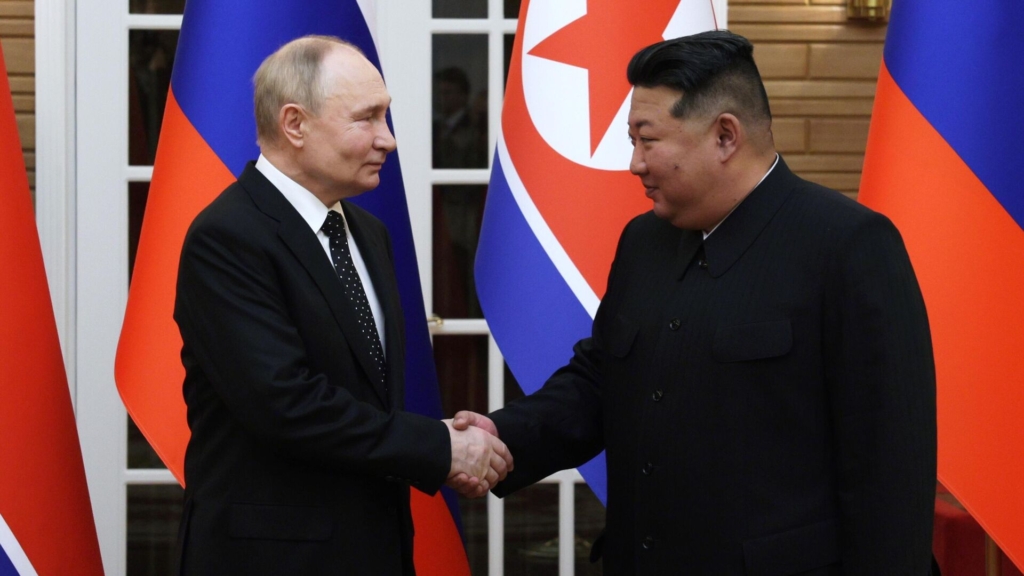

In a development that underscores the strengthening alliance between Russia and North Korea, Russian President Vladimir Putin and North Korean leader Kim Jong-un held a telephone conversation marked by mutual support, strategic coordination, and a commitment to deepening bilateral ties. The call, described as “warm and friendly” by North Korea’s state media, emphasized the nations’ shared interest in maintaining close contact and mutual understanding.
According to the Korean Central News Agency (KCNA), Kim Jong-un reiterated his country’s loyalty to the “spirit of agreements” reached with Russia and reaffirmed unwavering support for Moscow’s political direction. In turn, President Putin acknowledged the growing relevance of their bilateral relationship, particularly amid shifting global alliances and increasing Western pressure on both states.
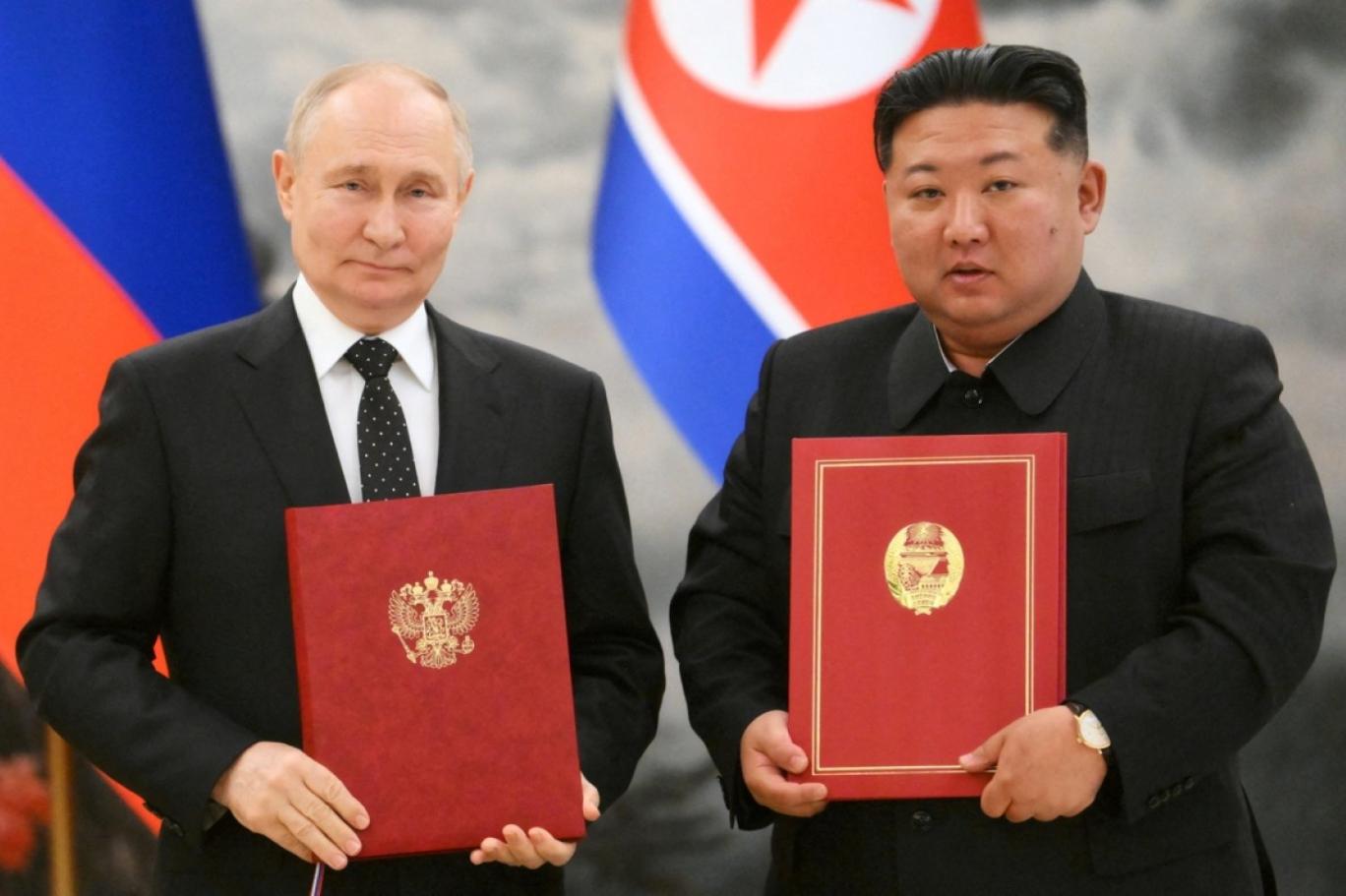
Commitment to Cooperation Despite Global Pressures
The dialogue comes at a time when both Russia and North Korea face mounting isolation from Western powers. Russia continues to grapple with sanctions and diplomatic backlash following its actions in Ukraine, while North Korea remains under heavy UN sanctions due to its nuclear weapons program.
In this context, the Putin–Kim dialogue signals a broader geopolitical strategy: two nations under pressure finding strength through mutual support. The KCNA stated that the leaders agreed to “maintain close contacts and exchange views on matters of mutual concern,” a line interpreted by analysts as a pledge to coordinate more frequently on diplomatic, military, and economic fronts.
Enduring Diplomatic Warmth
This is not the first high-level interaction between the two leaders. The Kremlin had previously confirmed a phone call between Putin and Kim during which Putin reportedly briefed Kim about his dialogue with then-U.S. President Donald Trump. The current conversation, however, appears to have shifted from being informative to being strategic.
The North Korean side was particularly keen to emphasize Kim’s vow that his country would “always remain loyal to the spirit of agreements made with Russia.” While specific terms were not disclosed, this statement likely refers to mutual understandings on military cooperation, technology exchange, and possibly coordinated responses to international sanctions.
Strategic Relevance of the Call
The phone call’s significance extends far beyond symbolism. In recent years, Russia has been quietly increasing its outreach to nations that share its skepticism toward U.S.-led global frameworks. North Korea, isolated and defiant, fits that mold perfectly. In return, Pyongyang gains a critical lifeline to a global power that sits on the UN Security Council and has shown a willingness to challenge Western narratives.
Both countries benefit from what some analysts call “sanctions solidarity.” By forging economic and strategic ties with each other, they reduce their dependency on traditional trade partners and find ways to circumvent sanctions through bilateral arrangements or regional networks involving China and Iran.
Potential Areas of Collaboration
Although the content of the phone call has not been fully revealed, several possible areas of deepening cooperation have been speculated:
Military Technology and Defense Dialogues: There is growing speculation that North Korea may seek to gain military technology know-how from Russia, especially as both countries are pushing the boundaries of missile and satellite development. Conversely, North Korea’s large but outdated stockpiles of conventional weaponry may be of interest to Russia for other strategic purposes.
Energy and Natural Resources: North Korea has long sought stable access to fuel and energy resources. Russia, with its vast reserves, could provide support—especially if done through quiet, off-grid channels that minimize international scrutiny.
Diplomatic Backing in International Arenas: With rising tensions in the Korean Peninsula, Pyongyang is likely to welcome diplomatic cover from Moscow. Russia’s permanent seat at the UN Security Council gives it veto power, which could shield North Korea from additional resolutions or condemnations.

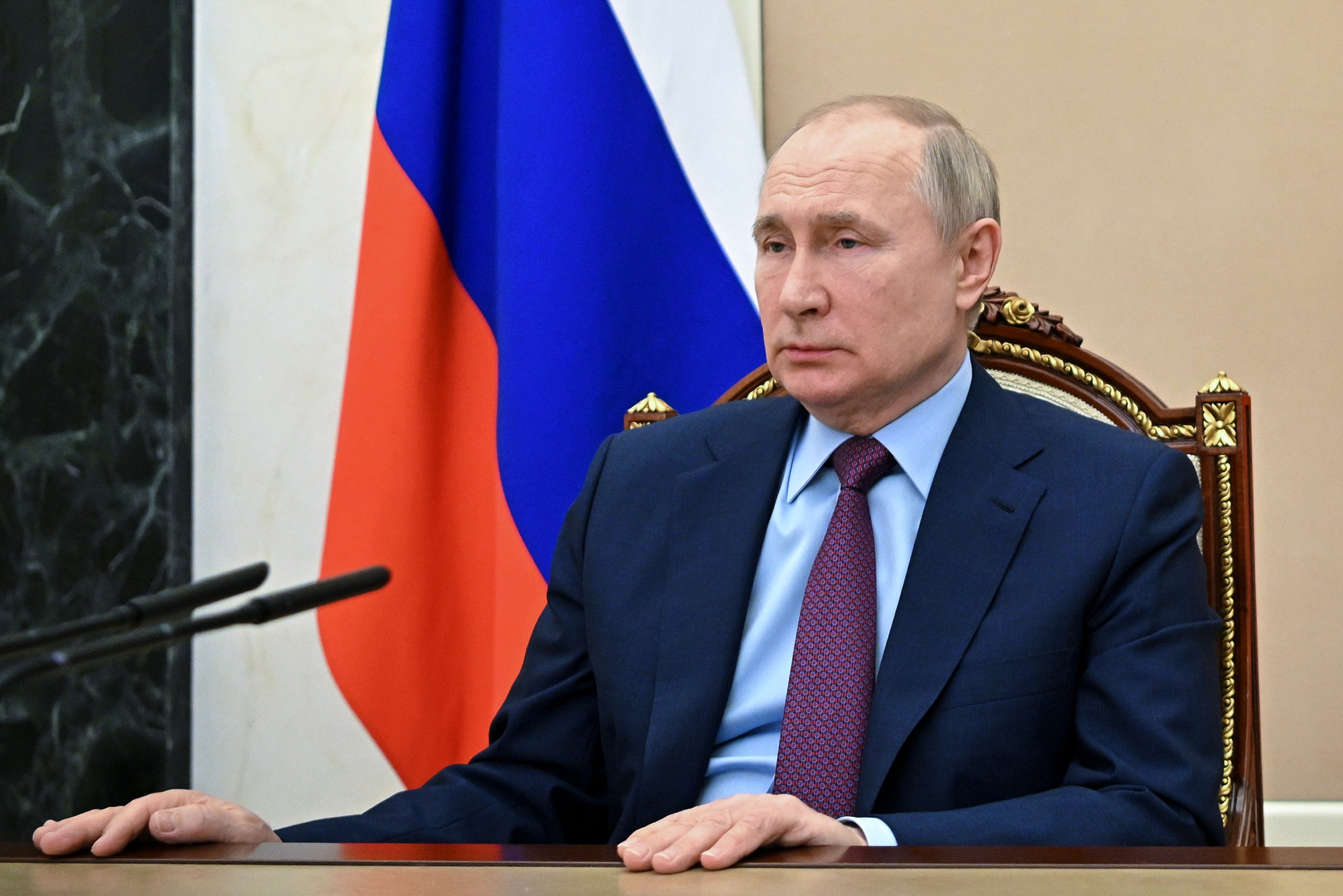
Symbolic Timing and Strategic Messaging
The timing of the conversation is also symbolic. As global geopolitical tensions intensify—with continued military exercises in the Pacific, growing NATO activity near Russia’s borders, and the economic decoupling of East and West—the reaffirmation of friendship between Russia and North Korea sends a clear message: alternative power alliances are growing stronger.
This strategic messaging is further amplified by the tone of the call. The use of terms like “warm” and “friendly” may seem ceremonial but are carefully chosen in state-run media to convey more than just formality. It reflects a deeper cultural and political understanding between the two regimes, both of which rely heavily on loyalty, legacy, and strong leadership narratives.
Regional Implications and International Reactions
While the call was bilateral in nature, its implications ripple across the region. In Seoul, the conversation may be perceived as an ominous sign of enhanced North Korea-Russia coordination, possibly impacting the South’s national security calculus. Similarly, Tokyo and Washington will likely view the reaffirmed ties as a challenge to their efforts at containment and deterrence.
Experts on Korean Peninsula affairs caution that these communications, while not new, could evolve into more tangible military or economic cooperation, especially if further provoked by regional military exercises or sanctions. They point out that “friendly phone calls” are often precursors to more formal summits, joint military planning, or defense deals—particularly when such calls are publicly acknowledged.
The Balance of Power in a Polarizing World
As the world continues to move toward multi-polarity, conversations like the one between Putin and Kim take on greater significance. They represent not just diplomatic formalities, but realignments in a global order where traditional Western hegemony is increasingly contested.
For Russia, building stronger bridges with North Korea may be part of a larger pivot to the East, where new trade routes, security partnerships, and energy alliances are forming. For North Korea, being seen as a relevant player in this evolving order provides both legitimacy and leverage in future negotiations.
What remains to be seen is how these alliances will evolve under the strain of international diplomacy and whether mutual support will extend into action. The call between Putin and Kim Jong-un has laid the foundation — whether that foundation leads to further cooperation or global confrontation will be determined by what comes next.