

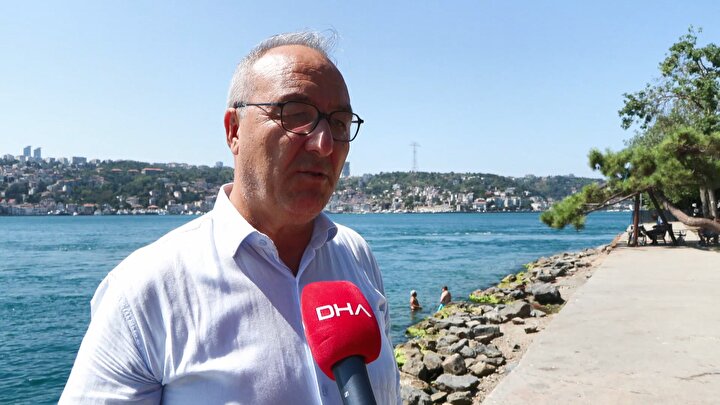
Istanbul residents are currently experiencing a unique weather pattern where cooler winds from the north — known as Poyraz — offer temporary relief from Türkiye’s typical summer heatwaves. However, these same winds are also pushing humidity levels higher, making the air feel significantly warmer and more oppressive than actual temperatures suggest. According to Meteorology Expert Adil Tek, although extreme heatwaves are not expected in the coming days, humidity-driven discomfort will dominate Istanbul’s climate through the last week of August.
Temperatures Remain Mild but Feel Hotter Due to High Humidity
Adil Tek emphasized that current daytime temperatures in Istanbul hover around 29°C, rising to 31–32°C in southern districts. While these figures are only slightly above seasonal norms, the real story lies in how the body perceives the temperature. The Poyraz wind carries moisture from the Black Sea, causing a spike in humidity, especially in coastal and low-lying areas of the city.
“We feel hotter than we actually are,” said Tek. “Poyraz prevents the temperature from rising too high, but brings in high humidity. That’s why people feel uncomfortable despite the moderate air temperatures.”
No Extreme Heatwave in Sight, But Nights Remain Stifling
Tek reassured the public that there is no significant heatwave approaching Istanbul in the immediate future. The extreme conditions experienced during late July and early August, including record-breaking 50.5°C temperatures in Şırnak, are now behind. However, temperatures in Istanbul are still about 3–5°C above historical norms, which is noticeable, especially during the night.
One key factor making nights uncomfortable is urban heat retention. Buildings heated by the sun during the day release warmth overnight, causing indoor environments to remain hot and stuffy.
“Even if you open the windows, the humidity makes it feel unbearable. That’s why it seems hotter than it actually is,” Tek noted.
The Impact of Poyraz Wind and Sea Conditions
The Poyraz wind has brought some welcome cooling, particularly in Istanbul’s northern neighborhoods and coastal regions. However, this wind also causes dangerous sea conditions, prompting temporary bans on swimming at northern beaches due to strong currents and wave activity. Tek confirmed that Poyraz will persist until Saturday, after which it will gradually weaken.
“By the weekend, we’ll begin to see a slight drop in wind intensity. But for now, the Poyraz continues to shape Istanbul’s weather, keeping temperatures moderate while increasing perceived heat.”
Mild Conditions in the North, Intense Heat in the South
While Istanbul and the broader northern parts of Türkiye — including the Black Sea region, Inner Anatolia, and northern Aegean — are spared from extreme heat, southern and southeastern provinces continue to experience temperatures above 40°C. Cities like Adana, Osmaniye, Antalya, Aydın, and İzmir’s interior districts have all exceeded 40°C in recent days.
“The most intense heat is in the South. Southeastern provinces hit 44°C this week. But the North remains generally cooler, though still warmer than average,” Tek said.
Humidity to Remain the Dominant Factor in Istanbul
Tek highlighted that while temperature readings may seem tolerable, the combination of humidity and low night-time ventilation is what causes discomfort. Areas close to the coastline feel slightly cooler — around 27–28°C — but inland districts of Istanbul easily reach 30–31°C, which feels closer to 35°C when humidity is considered.
“Humidity is the real driver of discomfort. It distorts the perception of heat, and our comfort thresholds are challenged, especially in the evenings,” he explained.
No Rain Expected in the Short Term
Meteorologists do not expect any significant rainfall or cooling fronts in the coming days. Istanbul experienced some light showers last week, but the current forecast shows stable conditions with only minor fluctuations in temperature. While temperatures may climb by a degree or two, no major spikes are expected.
“The ‘Eyyam-ı Bahur’ heatwave — traditionally seen as the hottest week of the year — is behind us. Istanbul will not face that kind of extreme this week,” Tek noted.
Northern Türkiye to See Cooling by Month’s End
Tek concluded with a projection for late August, suggesting that northern regions of Türkiye, including Istanbul, may experience slight cooling as seasonal wind patterns shift. The last week of the month is expected to stay close to or slightly above seasonal norms, but without the presence of any severe heatwave events.
“There’s no major warm air mass approaching from North Africa or the Persian Gulf. That means we can expect relatively manageable weather for the rest of August,” Tek stated.
Istanbul Residents Speak Out on Unusual Summer Conditions
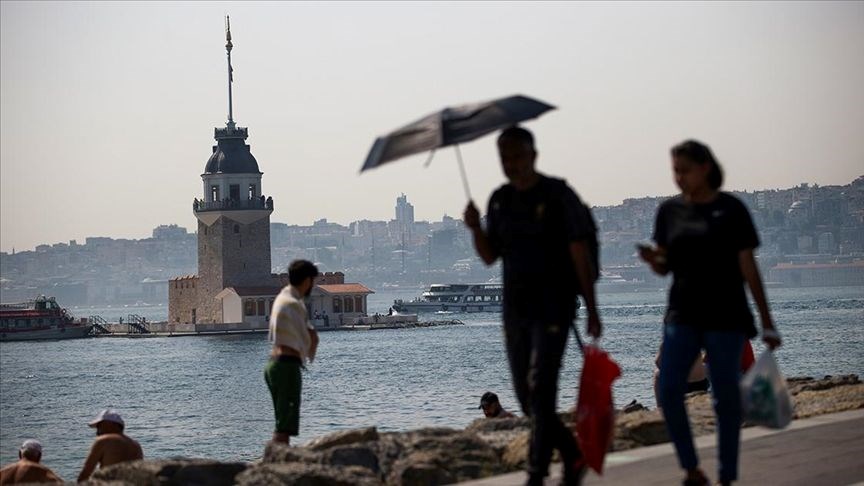
On the ground, many Istanbul locals have taken to the sea to cope with the muggy weather. Aşkın Yener, a regular swimmer at Kuleli Beach, shared his frustration:
“This summer has been unusually hot. We planned our trip a week ago to escape the city heat. It’s much warmer than last year — even the sea doesn’t feel as cool anymore.”
Oğuzhan Gülen, another local resident from Üsküdar, echoed the sentiment:
“I’ve lived in Istanbul my whole life, and I haven’t experienced heat like this in the last 10–12 years. It’s not just the temperature — it’s the way it clings to you. It’s different.”
Adapting to a Changing Climate
Meteorologists and climate scientists have long warned that increasingly frequent temperature anomalies and humidity-driven discomfort are symptoms of a broader climate shift. Türkiye’s urban areas, especially densely populated cities like Istanbul, are particularly vulnerable to heat stress due to poor ventilation, building density, and insufficient green space.
As Istanbul heads into the final days of August, residents are encouraged to stay hydrated, limit sun exposure, and use fans or air conditioning during peak humidity hours. While no extreme heatwave looms for now, the persistent humidity remains a health and comfort challenge — a reminder of the increasingly complex nature of summer weather in Türkiye’s largest city.