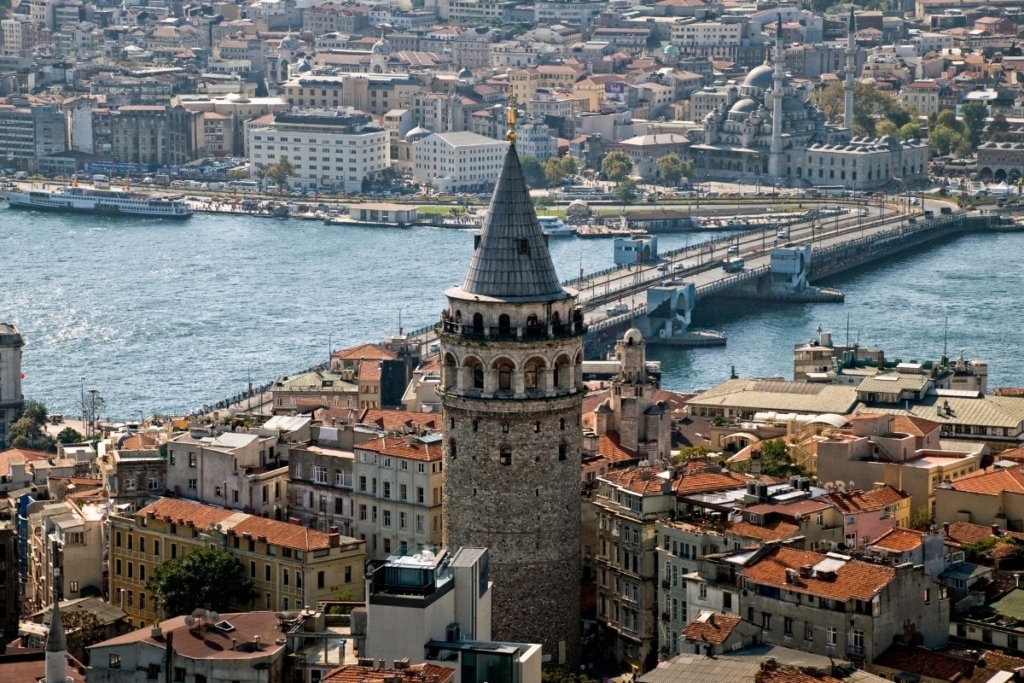

A new global housing report released by Deutsche Bank, encompassing 67 cities worldwide and 28 in Europe, reveals a dramatic reshuffling of the continent’s rental landscape. The most striking headline: Istanbul has experienced the highest rent increase in Europe between 2020 and 2025, with a staggering 206 percent surge in the average rent of centrally located three-bedroom apartments.
The findings mark a sharp shift in the European rental economy, where Southern and Eastern European cities—once considered affordable housing markets—are catching up to, and in some cases surpassing, traditionally expensive Western hubs.

Istanbul’s Surging Rents Reflect Broader Economic Shifts
With an average central rent of €1,614 per month, Istanbul may not be the most expensive city overall, but its rate of change outpaces every other European metro area. According to the report, Istanbul’s rent inflation is driven by a perfect storm of economic instability, currency devaluation, population growth, and an undersupplied rental market.
The city, which has long served as Türkiye’s financial, cultural, and logistical heart, is now grappling with severe housing pressure. Urban migration, limited new construction in central zones, and speculative investment in real estate have all contributed to skyrocketing prices.
Lisbon, Prague, and Edinburgh Also See Soaring Rents
Following Istanbul, the report identifies:
Lisbon, with an 81 percent increase,
Prague, at 73 percent,
Edinburgh, seeing 71 percent,
Barcelona and Madrid, where rents surged 65 percent and 59 percent, respectively.
These cities are experiencing strong demand, driven by a combination of post-pandemic tourism booms, digital nomad migration, and insufficient new housing supply.
Europe’s Most Expensive Cities Still Hold Their Titles
While Istanbul’s rental growth has been exponential, London remains the most expensive city for renters in raw numbers. A centrally located three-bedroom apartment in the British capital now commands an average monthly rent of €5,088.
Other high-ranking cities include:
Zurich
Geneva
Amsterdam
Each has average monthly rents exceeding €3,800. Additionally, Dublin, Luxembourg, Paris, Copenhagen, and Munich report average rents above €3,000, showing the entrenched position of Western and Central European cities on the high-end rental spectrum.

The Other End of the Spectrum: Europe’s “Cheapest” Cities
On the more affordable side, Athens takes the top spot for Europe’s least expensive city for renters, with an average monthly rent of €1,080. Other relatively affordable options include:
Budapest: €1,225
Istanbul: €1,614
Warsaw: €1,881
Helsinki: €1,928
However, the Deutsche Bank report warns that this “affordability gap” is narrowing rapidly, especially in Southeastern and Eastern Europe.
Southern and Eastern Europe Losing Their Affordable Edge
Historically, cities in Southern and Eastern Europe were marketed as cost-effective options for both locals and international migrants. But that narrative is beginning to erode.
The Deutsche Bank report states, “Southern and Eastern Europe are rapidly losing their image as affordable housing markets. Structural demand is exceeding supply, and price growth is accelerating faster than incomes.”
This presents a significant policy challenge for governments across the region. Urban residents, particularly younger generations and low-to-middle-income households, are increasingly priced out of city centers, leading to longer commutes, reduced quality of life, and growing housing inequality.
Helsinki Sees the Smallest Rent Increase
Interestingly, while most European cities have experienced double-digit growth in rent, Helsinki saw the smallest increase during the five-year period. Though specific percentage figures weren’t detailed for the Finnish capital, its more modest growth indicates stronger housing regulation and controlled urban development, which may serve as a model for other cities.
Why Istanbul’s Surge Is Alarming Policymakers
The 206 percent increase in Istanbul isn’t just a statistic—it’s a reflection of deeper socioeconomic issues. The city has faced:
High inflation and currency volatility
Surging demand from internal migration and refugee influxes
Investor-driven housing speculation
Lack of affordable new construction in central areas
Experts warn that unless regulatory action and urban planning reforms are introduced, Istanbul’s housing crisis could worsen, threatening economic stability and quality of life for millions.
Implications for Real Estate and Policy Across Europe
This Deutsche Bank report serves as a wake-up call for policymakers, real estate developers, and renters alike. The rise in rent prices across such a broad range of cities underscores several key trends:
Affordability is no longer confined to geography.
Rent inflation is outpacing wage growth in many markets, especially in tech-driven cities.
Investment-focused real estate markets may need stronger controls to prevent speculative pricing.
Urban resilience will depend on long-term housing policy, including social housing, rent caps, and public transport integration.
Looking Ahead: What Can Be Done?
While the data paints a sobering picture, it also opens doors to solutions. Urban planning experts suggest:
Incentivizing affordable housing developments
Expanding mixed-use zoning laws to allow more residential units
Implementing rent control mechanisms, especially in markets like Istanbul, Lisbon, and Barcelona
Promoting alternative housing models, such as co-living or modular developments
Governments that take proactive steps now will likely be in a stronger position to prevent housing crises down the line.