
Türkiye’s automotive industry, long recognized as one of the country’s strongest export engines, is now entering a new chapter marked by local brand development, strategic collaborations, and calls for economic policy adjustments to sustain global competitiveness. At the center of this evolving landscape is a renewed focus on domestic production, supported by projects like Togg and a growing number of emerging small and medium-sized vehicle manufacturers.
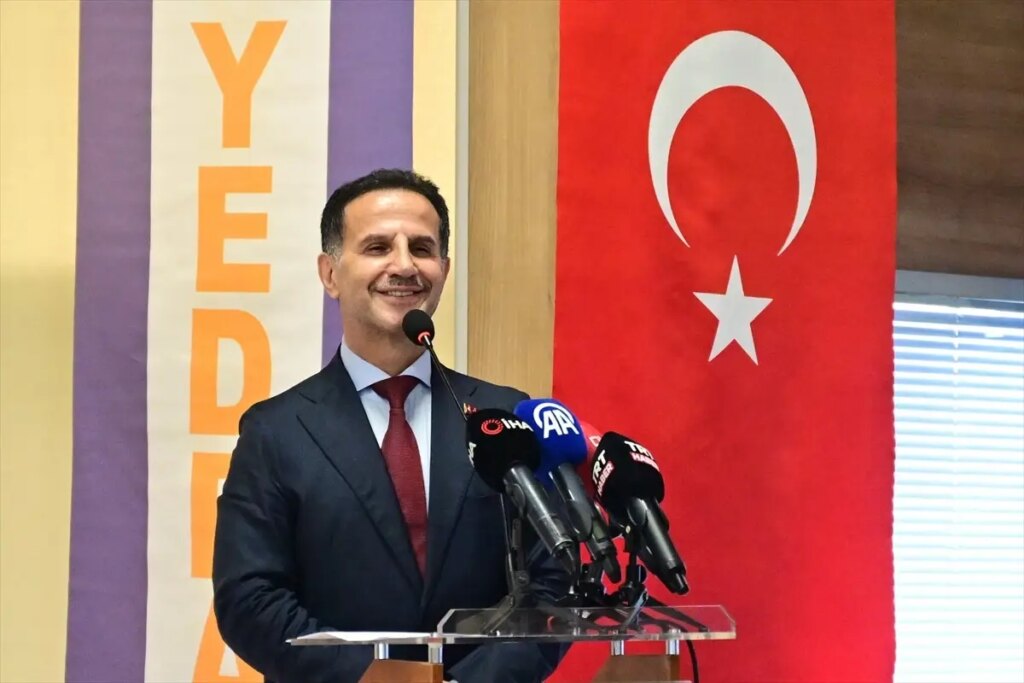
During a recent industry meeting held at Istanbul’s YEDPA Trade Center, key figures including Trade Minister Ömer Bolat, Istanbul Chamber of Commerce (İTO) President Şekib Avdagiç, and YEDPA Board Chairman Salih Sami Atılgan offered a forward-looking assessment of Türkiye’s automotive future—one built on innovation, value-added manufacturing, and resilient supply networks.
Strengthening the Roots: The Role of Supply and Component Industries
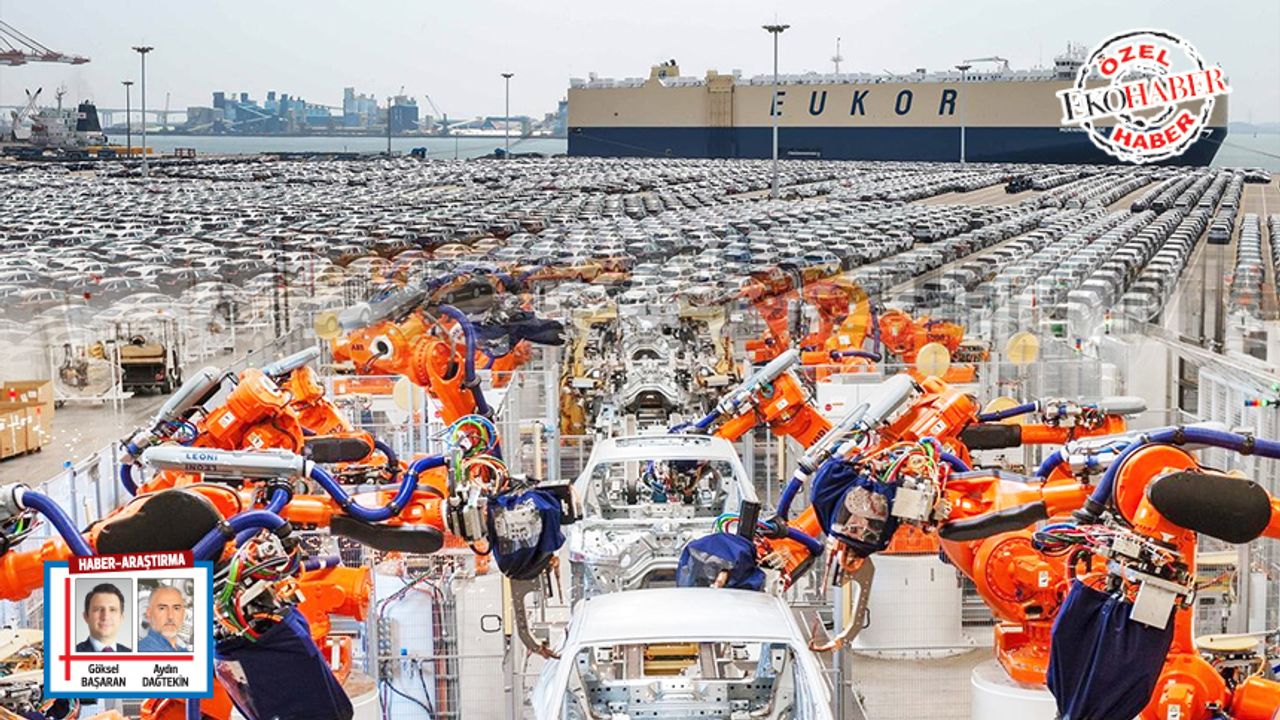
Avdagiç emphasized that the core of automotive exports is closely tied to the domestic component suppliers feeding the main industry. “A significant share of what is exported by Türkiye’s main automotive manufacturers consists of parts and systems produced locally,” he explained.
This deeply rooted integration of supply chains and manufacturing capabilities has made Türkiye a desirable location for global carmakers. The country currently hosts numerous foreign main-industry investments that have turned into valuable national assets over the years.
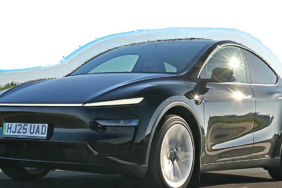
Yet, Avdagiç believes the arrival of Togg, Türkiye’s first homegrown electric vehicle brand, was a turning point. It not only catalyzed national pride but also encouraged the emergence of new domestic brands, especially in commercial vehicles and passenger cars.
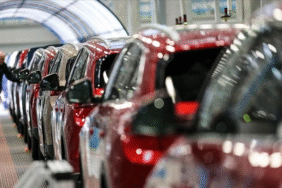
He pointed to Balıkesir, Eskişehir, and Çayırova as emerging hubs for these domestic ventures. Notably, HABAŞ is repurposing the former Honda factory in Çayırova, suggesting a robust return to localized automotive production.
Togg’s Impact and the Rise of Local Competitors
While still developing its infrastructure and market share, Togg has already made a symbolic impact. Its presence has injected momentum into Türkiye’s automotive ecosystem, encouraging entrepreneurs and industrialists to consider local manufacturing not just as a possibility but as a national imperative.
Avdagiç predicts that in the near future, Togg will be joined by other Turkish car brands, further diversifying the industry. These efforts are expected to strengthen Türkiye’s industrial muscle, reduce import dependency, and help position the country as a competitive automotive manufacturing center on a global scale.
The Role of YEDPA in Building Automotive SMEs
As Türkiye’s largest trade complex focused on automotive components, YEDPA is not only a commercial hub but also a launchpad for SMEs. Many companies that began at YEDPA have grown into industry leaders after leveraging its infrastructure and strategic location.
“YEDPA has played a critical role in helping firms strengthen their operational capabilities before scaling up,” Avdagiç noted, emphasizing that fostering such environments is crucial for the sustainability of local brands.
Export Powerhouse and Global Reach
Türkiye’s automotive industry has been the country’s top exporting sector for nearly 15 years, maintaining its lead in 2024 with $37.2 billion in exports.
İTO and YEDPA officials highlighted that while the main industry primarily targets the European Union, the component and supply industries now export to over 150 countries. This diversification has helped shield the sector from regional fluctuations and trade disruptions.
Challenges on the Road Ahead
Despite the positive outlook, industry leaders voiced serious concerns regarding Türkiye’s current economic conditions, particularly in relation to currency policy and access to financing.
YEDPA Chairman Salih Sami Atılgan warned that although the industry is undergoing one of the most transformative periods in its history—thanks to technological shifts and global climate policies—it remains highly sensitive to macroeconomic pressures.
Key concerns raised include:
Difficulty in accessing affordable financing for production and investment
Low exchange rates that lag behind inflation, undermining export competitiveness
Domestically inflated prices, which increase costs and reduce profit margins for exporters
“These issues, unless addressed swiftly, will dampen the competitive edge we’ve worked so hard to establish,” Atılgan stated.
Strategic Value and Future Outlook
The automotive industry in Türkiye is not just an export powerhouse, but also the largest consumer of raw materials, industrial components, and high-tech solutions across sectors.
Atılgan emphasized that this central role gives the sector a multiplier effect in stimulating related industries, such as metallurgy, electronics, logistics, and R&D. He also stressed the need for strategic and adaptable policies to ensure the sector continues to drive growth and employment.
Industry stakeholders are calling for a long-term industrial policy framework that supports innovation, reduces regulatory uncertainty, and ensures sustainable access to capital.
The Domestic Brand Renaissance
Although foreign investments remain vital to the industry, there is increasing emphasis on cultivating homegrown brands. Projects in provinces like Balıkesir, Eskişehir, and Kocaeli (Çayırova) are seen as trailblazers for a new model of industrial development that fuses local expertise with global ambitions.
These emerging ventures are not just building cars—they’re building national capacity in areas such as engineering, materials science, and energy efficiency. With support from institutions like the Istanbul Chamber of Commerce, and access to collaborative ecosystems such as YEDPA, the local brand movement could redefine Türkiye’s automotive identity in the coming decade.
A Broader Industrial Transformation
As Türkiye transitions toward a green and digital economy, the automotive sector is expected to play a central role. With global carmakers moving toward electric and autonomous vehicles, Türkiye must remain aligned with international trends while asserting its own manufacturing strengths.
Investments in battery production, software development, and sustainable supply chains are already underway. The sector’s ability to adapt quickly—demonstrated by the swift rise of Togg—provides confidence that Türkiye can continue to climb the value chain.
The Road Forward
Türkiye’s automotive industry stands at a critical intersection. With rising domestic brands, evolving global markets, and urgent economic reforms, the direction chosen today will determine the sector’s trajectory for years to come.
Policymakers are urged to create a financial and regulatory environment that nurtures innovation and rewards production. Industry leaders, meanwhile, must continue investing in technological capability, human capital, and global partnerships.
What remains clear is that Türkiye’s road to becoming a globally competitive automotive powerhouse is not a distant dream—it’s a journey already in motion.