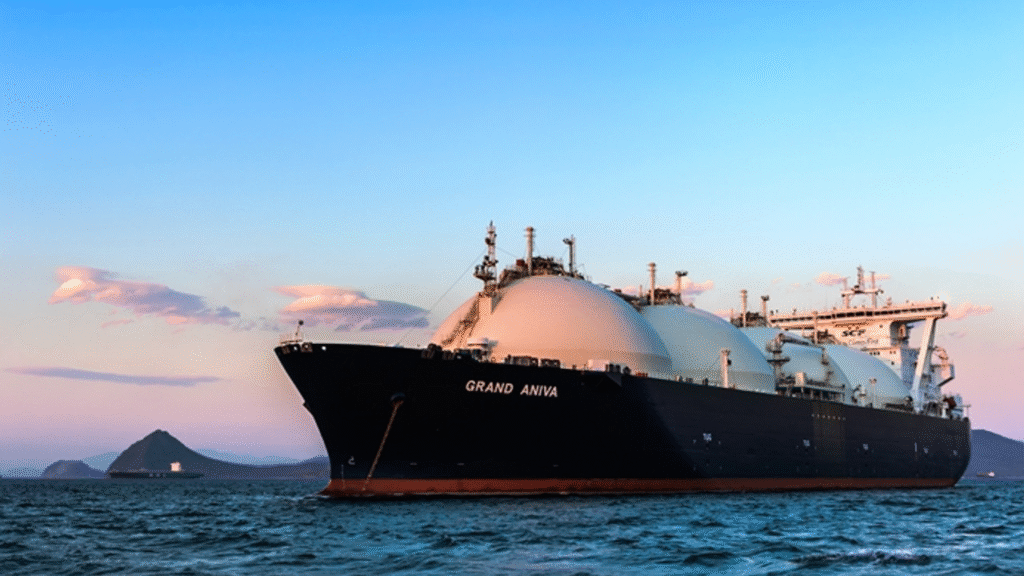

The dynamics of global energy trade are once again being reshaped as several liquefied natural gas (LNG) carriers linked to Russia’s Arctic LNG 2 project redirect their shipments toward Asia. Following intensified Western sanctions, tankers that had been idling for weeks have now set course eastward, raising questions about how effectively Moscow can find alternative buyers and sustain its ambitious export goals.
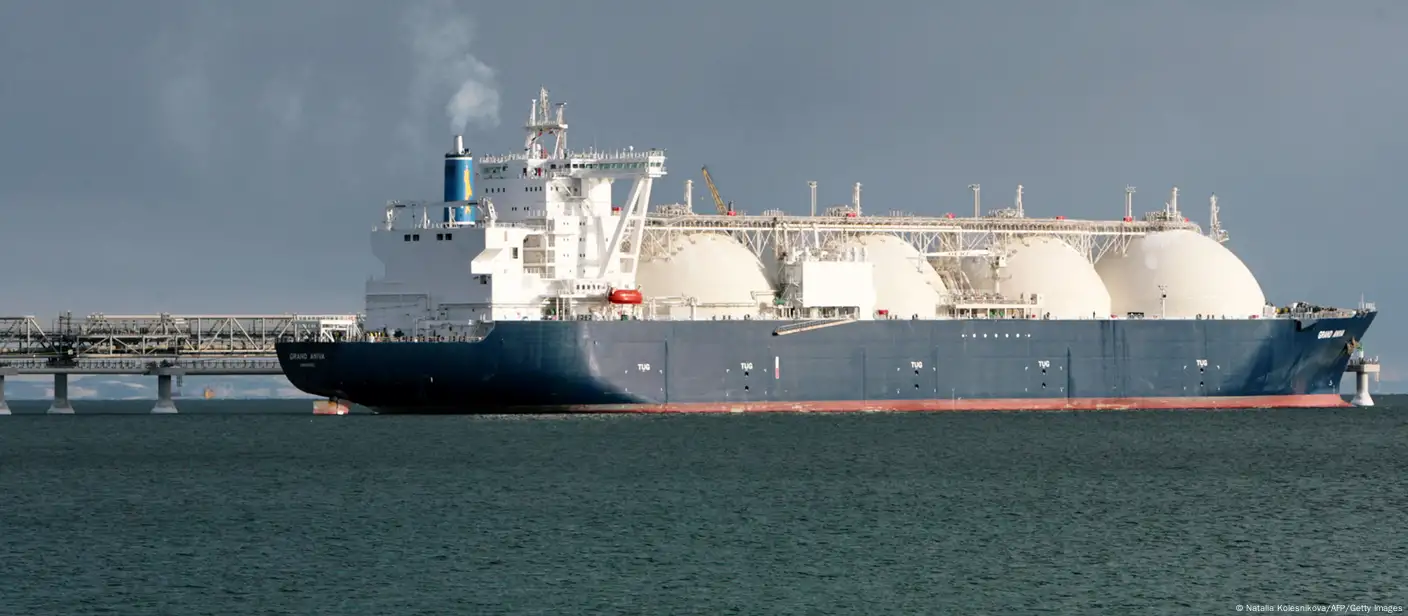
Tankers Depart via the Northern Sea Route
According to vessel-tracking data compiled by Bloomberg, two tankers named Iris and Voskhod departed on August 15 through the Northern Sea Route, setting their destination as Asian markets. Their movement follows similar departures last week, when two other LNG carriers linked to the same project also turned away from Europe and headed toward Asia.
The shift marks a significant development in Russia’s broader energy strategy, reflecting its ongoing struggle to reposition exports after losing most of its pipeline gas sales to Europe. By rerouting these Arctic LNG 2 cargoes, Moscow is testing the resilience of its new logistical networks in a global market still adapting to shifting geopolitical pressures.
Arctic LNG 2: A Cornerstone of Russia’s Energy Pivot
Arctic LNG 2, managed by Novatek PJSC, has been at the center of the Kremlin’s plan to expand LNG output as part of its pivot to Asia. Russia aims to triple its LNG exports by 2030, positioning the Arctic project as a flagship for diversifying energy flows away from traditional European markets.
The facility resumed loadings in June after a period of disruption, yet so far, none of the cargoes have been discharged at import terminals. This fuels doubts about whether Russia can secure consistent buyers in Asia given the complexity of sanctions, logistical hurdles, and the need for long-term contractual security in the LNG trade.
Sanctions and Political Context
The rerouting of cargoes coincides with delicate international negotiations. Washington is weighing additional sanctions on Russian energy, even as ceasefire talks continue amid the broader geopolitical crisis. U.S. President Donald Trump recently described his meeting with Russian President Vladimir Putin as “extremely productive,” though American officials have refrained from direct pressure on major Asian energy consumers such as China.
This balancing act highlights the complicated interplay between geopolitics and global energy demand. While Asian markets, particularly in China, India, and Southeast Asia, remain energy-hungry, engaging with sanctioned Russian projects carries reputational and financial risks for companies and governments alike.
The Rise of a “Shadow Fleet”
Observers note that four tankers associated with Arctic LNG 2 appear to be part of a growing “shadow fleet” of vessels used to circumvent sanctions and obscure trade flows. In some cases, ship ownership and management firms have been reshuffled multiple times to conceal connections, making it difficult to track ultimate beneficiaries or enforce compliance.
This mirrors strategies used in Russia’s oil trade, where a network of vessels with opaque ownership structures and non-Western insurers helps Moscow continue exports despite formal restrictions. The LNG sector, however, is more complex due to infrastructure requirements at both ends of the supply chain, from specialized loading terminals in the Arctic to regasification facilities in importing countries.
Market Uncertainty and Future Prospects
The key question is whether redirected Arctic LNG 2 cargoes will find reliable long-term buyers in Asia. While spot sales are possible, most LNG trade operates under long-term contracts that guarantee stable flows. Without such agreements, Russia risks shipping cargoes that remain unsold or are resold under unfavorable terms.
At the same time, the Northern Sea Route poses logistical challenges. Seasonal accessibility, insurance risks, and technical limitations restrict the number of months during which LNG cargoes can travel through Arctic waters. For Russia’s strategy to succeed, investments in ice-class carriers, supportive infrastructure, and cooperative agreements with importing nations are essential.
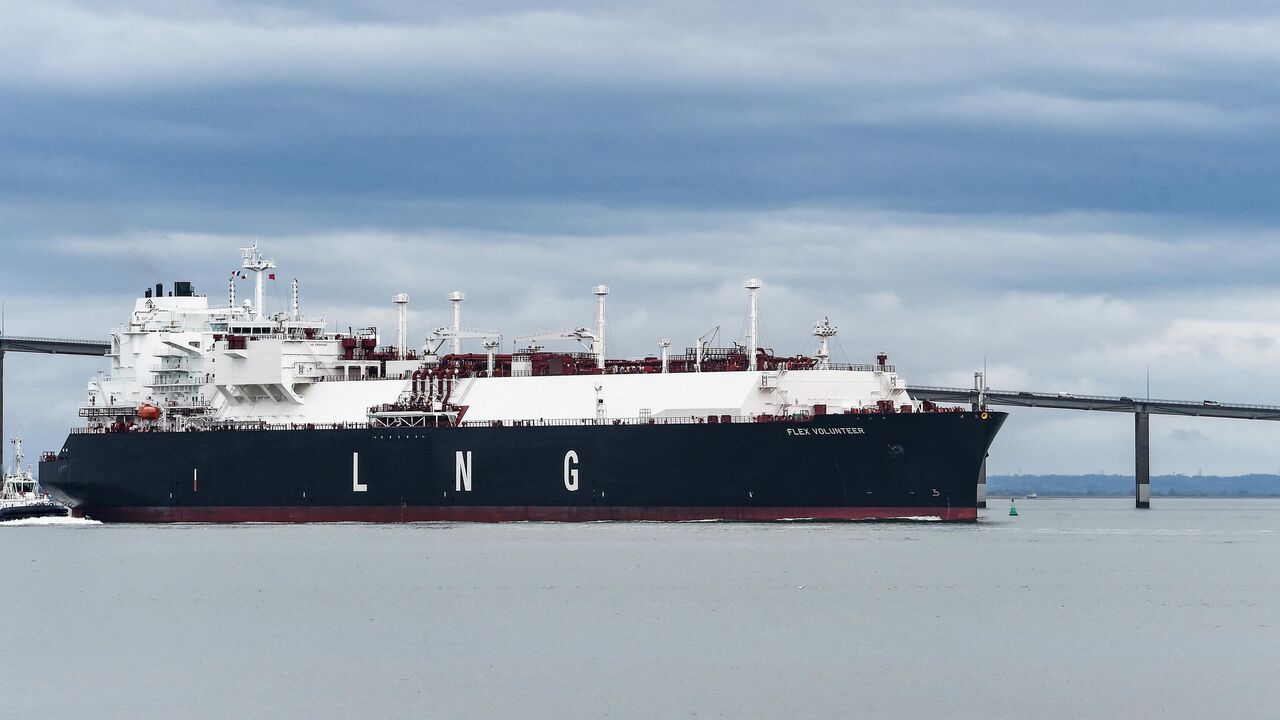
Global Implications
The redirection of Arctic LNG 2 shipments underscores the fragility of global energy markets in the face of geopolitical upheaval. Europe’s near-total abandonment of Russian pipeline gas has reshaped trade flows, forcing Moscow to pivot eastward. If successful, Russia could carve out a larger role in Asia’s energy mix, further linking its economy to China and other non-Western buyers.
However, if sanctions tighten and Asian governments hesitate to deepen their reliance on Russian LNG, Arctic LNG 2 may struggle to meet its ambitious targets. This could create ripple effects for global gas supply, potentially pushing up prices or intensifying competition among exporters like Qatar, Australia, and the United States.
A Critical Moment for Russia’s Energy Strategy
The voyages of Iris, Voskhod, and their sister tankers are more than just routine cargo movements. They symbolize the crossroads at which Russia’s energy sector stands: between resilience through adaptation and vulnerability under sanctions. The next months will be crucial in determining whether Moscow can secure new footholds in Asia or whether its flagship Arctic LNG 2 project will remain hobbled by isolation and uncertainty.