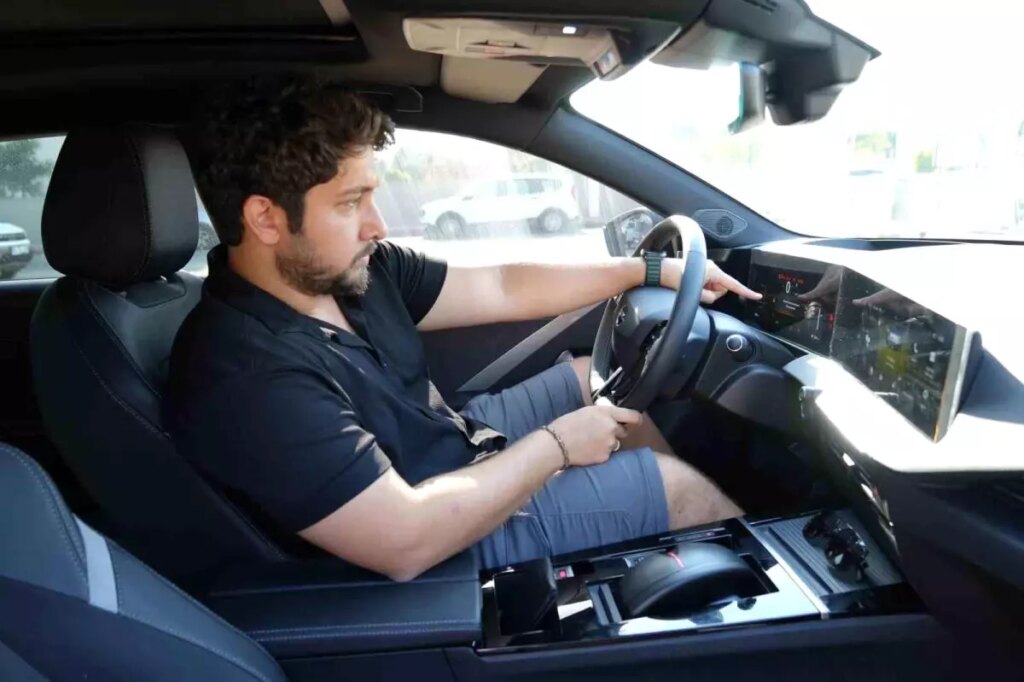

A consumer in Antalya has raised concerns over alleged faults in his brand-new electric Opel Astra, claiming that despite repeated attempts to seek a solution, his complaints have gone unresolved for three months. The case has sparked broader debates in Türkiye about consumer rights, brand accountability, and the responsibilities of major automakers in addressing vehicle safety issues.
A Purchase That Turned Into a Struggle
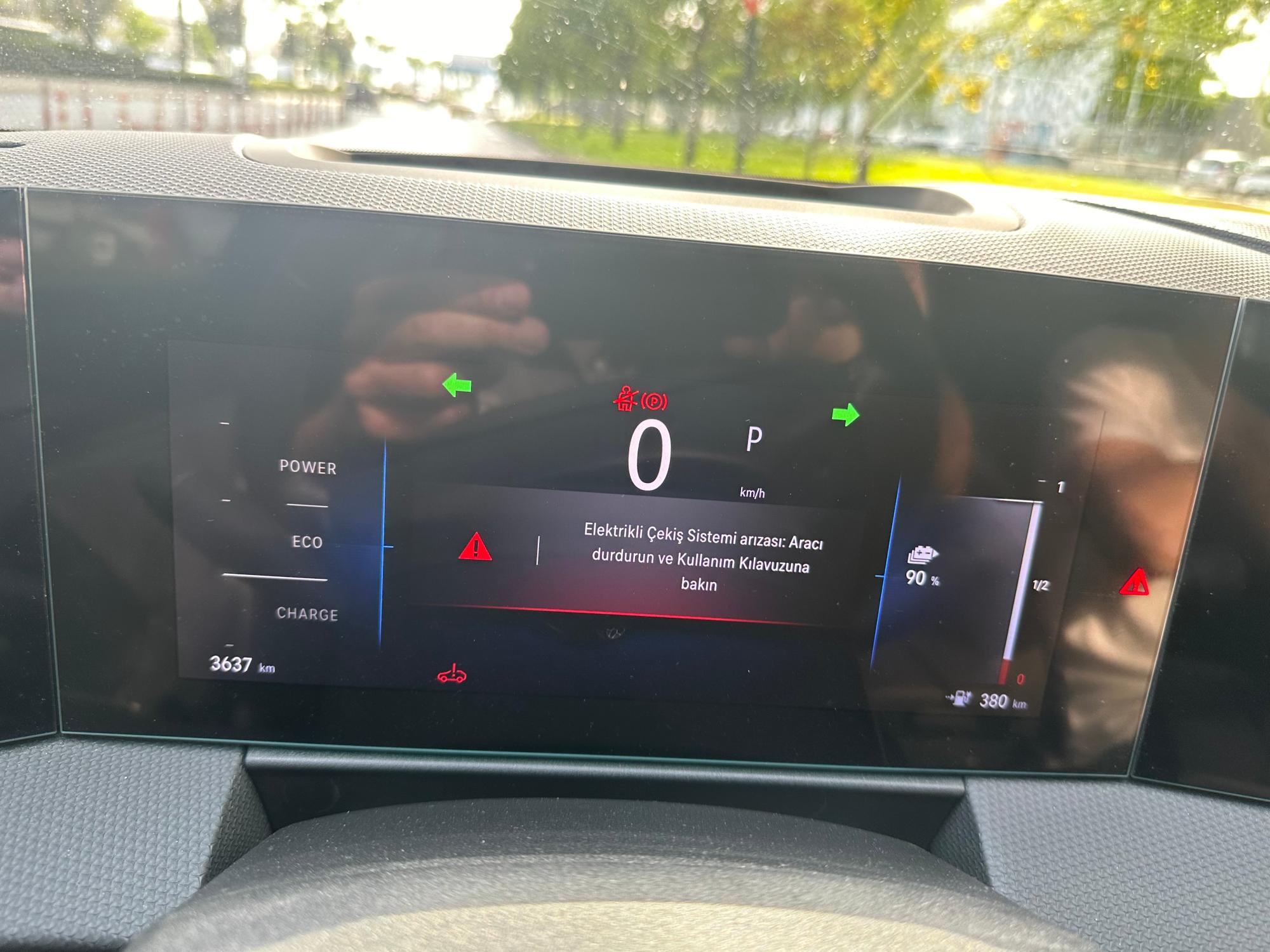
On May 20, Tevfik Yağcı, a digital marketing specialist, and his wife purchased a 2024 electric Opel Astra from a local dealership in Antalya. The couple, who financed 80 percent of the vehicle’s cost through a bank loan, initially expected the purchase to symbolize a fresh start in their new life. Instead, they say the car quickly presented multiple faults ranging from braking system errors to malfunctions in digital components.
Yağcı explained that the ordeal has stretched into its 90th day without resolution:
“The braking system is still faulty, and after 90 days there has been no solution. The warning lights for traction control and other critical systems continue to appear. Despite following the company’s request to deliver the car for testing, we still have no official report detailing the issues.”
The Role of Media Attention
Earlier this summer, Yağcı went public with his frustrations. His initial statements about the car’s condition and the lack of response from Opel circulated widely, gaining nearly five million views across news and social media platforms. Following this wave of public attention, Yağcı reported that the company finally reached out with proposals.
Still, the contact did not bring closure. “They promised reconciliation and said conditions would be outlined, but nothing was finalized,” Yağcı explained. “A representative even told us that because many employees are on summer leave, the procedures cannot move forward. Does this mean people should avoid buying cars in summer? It is absurd.”
Communication Breakdown With the Brand
Yağcı emphasized that one of the most frustrating aspects of the process has been the lack of clear communication. According to him, different dealerships gave conflicting information. At one point, he said he was told about a replacement part he had never approved.
The sense of being ignored grew so strong that Yağcı made a sharp comparison:
“In Türkiye, I can reach a public prosecutor within hours. I can file a complaint with the Competition Authority. But for 90 days I have not been able to get through to this brand. For such a major company to not only avoid admitting a mistake but also to attempt to cover it up is unacceptable.”
Allegations of Unsafe Defects
Among the most serious claims is the car’s alleged brake system failure. According to Yağcı, technicians informally acknowledged problems with the vehicle’s ABS and ESP systems, but no official documentation was provided.
“This is not a minor issue. The brake defect poses a direct risk to our lives,” he said. “We have been told verbally about ABS and ESP failures, but they refuse to provide a written report. They say they will repair the car only if we drop legal action. This is nothing but imposing conditions. If the deliberate sale of a faulty vehicle does not face legal consequences, more citizens will suffer the same fate.”
A Question of Consumer Rights
This dispute highlights larger issues regarding consumer rights in Türkiye. Under consumer protection laws, vehicles with persistent faults may qualify as “defective goods,” entitling the buyer to refunds, replacements, or repairs. However, the effectiveness of these protections often depends on how companies and dealerships respond.
Consumer advocates note that transparency and accountability are critical in such cases. Failure to provide diagnostic reports or conditioning repairs on the withdrawal of legal complaints undermines trust and may even constitute unlawful practices.

Public Trust in Electric Vehicles
The situation also raises questions about consumer confidence in electric vehicles. While Türkiye has seen rapid growth in EV adoption—accelerated by the launch of Togg and the expansion of charging infrastructure—cases of unresolved defects risk undermining the momentum.
Potential buyers may hesitate if stories of unresolved technical issues circulate widely without evidence of fair resolution. Automakers must therefore balance innovation with a strong commitment to post-sale service and safety assurance.
“Dealers and Brands Are Not Stronger Than Citizens”
Frustrated by months of delays and conflicting responses, Yağcı closed his statement with a call for accountability:
“No dealership or brand is stronger than the citizens. This is about safety and rights. If such problems go unpunished, companies will continue to act without responsibility. We will pursue this matter until justice is achieved.”
Editorial Perspective
This case resonates beyond a single consumer dispute. It underscores the critical importance of customer service and transparency in Türkiye’s evolving automotive market. As consumers invest heavily in electric vehicles, often through long-term loans, they deserve clarity, accountability, and above all, safety.
For major automakers seeking to build long-term loyalty, a failure to resolve such disputes risks far more than reputational damage—it risks eroding the public’s confidence in an entire industry.