

Türkiye has witnessed a notable decline in its registered foreign population in 2024, according to data compiled by the Turkish Statistical Institute (TÜİK). The latest figures from the Address-Based Population Registration System indicate that the number of foreign nationals residing in Türkiye dropped from 1,570,543 in 2023 to 1,480,547 in 2024 — a reduction of nearly 90,000 individuals.
This shift in migration trends is echoed across many provinces, though certain regions have diverged from the national pattern, showcasing localized growth or stabilization. With Istanbul, Ankara, and Antalya remaining key hubs for foreign residents, changing figures reveal broader socio-economic dynamics at play.
Istanbul Remains Top Destination, Despite Drop in Foreign Residents
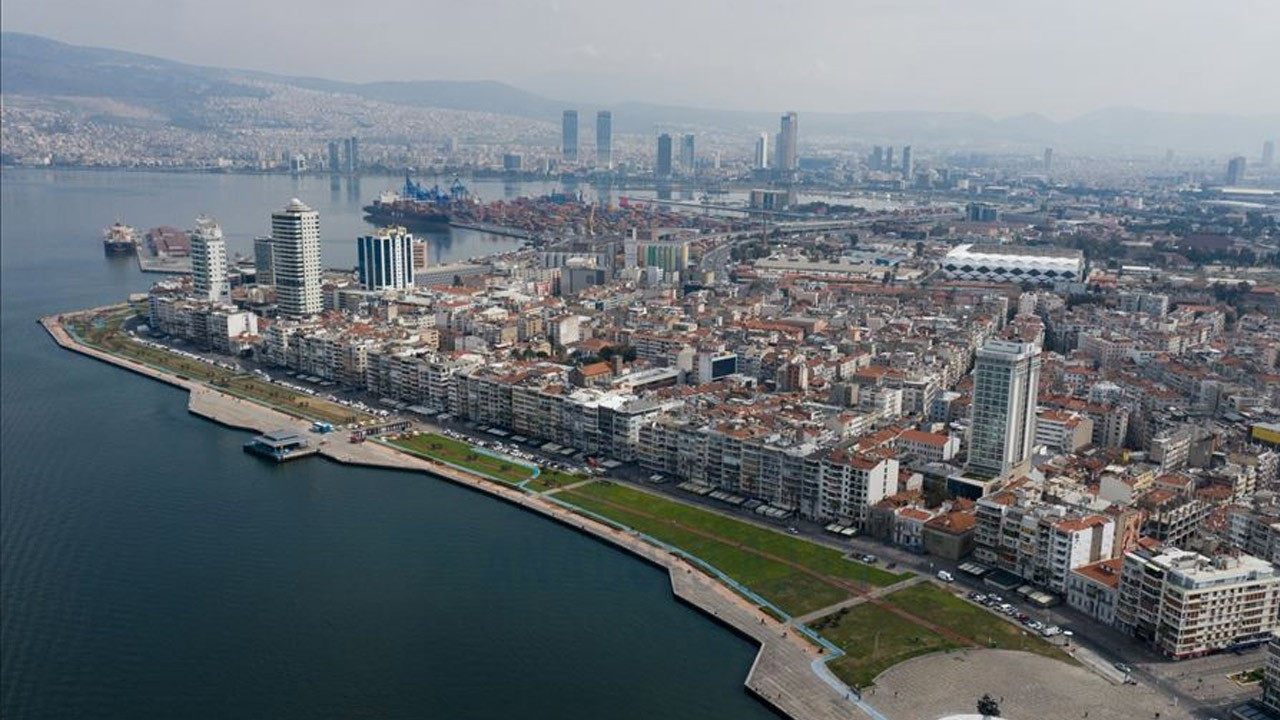
Istanbul continues to hold the highest number of foreign residents in Türkiye. However, the city experienced a drop from 599,118 in 2023 to 562,806 in 2024. This decline of over 36,000 people may reflect rising living costs, shifting migration policies, or foreign nationals opting for smaller cities or returning to their countries of origin.
Ankara also followed this trend, with its foreign population decreasing from 142,287 to 133,181 within a year. As the capital and a center of international diplomacy, Ankara traditionally attracts foreign students, embassy workers, and business professionals. The moderate decrease could be attributed to post-pandemic mobility adjustments or internal migration within Türkiye.
Izmir and Mersin Defy the Trend with Growth in Foreign Numbers
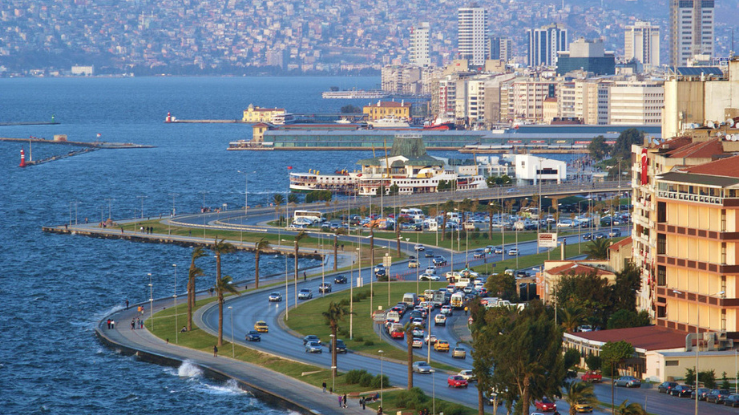
In contrast to the national pattern, Izmir, a major city on the Aegean coast, saw a rise in foreign residents, growing from 37,776 in 2023 to 39,551 in 2024. This increase of nearly 1,800 people positions Izmir as an emerging destination for international families and remote professionals, possibly drawn by the city’s livability, climate, and proximity to global shipping routes.
Similarly, Mersin, a Mediterranean hub with strong trade and diaspora links, grew from 49,845 to 52,813. Mersin’s accessibility, affordability, and expanding business ecosystem may be contributing to its attractiveness among migrants, especially from neighboring regions.
Antalya and Bursa Record Significant Losses
Long known for its expatriate communities and seasonal population booms, Antalya saw its foreign resident count decline from 132,157 to 120,103. Though still a top destination for tourists and retirees, the decreasing number of long-term foreign residents may reflect challenges related to housing, visa regulations, or economic uncertainty.
In Bursa, another industrial powerhouse, foreign population shrank from 59,284 to 57,256. Despite being a magnet for labor migration due to its manufacturing sectors, recent shifts in employment or living preferences could explain the drop.
Widespread Decreases in Anatolian and Central Cities
A majority of Anatolian provinces reported declines in foreign residents, particularly in cities traditionally dependent on educational or industrial migration. Notable decreases were observed in:
Afyonkarahisar: from 11,270 to 9,063
Bolu: from 9,694 to 8,760
Eskişehir: from 25,001 to 24,180
Konya: from 28,025 to 26,713
Kütahya: from 11,816 to 10,250
Samsun: from 20,599 to 17,695
This collective trend signals a broader restructuring of Türkiye’s internal migration dynamics, with potential connections to economic shifts, rising housing costs, and policy revisions affecting residency permits and work opportunities.
Unexpected Growth in Select Provinces
Despite the general decrease, several cities experienced slight but meaningful growth in foreign population. Among them:
Edirne: from 7,675 to 7,969
Gümüşhane: from 2,717 to 2,962
Hatay: from 4,968 to 5,451
Rize: from 1,539 to 1,615
Şırnak: from 994 to 1,074
These increases may be influenced by border proximity, new employment opportunities, or temporary humanitarian placements. While these figures remain relatively small in absolute terms, they suggest nuanced regional shifts that warrant further investigation.
Gender Distribution Reflects Broader Migration Trends
According to TÜİK data, the foreign population remains relatively balanced in terms of gender but saw a general decline on both fronts:
Male foreign residents decreased from 762,672 to 715,689
Female foreign residents decreased from 807,871 to 764,858
The consistent drop across genders supports the notion that external factors — such as post-pandemic relocations, global mobility slowdowns, or policy tightening — are affecting the entire migrant population, regardless of demographic category.
What the Numbers Suggest About Türkiye’s Migration Policy Landscape
The 2024 figures may serve as a reflection of Türkiye’s evolving migration management policies and shifting regional appeal. Declines in previously popular hubs like Istanbul and Antalya may be partially attributed to new regulations, increased scrutiny of visa extensions, or economic adjustments that affect affordability and accessibility for foreigners.
Conversely, the modest growth in cities like Mersin and Izmir shows that urban quality of life, infrastructure development, and local governance can positively influence migration flows.
For policymakers, these numbers provide a roadmap to better allocate public services, urban planning resources, and social integration programs tailored to local migration realities.
Long-Term Outlook for Türkiye’s Foreign Population
While the overall decline might appear concerning at first glance, it also offers a moment for recalibration. Türkiye continues to be a key player in global mobility — a bridge between continents, cultures, and economies. Whether driven by conflict, education, work, or lifestyle, foreign nationals will likely remain an essential part of Türkiye’s societal fabric.
The shifting distributions suggest a more diversified pattern of settlement, which — if supported by thoughtful planning and inclusive frameworks — could enrich local communities and foster economic resilience across all regions.