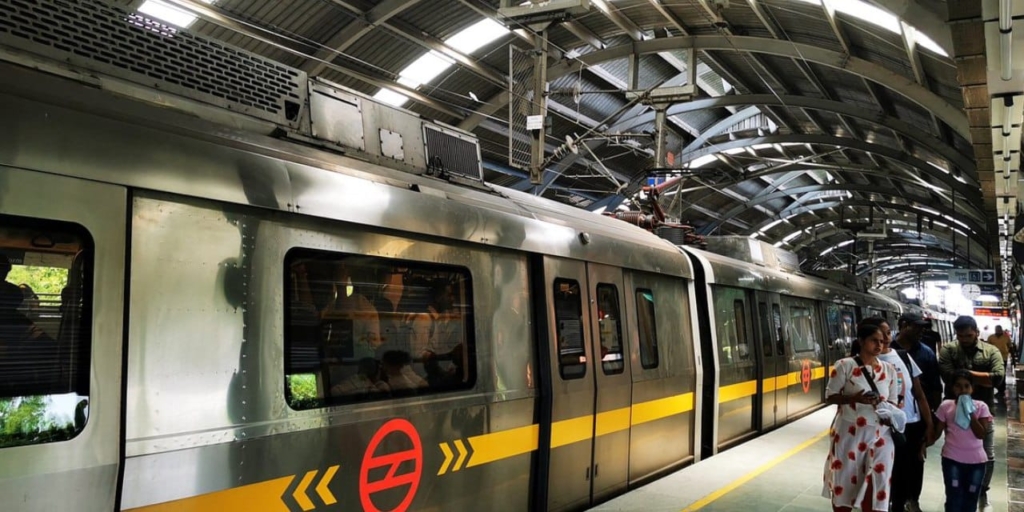

The diplomatic relationship between Turkey and India has entered a turbulent phase following Ankara’s strong support for Pakistan. This growing alignment between Turkey and Pakistan has led India to impose a series of economic sanctions targeting prominent Turkish companies. The consequences of these measures are already being felt, with Turkish businesses facing financial losses worth millions of dollars.
One of the most striking moves came when India cancelled a $25 million contract won by a Turkish technology firm to operate the metro ticketing systems in Bhopal and Indore. As a result, metro passengers in these cities have been forced to rely on outdated manual ticketing systems, causing delays and public frustration.

The Root of the Dispute
In recent years, Turkey has strengthened its cooperation with Pakistan in military, political, and economic spheres. This partnership intensified after a brief but intense conflict between India and Pakistan earlier this year. Turkey openly expressed its solidarity with Islamabad, a stance that angered New Delhi.
India accused Turkey of supplying military equipment and technical assistance to Pakistan, framing it as interference in regional security. In response, the Indian government adopted a series of punitive measures aimed at undermining Turkish commercial influence within its borders.
Turkish Companies Under Pressure
Several leading Turkish firms have been directly impacted by the sanctions. Turkish Airlines (THY), one of the most significant foreign carriers operating in India, has faced new restrictions on flight operations and tariffs. Other well-known brands such as Çelebi Aviation, Koton, Mavi, TRT, and additional Turkish enterprises have been placed under various trade and operational limitations.
The latest target of these measures has been AsisGuard, a Turkish technology company specializing in automated systems. The firm had secured a prestigious contract to provide Automatic Fare Collection (AFC) systems for India’s newest metro projects in Bhopal and Indore. The deal was worth approximately $25 million and symbolized growing Turkish involvement in India’s infrastructure modernization.
From Automation to Manual Ticketing
With the cancellation of the AsisGuard contract, India’s metro authorities reverted to manual ticketing methods. Commuters now face longer waiting times, less efficient service, and increased operational challenges. Critics argue that this decision represents a step backwards for a country that has been heavily investing in urban transport modernization.
Observers in India have also questioned whether political disputes should override public interest. By dismantling a functioning, high-tech system in favor of manual ticketing, India risks undermining its own goals of building “smart cities” and modern infrastructure.
Financial and Strategic Fallout
The cancellation of the $25 million contract is not just a commercial setback for AsisGuard but also a blow to Turkey’s broader economic presence in India. Turkish companies had been steadily carving out niches in aviation, retail, textiles, and technology. Now, many face shrinking opportunities, as India tightens restrictions.
For Turkey, the sanctions highlight the risks of aligning too closely with Pakistan at the expense of relations with India, the world’s most populous nation and one of the fastest-growing economies. Losing access to such a large market could have long-term repercussions for Turkish firms hoping to expand globally.
The Broader Geopolitical Context
The fallout is not limited to trade. India’s reaction underscores how sensitive the regional balance remains in South Asia. Relations between India and Pakistan have been fraught with tension since their independence, with disputes over Kashmir frequently reigniting conflict. Turkey’s vocal support for Pakistan is seen by New Delhi as tilting the balance against its interests.
Moreover, India’s measures against Turkey come at a time when Ankara is seeking to expand its global partnerships beyond Europe and the Middle East. Turkey’s proactive role in supporting Pakistan may strengthen ties with Islamabad, but it also risks isolating Ankara from other regional powers.
Voices of Concern in Both Countries
In Turkey, business circles have expressed concern that companies are being caught in the crossfire of geopolitical disputes. For firms like AsisGuard, which operate internationally, politics can abruptly derail long-term investments and partnerships.
Indian commentators, on the other hand, are divided. Some argue that New Delhi’s firm stance sends a message that interference in its regional affairs will not be tolerated. Others question whether punishing Turkish firms achieves strategic goals, particularly when such actions inconvenience Indian citizens who rely on metro services.

Public Impact of Manual Ticketing
The shift to manual ticketing has been especially symbolic. For decades, India has worked to modernize its urban infrastructure to meet the needs of its rapidly growing population. Automated metro systems were a sign of technological progress and global integration. The return to manual systems has been met with frustration among commuters, who face longer queues and inefficient service.
This change highlights the extent to which geopolitical disputes can directly impact daily life. What began as a diplomatic disagreement between two governments has trickled down to ordinary citizens navigating the metro in Bhopal and Indore.
What the Future May Hold
The trajectory of Turkey-India relations remains uncertain. If Ankara continues to align closely with Pakistan, New Delhi may escalate sanctions further, potentially impacting more sectors. On the other hand, diplomatic negotiations could de-escalate tensions if both sides recognize the economic costs of prolonged disputes.
For now, Turkish companies face the challenge of navigating an increasingly hostile business environment in India. The cancellation of major contracts like AsisGuard’s metro project serves as a warning to other firms considering entry into politically sensitive markets.
A Reflection on Trade and Diplomacy
This episode underscores how trade and diplomacy are deeply interconnected. Business ventures that may seem purely commercial can quickly become entangled in political rivalries. For Turkish firms, the experience in India is a reminder that international success depends not only on competitive bids but also on the shifting sands of global geopolitics.
As India and Turkey continue to navigate their roles on the world stage, their economic ties will remain vulnerable to diplomatic turbulence. The question for both sides is whether political alliances and rivalries should outweigh practical cooperation that benefits their citizens.