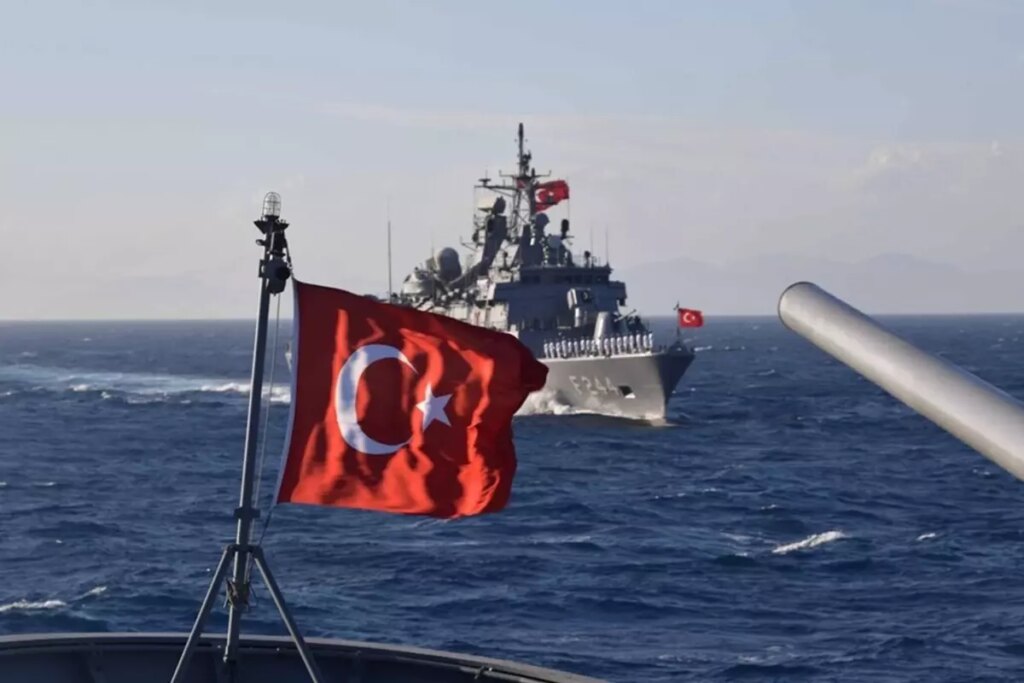

Türkiye’s renewed diplomatic and military efforts in Libya are reverberating throughout the Eastern Mediterranean, prompting media and political circles in neighboring Greece to voice serious concerns about the shifting power dynamics. Recent commentary from Greek outlets highlights how Ankara’s strategic outreach—particularly its direct contact with General Khalifa Haftar and the opening of a consulate in eastern Libya—marks a significant recalibration of Türkiye’s regional influence.
For years, the Libyan conflict has served as a proxy battleground for external powers vying for influence in North Africa. Türkiye’s latest moves suggest it is no longer content with passive involvement and is now actively reshaping the diplomatic map, challenging existing trilateral partnerships that exclude it, and establishing a more permanent footprint on the southern Mediterranean coast.
From Tripoli Ally to Dialogue with Haftar
One of the most dramatic developments noted by Greek analysts is Türkiye’s decision to initiate direct talks with General Khalifa Haftar, the leader of forces in eastern Libya and a longtime rival of the UN-recognized government in Tripoli, which Türkiye previously supported militarily.
This diplomatic breakthrough comes hand in hand with Türkiye’s opening of a new consulate in Haftar-controlled territory, signaling a willingness to engage all sides of Libya’s divided political landscape. Greek media described this as “a strategic turning point” that could influence power equations far beyond Libya’s borders.
By speaking directly with Haftar, Türkiye positions itself as the only foreign power capable of maintaining communication channels with both of Libya’s major factions, giving Ankara unparalleled influence in determining the country’s political future and, by extension, energy and security policies across the Mediterranean basin.
A Longstanding Relationship Rekindled
Türkiye’s relationship with Libya is deeply rooted in history. As one of the first countries to recognize Libya’s independence in 1951, and having supported the Tripoli government during the 2011 uprising, Türkiye has long been viewed as a reliable ally by certain segments of the Libyan political sphere.
Now, by extending its influence into eastern Libya and engaging former adversaries, Ankara is not only expanding its diplomatic reach but also reviving its historical ties in a modern strategic context. Greek reports note that this approach enhances Türkiye’s reputation as a resilient and adaptive power in North Africa.
Threats to Regional Triangular Alliances
The geopolitical consequences of Türkiye’s moves are already being felt in Athens, Nicosia, and Cairo, where traditional trilateral alliances such as Greece–Cyprus–Egypt and Greece–Cyprus–Israel are being tested. These formations were designed to counterbalance Türkiye’s growing assertiveness in maritime disputes and regional energy claims.
Now, Greek media warns that these partnerships may be losing their effectiveness as Türkiye establishes what one outlet referred to as “an advanced outpost in the south of the Mediterranean.” This metaphor illustrates Türkiye’s consolidation of power in Libya as a strategic asset, enabling it to exert pressure on neighboring states and project power across vital sea lanes.
Energy Politics and Maritime Control
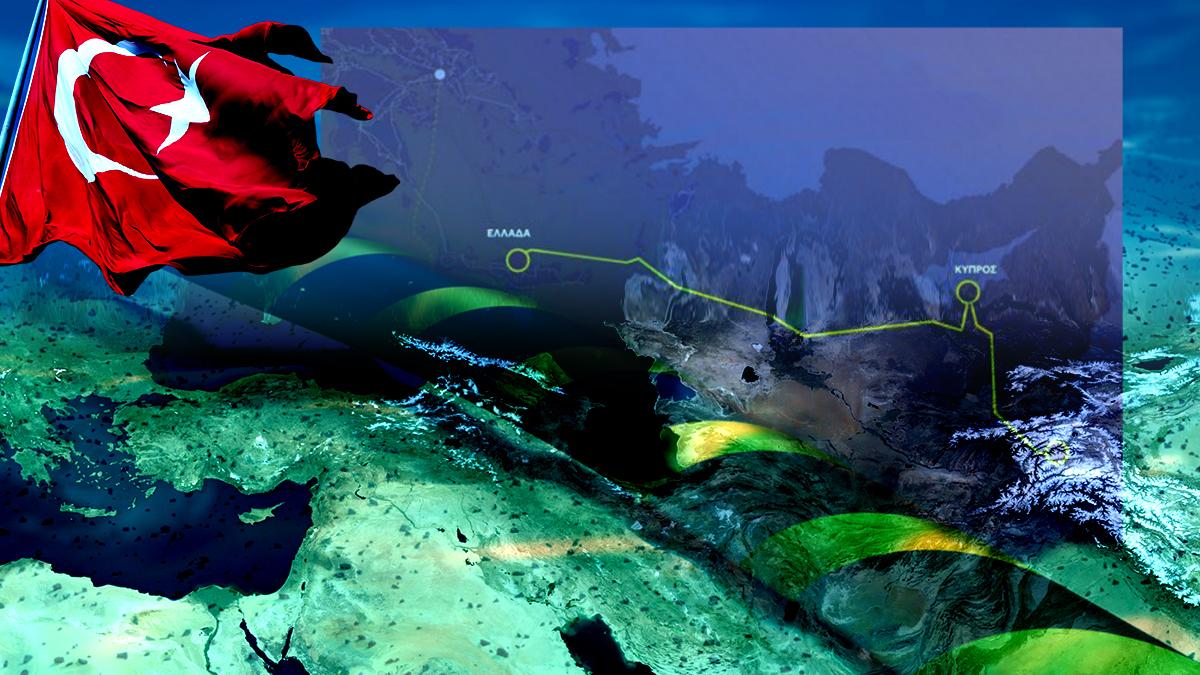
At the heart of this tension lies the issue of energy routes and maritime sovereignty. Türkiye’s presence in Libya strengthens its claim to large swaths of the Eastern Mediterranean, particularly in disputed waters rich in natural gas reserves. With control over strategic Libyan ports and new diplomatic inroads, Ankara gains leverage over energy transit corridors, potentially undermining rival projects such as the EastMed pipeline proposed by Greece, Cyprus, and Israel.
As Türkiye solidifies its influence along the African coast, its energy diplomacy becomes a force multiplier, giving it the capacity to reroute discussions over Exclusive Economic Zones (EEZs), pipeline paths, and regional partnerships.
US Diplomacy Signals a Policy Shift
In a development that further complicates regional balances, US Ambassador to Türkiye and Special Envoy for Syria, Thomas Barrack, recently emphasized that Türkiye’s interests will now play a larger role in Washington’s Middle East policy. This statement has raised concerns among Greek and Israeli policymakers who fear that Türkiye’s growing importance in US strategic thinking could diminish their own influence in key decisions affecting the region.
This subtle shift in American tone may also reflect a growing recognition of Türkiye’s strategic indispensability, given its NATO membership, geographical position, and expanding diplomatic reach.
Greek Anxiety Escalates
Greek media commentary reflects an escalating sense of concern over Türkiye’s trajectory. A striking opinion piece in Banking News even went so far as to claim that Türkiye’s consolidation in Libya might “erase Greece from the map” in terms of regional relevance. While this language is clearly hyperbolic, it underscores the level of alarm felt in Athens.
The idea is not that Greece would physically disappear, but that its strategic influence could be marginalized if Türkiye succeeds in turning Libya into a long-term political and military ally—especially one located across the Mediterranean, opposite Greek territory.
Türkiye’s Long-Term Strategy in Action
From a broader perspective, Türkiye’s Libya campaign is part of a cohesive and long-term foreign policy vision. By combining military cooperation, humanitarian assistance, and diplomatic overtures, Türkiye is not only rebuilding Libya’s infrastructure but also inserting itself into every aspect of its reconstruction process.
This multi-dimensional involvement—ranging from defense contracts to energy exploration—allows Türkiye to embed itself within Libya’s future in a way few other countries can.
Regional Implications and Realignments
If Türkiye succeeds in forging durable ties with both Tripoli and Benghazi, it could force a realignment of the entire Eastern Mediterranean order. Countries that previously dismissed Türkiye’s influence as unilateral or aggressive may now need to reengage diplomatically, or risk being sidelined in regional security and energy discussions.
In response, Greece and its allies may seek to strengthen ties with France, the UAE, or the European Union, while also pursuing legal avenues in international forums to challenge Türkiye’s maritime claims. However, with each passing month, Türkiye’s position becomes more entrenched, and countermeasures more complex.
Ankara’s Vision for the Mediterranean Future
Ultimately, Türkiye’s actions in Libya reveal a broader vision for Mediterranean leadership. Rather than rely on old alliances or await approval from global powers, Ankara is pursuing a proactive, independent foreign policy, centered on economic leverage, military readiness, and regional dialogue.
This strategy may not win unanimous praise, but it has already yielded results—repositioning Türkiye not as a peripheral player, but as a central architect of future Mediterranean dynamics.
As one Greek analyst put it: “Türkiye is not just expanding influence—it’s redrawing the map.”