
A project that once belonged only in the realm of post-apocalyptic films or Cold War thrillers is now becoming a reality in Türkiye. According to information shared by journalist Zafer Şahin, the Turkish government has initiated plans to build modern emergency shelters in all 81 provinces, in response to growing concerns over natural disasters, potential warfare, and nuclear threats.
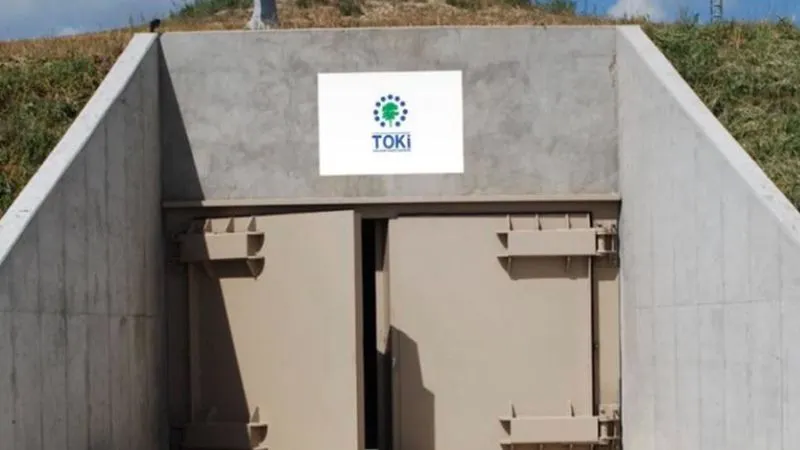
The shelters, which will be designed not only as crisis-time refuges but also as long-term strategic assets, are set to be developed under the supervision of TOKİ (Housing Development Administration of Türkiye), the country’s leading public institution for mass housing and infrastructure projects.
Emergency Shelters Enter the National Agenda
Once regarded as the stuff of fiction or Cold War history, the concept of civil defense bunkers has rapidly returned to the global agenda. In an age marked by geopolitical instability, unpredictable disasters, and growing technological threats, Türkiye’s decision to construct a nationwide shelter network is being seen as a forward-thinking and proactive move.
Sources suggest that the shelters will serve a dual purpose:
Emergency protection during military conflicts, earthquakes, or nuclear incidents
Reinforcement of Türkiye’s internal security and crisis management infrastructure
A Strategic Move in Uncertain Times
This initiative is not happening in a vacuum. Türkiye, like many countries situated in geopolitically sensitive regions, has seen a rise in national security concerns—from regional conflicts to potential missile threats and the increasing frequency of natural disasters such as earthquakes and wildfires.
In this context, a nationally integrated shelter system is not only a protective measure but also a symbol of state readiness.
While Türkiye has long had regulations requiring shelters in certain buildings, this new effort would mark the first time a centrally coordinated, modernized, and purpose-built shelter network is rolled out across every province, from İstanbul to Van, Edirne to Hakkâri.
TOKİ to Lead Construction Efforts
TOKİ, which has decades of experience developing mass housing projects, urban transformation zones, and disaster-resilient architecture, is reportedly taking the lead in the planning and execution of this large-scale initiative.
Known for its work in post-earthquake reconstruction and social housing, TOKİ’s involvement suggests that the shelters will be:
Structurally robust and earthquake-resistant
Integrated into existing urban planning models
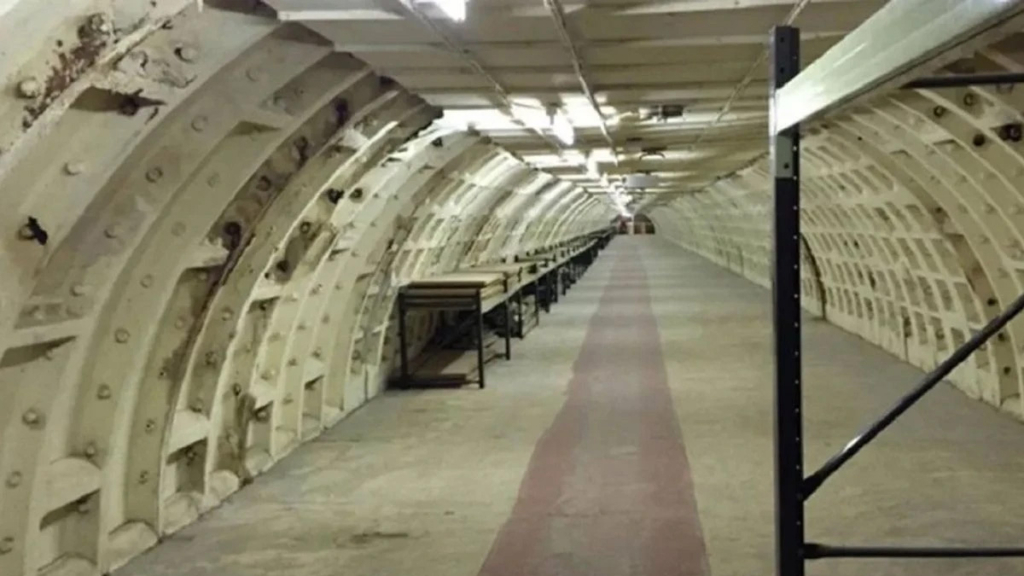
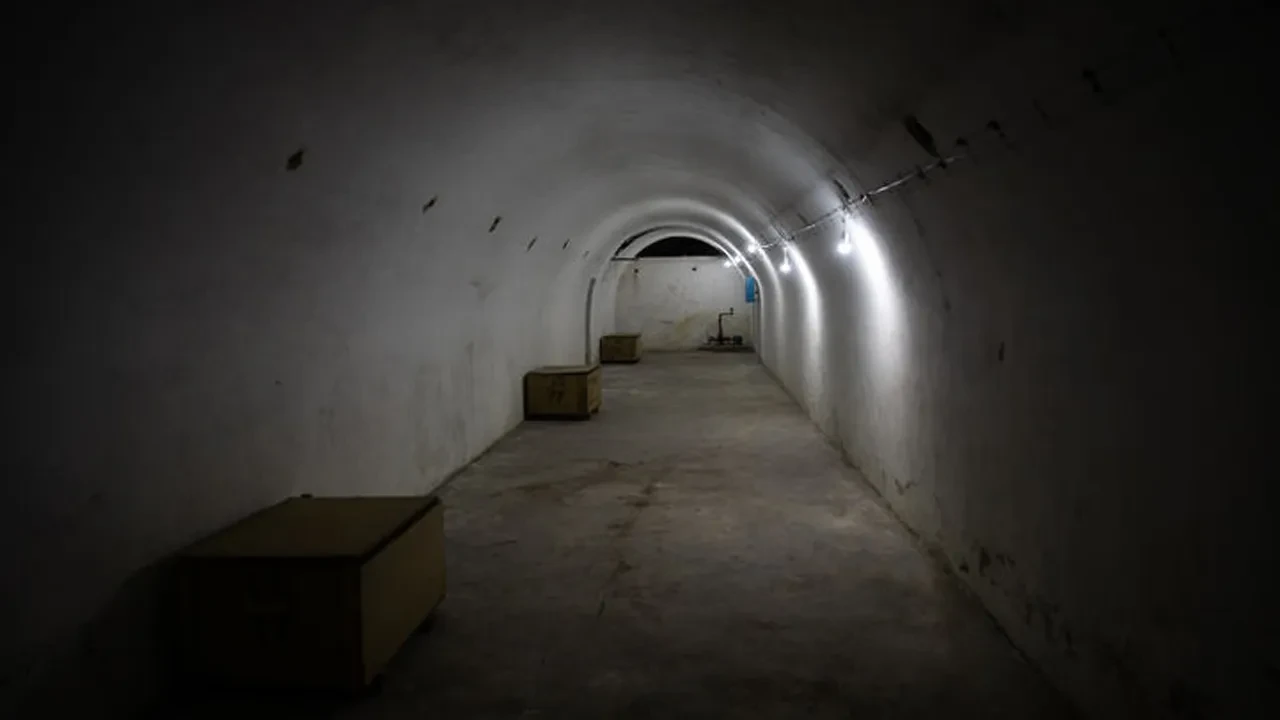
Possibly underground or semi-buried structures, equipped for both short-term emergencies and longer-term stays if needed
While full architectural details and timelines have yet to be released, initial speculation indicates that shelters could be linked to residential complexes, strategic public buildings, or even developed as standalone municipal facilities.
Public Curiosity and Reactions
News of the project has sparked widespread interest and debate on social media and in public discourse. Many citizens have welcomed the plan as a necessary precaution in a time of global uncertainty. Others have raised questions about:
Shelter access criteria: Who would be allowed in during a crisis?
Construction standards: Will the shelters be genuinely protective against nuclear or biological threats?
Maintenance and sustainability: How will the facilities be kept operational and updated?
Still, the majority of public sentiment appears to be supportive, especially in light of Türkiye’s history of earthquakes and regional tensions.
A Broader Trend Toward Civil Defense
Türkiye is not alone in revisiting the idea of civil shelters. Across the world, countries like Finland, Switzerland, and South Korea have long maintained robust shelter systems for their populations. In recent years, other nations have followed suit, launching emergency preparedness campaigns, crisis apps, and shelter maps.
By joining this trend, Türkiye signals its intent to prioritize civilian safety, even in worst-case scenarios, while reinforcing its reputation as a state capable of proactive governance.
Potential Features of the Shelters
While detailed blueprints are still under wraps, experts and insiders suggest that the shelters may include:
Ventilation systems for smoke, gas, and radiation
Food and water reserves for extended stays
Communication infrastructure to stay connected with emergency services
Medical supplies and basic sanitary setups
Separate zones for families and individuals, maintaining privacy and order
Given TOKİ’s involvement, there’s also the possibility that some shelters may be multi-functional, doubling as community centers or emergency coordination points during peacetime.
National Resilience in the Making
Türkiye’s geographic position—surrounded by seismic fault lines and near active conflict zones—has always necessitated a strong civil defense framework. However, the COVID-19 pandemic, wildfires, floods, and ongoing global tensions have reframed the urgency of such infrastructure.
By creating a comprehensive, state-backed shelter network, Türkiye is aiming to build national resilience, not just physical protection.
The shelters could also play a role in future training exercises, disaster drills, and education campaigns aimed at increasing public awareness about emergency response protocols.
Timeline and Implementation
As of now, no official date has been set for the start of construction, but preliminary planning and site selection are believed to be underway. Government agencies are expected to:
Identify priority locations based on population density and risk factors
Coordinate with local municipalities and emergency services
Launch public information campaigns to explain the scope and use of the shelters
It is also expected that legislative backing or executive regulations will follow to support this initiative, ensuring it becomes a sustained national policy rather than a one-time project.
A Milestone in Türkiye’s Security Infrastructure
If fully implemented, this shelter network could become a cornerstone of Türkiye’s long-term disaster and defense planning, joining other strategic investments in energy, transportation, and healthcare.
As global risks evolve and societies face increasingly complex emergencies, Türkiye’s step toward a structured civil protection model may serve as a reference point for other nations, especially those in similarly volatile regions.