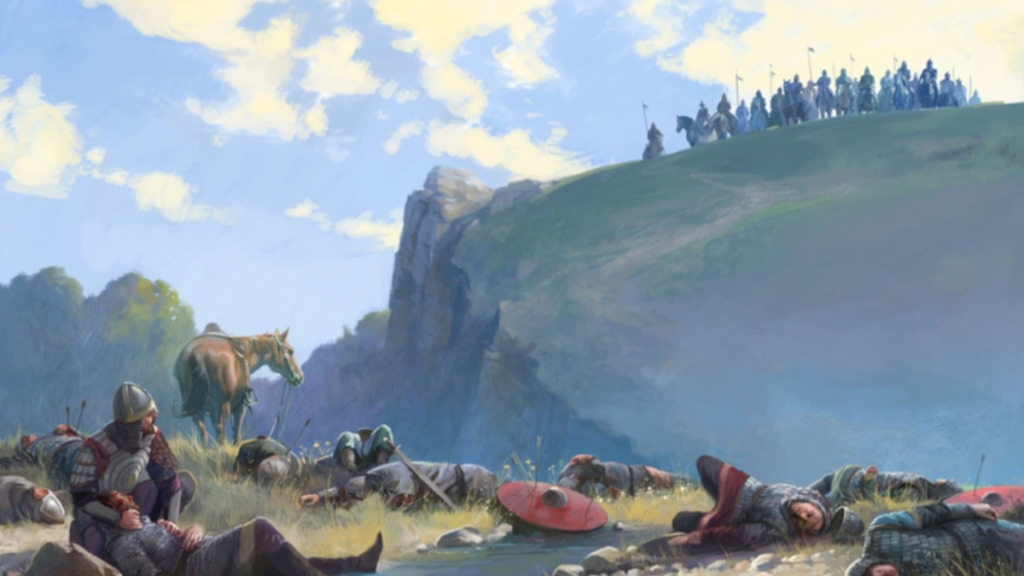

On August 26, 1071, the Battle of Malazgirt (Manzikert) unfolded on the plains of eastern Anatolia, leaving an indelible mark on both Eastern and Western history. It was a day when a relatively young ruler, Sultan Muhammed Alparslan, led the Seljuk Turks to a monumental victory against the Byzantine Empire—a victory that opened the gates of Anatolia to the Turks and shaped the trajectory of Islamic leadership for centuries.
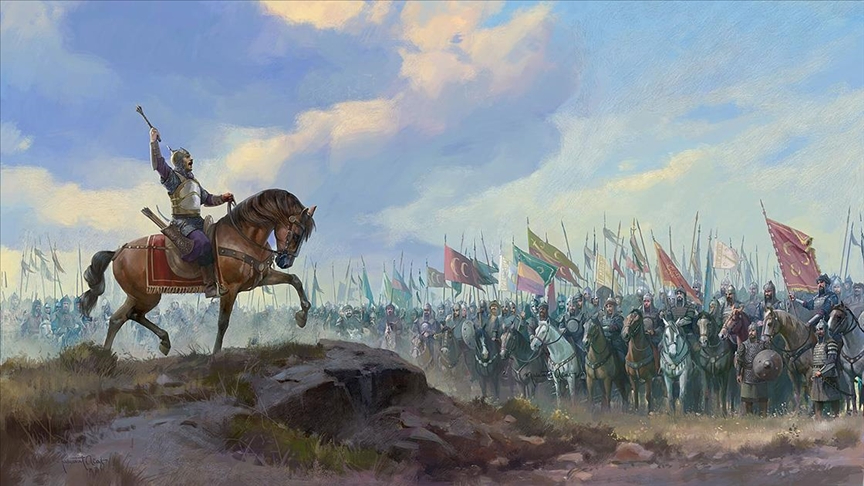
The Rise of Sultan Alparslan
Born to the last wife of the Horasan Emir Çağrı Bey, Alparslan ascended the throne on April 27, 1064, becoming the second ruler of the Great Seljuk Empire. From the beginning of his reign, Alparslan showcased a deep understanding of geopolitics and military strategy.
His early conquests included Kars and Ani, marking the Seljuks’ first territorial gains from Byzantium. When the Abbasid Caliph called for help against the Fatimids in 1070, Alparslan responded by mobilizing his forces toward Egypt—but a Byzantine counter-movement changed the course of history.
Byzantium’s Countermove and Alparslan’s Strategic Response
Alarmed by the Seljuk expansion, the Byzantine Empire, under Emperor Romanos IV Diogenes, launched a massive military expedition to halt Alparslan’s advance. Sensing the gravity of the moment, Alparslan changed course and returned to the heart of Anatolia. He established his camp at Malazgirt, a crucial strategic location.
Feigning an encampment at Rey, Alparslan lured the Byzantine army into unfamiliar and treacherous terrain. Once settled on the Malazgirt Plain, he devised one of history’s most brilliant military tactics—the “Turan” strategy, a form of tactical feigned retreat and encirclement.
26 August 1071: The Turning Point
On that Friday morning, Sultan Alparslan gathered his troops for prayer before leading them into battle. Against an enemy four times the size of his army, Alparslan remained resolute. The Seljuks implemented the Turan tactic masterfully, drawing the Byzantine forces into a trap.
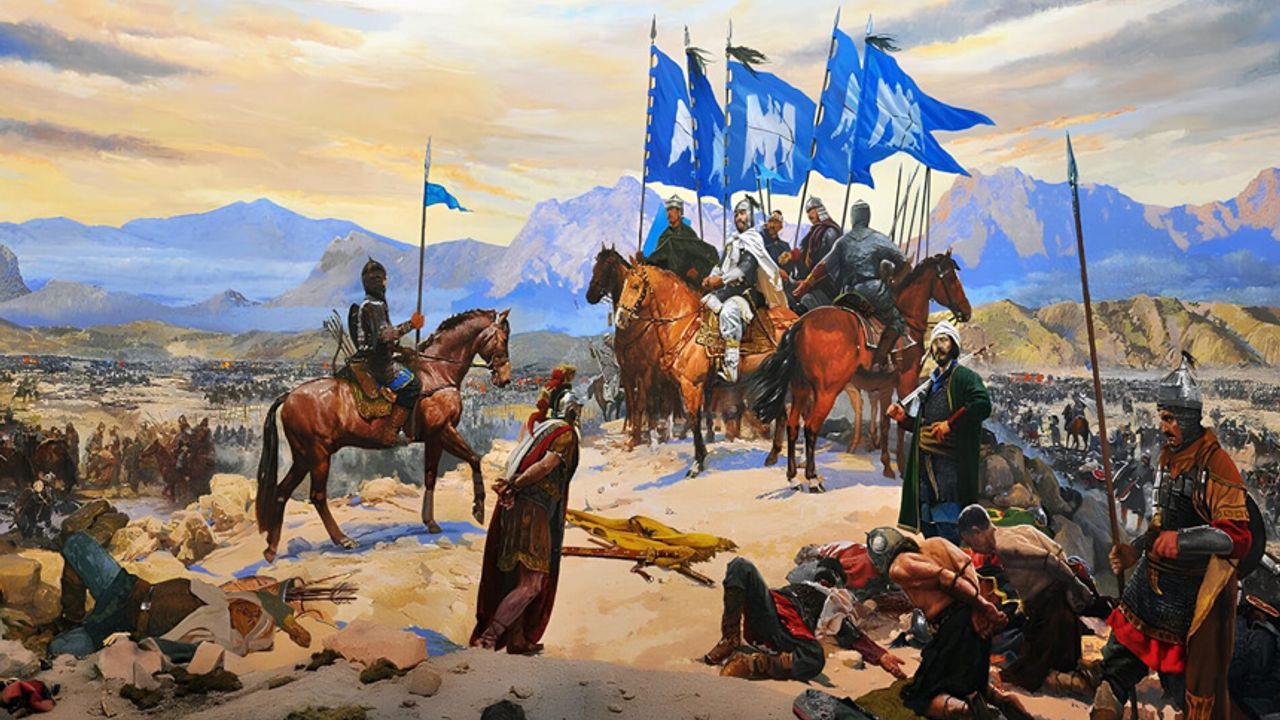
By sunset, the Byzantine army was decimated, and Emperor Diogenes himself was captured—marking the first time a Roman emperor was taken prisoner by a Muslim ruler. The magnitude of the victory stunned Europe and galvanized the Islamic world.
Opening the Gates of Anatolia
The Malazgirt Victory wasn’t merely a military success—it marked the beginning of Turkish settlement in Anatolia. The psychological blow to Byzantium was so severe that they never fully recovered. Within a decade, Muslim forces established dominion over large portions of the peninsula, including the foundation of a Seljuk state in Iznik (Nicaea).
Muş Alparslan University Rector Prof. Dr. Mustafa Alican emphasizes that this war dramatically altered historical trajectories. According to him, the Turkish victory positioned the Turks not only as a dominant force in Anatolia but also as leaders of the Islamic world, recognized by Muslim communities far and wide.
Aftershocks of a Shattered Empire
The defeat was deeply felt in Constantinople. The Byzantines never regained their former military might. Even more telling, by 1074, the new emperor Michael VII pleaded for assistance from the Pope, warning that if the Turks weren’t stopped, “they would conquer all Roman lands and end Christendom itself.”
These fears materialized in part through the Crusades, launched just decades later—yet another indirect consequence of the Seljuk triumph at Malazgirt.
Sultan Alparslan: The Man Behind the Victory
Prof. Dr. Alican paints a vivid portrait of Sultan Alparslan: a towering, majestic figure who wore his long beard tied back during archery so it wouldn’t hinder his aim. Despite his youth—just 39 years old during the battle—he led with wisdom, faith, and courage.
Tragically, just two years after Malazgirt, Alparslan was assassinated during a campaign in Turkistan, ending the life of a man who had forever changed the Islamic and Anatolian world.
A Battle That Reshaped East and West
Malazgirt’s consequences weren’t limited to the Middle East. It significantly weakened the Byzantine Empire, prompting Western Christendom to unite in religious and military cause. The battle set in motion the First Crusade, reshaped Eastern Orthodox-Catholic dynamics, and contributed to the long-term decline of Byzantine power.
As Prof. Dr. Alican notes, “This wasn’t just a Turkish or Islamic victory. It was a global moment that realigned civilizations.”
Modern Reflections on Unity and Purpose
Beyond the historical analysis, Malazgirt also offers timeless lessons for contemporary Türkiye. Alican underscores the value of unity and cooperation, suggesting that even a young state like the 30-year-old Seljuk Empire could defeat a 1000-year-old superpower through cohesion and determination.
Today, he argues, Türkiye must once again harness this spirit of unity—to overcome domestic challenges, resist external pressures, and build a stronger, more inclusive future.
Legacy of Malazgirt: A Lesson for Generations
The 954th anniversary of Malazgirt is more than a commemoration; it’s a reminder. It reminds Türkiye of:
The value of strategic leadership.
The strength that comes from unity.
The global consequences of local actions.
And the power of belief in a just cause.
Malazgirt is not just a page in history—it’s a milestone of identity for a nation that rose from nomadic roots to shape empires. As long as Anatolia echoes with the spirit of Alparslan and his warriors, the victory at Malazgirt will remain a beacon of courage, wisdom, and unity.