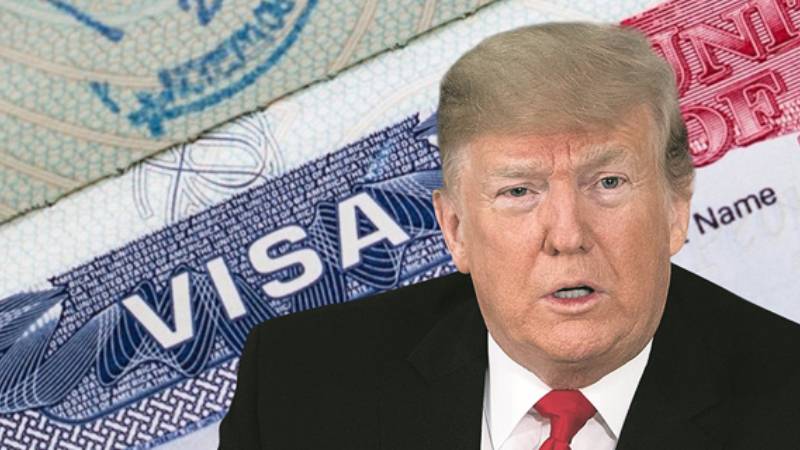

A controversial immigration policy proposal from the Donald Trump administration has re-entered the spotlight in the United States, sparking new debate over visa restrictions and foreign residency rights. The draft regulation, originally introduced in 2020, seeks to impose strict time limits on how long certain non-immigrant visa holders, including international students and cultural exchange participants, can remain in the country.
Recently, the U.S. Department of Homeland Security (DHS) released a public statement outlining the key elements of the renewed proposal. If enacted, the regulation would dramatically reshape how long international visitors can legally stay in the United States under specific visa categories.
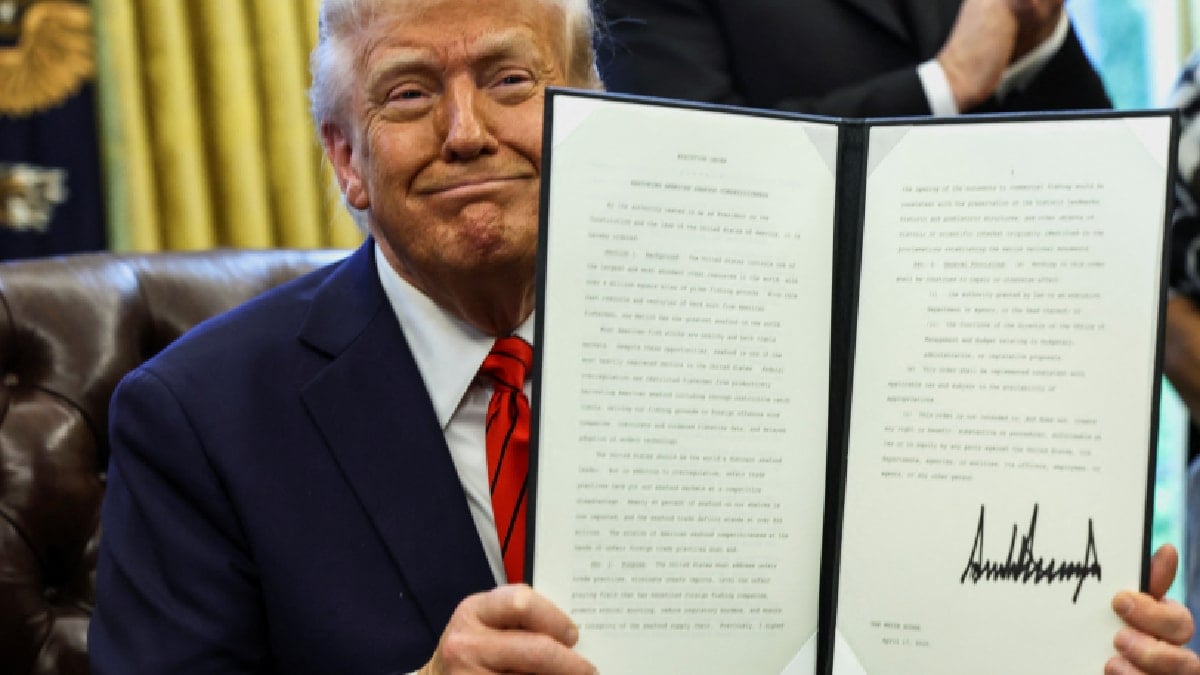
What the Proposal Entails
According to the DHS statement, the rule would cap the maximum stay for F (student) and J (cultural exchange) visa holders at four years. Additionally, foreign journalists on I visas would face a maximum stay of 240 days, significantly shorter than current standards.
“Previous administrations allowed certain visa holders to remain in the United States almost indefinitely,” the DHS stated. “This created security risks and placed U.S. citizens at a disadvantage.”
Proponents argue that this policy would eliminate abuse of the immigration system and reduce administrative burdens on the federal government. However, critics fear it would disrupt academic programs, reduce the appeal of U.S. universities, and damage America’s international reputation.
A Flashback to 2020 and Trump’s First Term
The draft rule was initially introduced in 2020 during Trump’s first presidential term. It was met with backlash from educational institutions, civil rights groups, and international student advocacy organizations. Following the change in administration, President Joe Biden withdrew the proposal in 2021, deeming it inconsistent with the values of academic openness and international collaboration.
Now, with Trump eyeing a potential return to the presidency, the policy is once again gaining traction among his supporters and political allies who advocate for stricter immigration control.
Impact on International Students
Under current visa regulations, international students are granted “duration of status” (D/S), allowing them to remain in the U.S. for the entire period of their academic program, plus optional practical training (OPT) and other extensions as needed. The proposed rule would replace this open-ended stay with a fixed limit, regardless of academic progress.
This shift could particularly affect students pursuing advanced degrees or those who require more than four years to complete their education due to research timelines, dual-degree programs, or part-time study due to work obligations.
International student groups warn that the rule could lead to visa overstays through no fault of the students and place them at risk of deportation, even if their academic commitments are still ongoing.
Concerns from U.S. Academic Institutions
U.S. universities have long relied on international students for both academic excellence and financial sustainability. International students contribute billions of dollars annually to the U.S. economy through tuition fees, housing, transportation, and local spending.
Universities across the country argue that limiting the stay of international students would make the U.S. less attractive compared to countries like Canada, the UK, or Australia, which offer more flexible visa conditions and post-graduation work opportunities.
“We compete for the best and brightest minds globally,” said one university dean. “Policies like this send a message that they’re not welcome here.”
Foreign Journalists Also Affected
The proposed rule would also apply to I visa holders—foreign journalists working in the U.S.—who would see their maximum permitted stay limited to 240 days. This has raised concerns among international media organizations about press freedom and operational feasibility.
Most foreign correspondents cover U.S. affairs over multi-year periods, and the 240-day limit could severely hinder their ability to report consistently and with depth.
Critics argue that restricting journalist visas could be perceived as an attempt to suppress foreign media coverage and control narratives, particularly in a politically sensitive election climate.
National Security or Political Messaging?
Supporters of the rule claim that the changes are necessary to curb visa overstays and strengthen national security. They argue that the flexibility of the current system has led to abuses, including individuals staying in the country illegally after their authorized periods end.
However, immigration experts and legal analysts question whether this concern is backed by data. Studies have shown that most international students return to their home countries after completing their programs, and instances of visa fraud within academic institutions are rare and typically isolated.
Some critics view the proposal more as political messaging than genuine reform—an appeal to Trump’s base that favors restrictive immigration policies, particularly in the context of the upcoming election cycle.
A Possible Chill on Academic Exchange and Soft Power
Beyond the direct economic and academic consequences, the policy could have far-reaching diplomatic effects. For decades, the U.S. has leveraged its higher education system as a soft power tool—attracting talented students from across the globe who later become ambassadors of American values in their home countries.
Reducing access or shortening stays could damage this long-standing cultural bridge and reduce the U.S.’s influence abroad.
“International students are one of America’s greatest diplomatic assets,” said an expert in international relations. “Closing the door on them doesn’t make the U.S. safer—it makes it smaller.”
Federal Bureaucracy Under More Pressure?
Ironically, the proposed rule may increase the very administrative burden it claims to reduce. By forcing all visa holders to apply for extensions after four years—or even sooner in some cases—the system could see a surge in paperwork, appeals, and legal challenges.
Immigration lawyers point out that the already-overburdened U.S. Citizenship and Immigration Services (USCIS) may not be equipped to handle the added caseload in a timely manner, leading to processing delays and legal limbo for thousands.
The Political Road Ahead
As of now, the regulation remains a draft and is not law. It would need to go through a public comment period and legal review before being finalized. However, its resurgence signals what a second Trump presidency might prioritize in terms of immigration policy.
Advocacy groups are already preparing for legal challenges and mobilizing public opinion to prevent the rule’s implementation. Educational institutions, meanwhile, are urging Congress to step in and provide legislative protections for international students.
Whether or not the proposal becomes law, it has reignited a contentious debate over the balance between immigration control and international openness—one that will likely shape the future of U.S. policy for years to come.