
As the global battery industry expands at breakneck speed—driven by electric vehicles, renewable energy storage, and digital devices—concerns around sustainability, carbon impact, and resource dependency are coming to the forefront. Türkiye is no exception. According to the newly released “Battery 2025 Sectoral Sustainability Report” by Eko Etki, a consultancy specializing in corporate sustainability and green finance, Türkiye’s battery sector is under growing pressure to evolve in line with European Union environmental standards and global best practices.
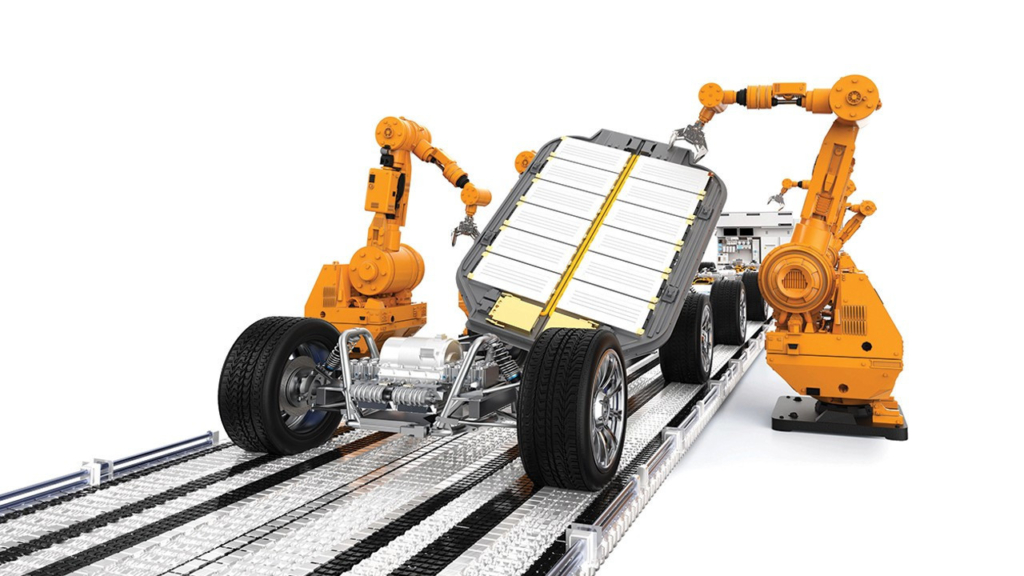
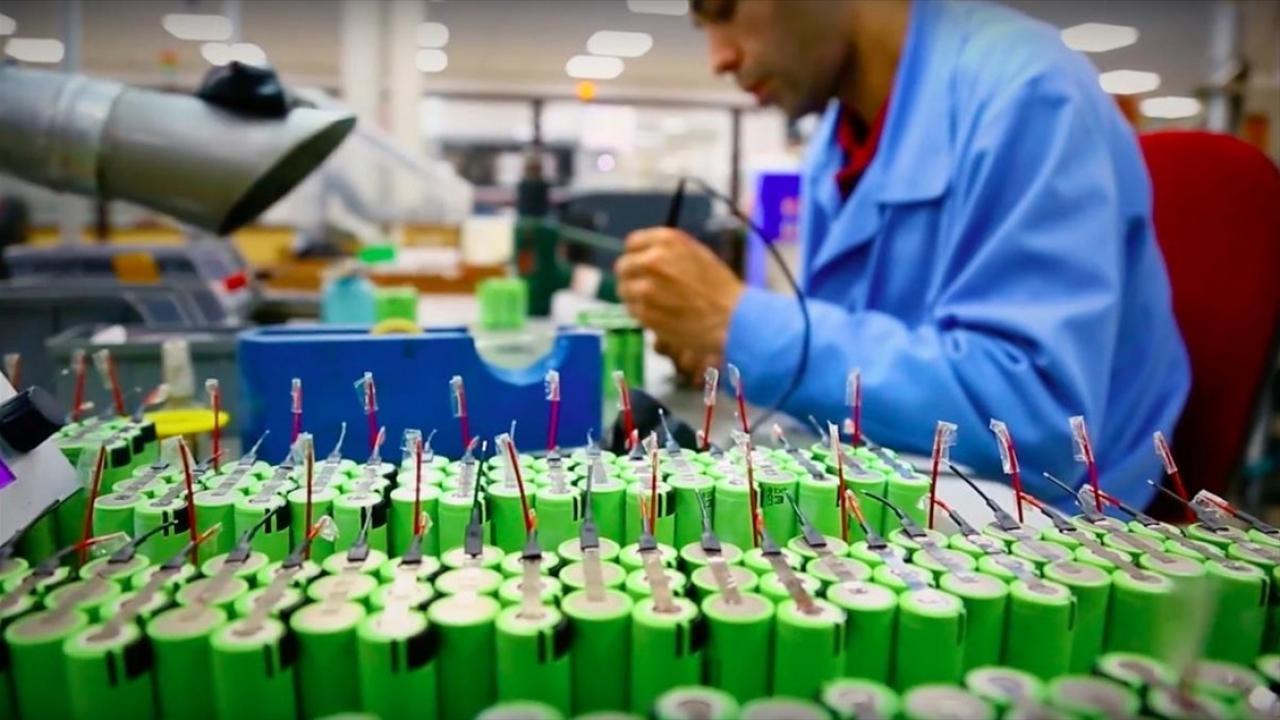
The report reveals a complex but opportunity-rich landscape, highlighting that battery manufacturing—especially during the cell and cathode production stages—is extremely energy-intensive and leaves behind a high carbon footprint throughout its lifecycle.
Yet, with the right regulatory alignment, infrastructure investments, and innovation strategies, Türkiye has the potential to position itself as a sustainable and competitive player in the global battery value chain.

Lifecycle Emissions and Critical Material Challenges
One of the key findings of the report is the disproportionate environmental burden during the early phases of battery production. The extraction, refinement, and transportation of critical raw materials like lithium, cobalt, and nickel are central contributors to emissions. Moreover, the lack of a robust recycling infrastructure and inefficient waste management systems further exacerbates environmental impacts.
The report places special emphasis on the need for circular economy principles, calling for improved practices in material sourcing, end-of-life battery management, and the integration of reuse and second-life applications.
EU Regulations Reshape Market Expectations
The European Union’s Battery Regulation and CIRPASS Digital Product Passport (DPP) are rapidly setting new expectations for battery producers. These frameworks require manufacturers to provide full transparency on carbon footprint, supply chain ethics, critical raw material sourcing, and end-of-life treatment.
Sustainable finance expert Yunus Emre Ertoş explains:
“The EU Battery Regulation introduces a holistic framework encompassing design, production, usage, reuse, and recycling. This is not merely about compliance—it’s about survival in a market where sustainability is becoming a license to operate.”
He also emphasized the Critical Raw Materials Act, which places strict conditions on the handling of strategic materials. Türkiye’s producers must adapt to this new reality or risk losing access to high-value European markets.
“These EU mandates are reshaping global supply chains,” he added. “To remain relevant, Turkish companies must embrace lifecycle analysis, carbon and water footprint assessments, and adopt clean and efficient production technologies.”
Türkiye: Between Risk and Opportunity
As the EU works to reduce its dependence on external suppliers for raw materials, Türkiye faces both competitive pressure and strategic opportunity.
Ertoş explained:
“Europe wants to produce and process more of its own critical materials while increasing its recycling rate. This could reduce Türkiye’s export share in raw materials, presenting a risk. However, Turkish firms that offer traceable supply chains, green production practices, and meet high standards can secure long-term contracts and reinforce their position as trusted suppliers.”
Thus, Türkiye’s ability to adapt swiftly to EU compliance standards and invest in sustainability innovation could define its export resilience and foreign investor attractiveness over the coming decade.
Clean Production and Water Efficiency: A Tech-Driven Shift
Cansu Melis Aksu, a sustainability consultant and circular economy specialist, underlines the importance of clean technologies in improving environmental and operational performance:
“Technologies such as waste heat recovery, process optimization, automation, water reuse systems, and renewable energy integration are not just compliance tools—they are value generators.”
Aksu highlights that by adopting digital monitoring systems and smart factory principles, manufacturers can significantly improve energy and water efficiency, leading to lower operational costs and better sustainability scores.
“With a proper cost-benefit analysis, these investments yield returns not only environmentally but also economically—especially in the medium to long term,” she explained.
Policy, Incentives, and SME Accessibility
Aksu also stressed that effective national policy frameworks and incentive mechanisms are key to driving adoption, particularly among SMEs that often lack access to capital or technical expertise.
“Making technology accessible to small and medium-sized enterprises, aligning with international benchmarks, and learning from successful global models are essential to building a culture of clean production in Türkiye.”
She believes this systems-thinking approach will improve Türkiye’s industrial competitiveness and boost its sustainability credentials in the eyes of global investors and partners.
Battery Recycling and Second-Life Systems: An Urgent Priority
As the report outlines, battery recycling and reuse technologies are no longer optional—they’re essential. The exponential growth of electric vehicles (EVs) means that thousands of tons of lithium-ion batteries will soon reach the end of their useful lives.
“Türkiye already has battery recycling legislation in place, but now it must evolve,” said Aksu. “We need scalable systems for collection, disassembly, material recovery, and second-life applications such as stationary energy storage.”
She emphasized that Türkiye should prioritize:
Strengthening the national collection infrastructure
Establishing public-private partnerships between municipalities and industry
Supporting R&D for second-life technologies
Developing EU-aligned legislation to ensure export continuity and attract foreign direct investment (FDI)
These steps, she said, would create environmental and economic benefits while minimizing resource dependence.
Investor Confidence Hinges on ESG Performance
One of the core themes of the report is the role of environmental, social, and governance (ESG) metrics in attracting and retaining investment capital. Global investors increasingly screen potential partners based on their climate risk exposure, waste management strategies, and sustainability reporting.
Aksu pointed out that Türkiye’s battery sector must not only comply with regulations but also demonstrate transparency, accountability, and innovation in sustainability practices.
“Investors are not just looking at balance sheets anymore. They want to know how responsibly companies operate, how they treat their workforce, and how they impact ecosystems.”
Failure to align with ESG expectations could limit financing opportunities, increase operational risks, and damage brand reputation—particularly in Europe’s tightly regulated markets.
Editor’s Note
Türkiye’s battery industry stands at a critical intersection of regulatory pressure, environmental responsibility, and economic opportunity. The transition will require bold action from both the private sector and public institutions. But if managed wisely—with an eye toward clean technologies, circularity, and EU alignment—Türkiye could emerge as a sustainability leader in the global energy transition.