
The decline of manual transmission vehicles has become one of the most notable transformations in the global automotive market. Once considered the standard for driving enthusiasts and everyday commuters alike, manual gearboxes are now rapidly fading into rarity. In the United States, new car sales data illustrates this dramatic shift. By 2023, only 1.7 percent of newly sold cars were equipped with manual transmissions. This figure had been 0.9 percent in 2021 and rose slightly to 1.2 percent in 2022, suggesting that while there was a modest rebound, the long-term trajectory points toward steady decline.
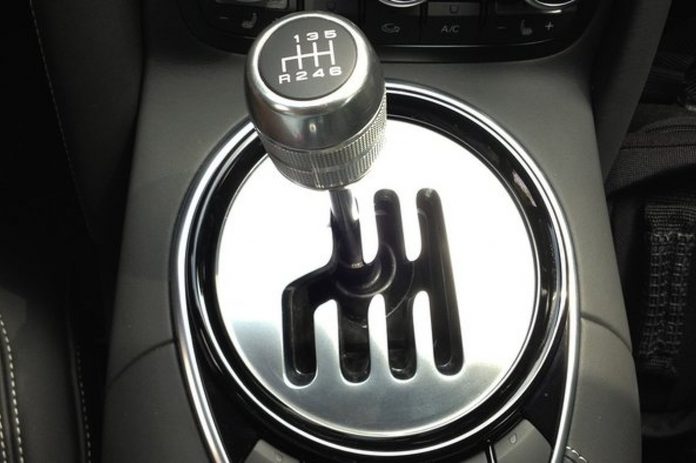
Europe moves away from manual driving
The situation in Europe follows a similar pattern. In 2001, an overwhelming 91 percent of vehicles sold in Europe’s five largest markets — Germany, the United Kingdom, France, Italy, and Spain — featured manual gearboxes. Fast forward to 2024, and that figure has dropped dramatically to 29 percent. Automatic transmissions, once viewed as a premium luxury, have now become the default option for most buyers.
Interestingly, within the premium car segment, manual gear share has essentially collapsed. What was once 31 percent has shifted toward an astonishing 97 percent preference for automatic models. This reflects not only changing consumer expectations but also the technical evolution of modern transmissions, which deliver efficiency and convenience without compromising performance.
Why manual transmissions are fading
Several factors explain the decline of manual cars across global markets:
Urban traffic congestion makes automatic transmissions more appealing by reducing the effort required for constant gear changes.
Improved fuel efficiency and technology have erased the old advantage manuals once had over automatics. Modern automatic systems often provide better mileage than their manual counterparts.
The rise of electric vehicles, nearly all of which are built with single-speed automatic systems, has accelerated the decline of manual models.
Taken together, these shifts show that the transition is not just about consumer preference but also about larger structural changes in the industry.
A niche but passionate community remains
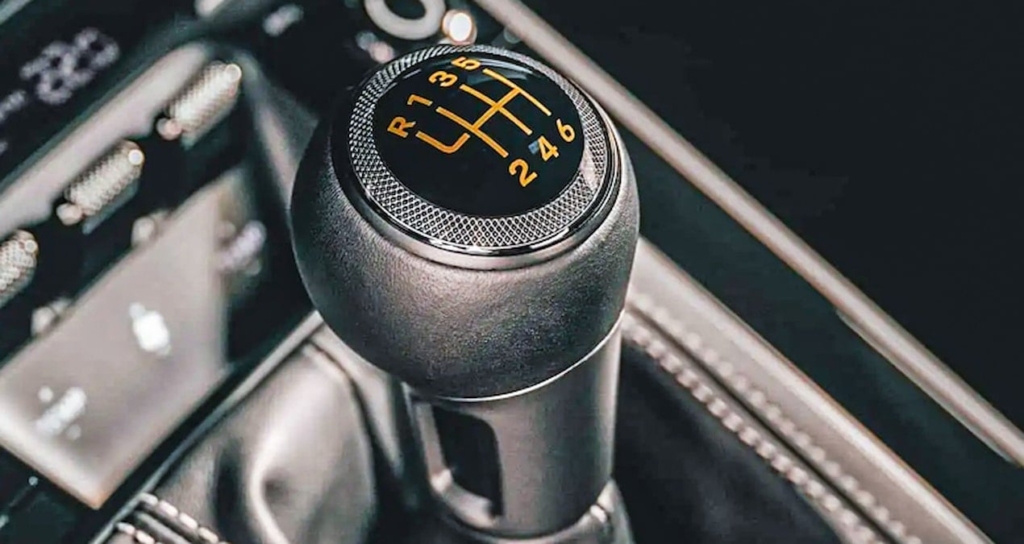
Despite their decline, manual transmissions retain a dedicated fan base. Enthusiasts argue that driving a manual car offers a unique connection between the driver and the machine. The tactile feel of shifting gears, the rhythm of clutch control, and the sense of mastery are experiences that automatics cannot replicate. For these drivers, manuals symbolize freedom, tradition, and a more authentic style of motoring.
Car collectors and performance enthusiasts also continue to keep demand alive, though in smaller numbers. Sports car brands sometimes offer manual options in limited editions to cater to this niche. Owning a manual car today often feels like owning a piece of automotive history, turning the vehicle into a statement of individuality rather than a common mode of transport.
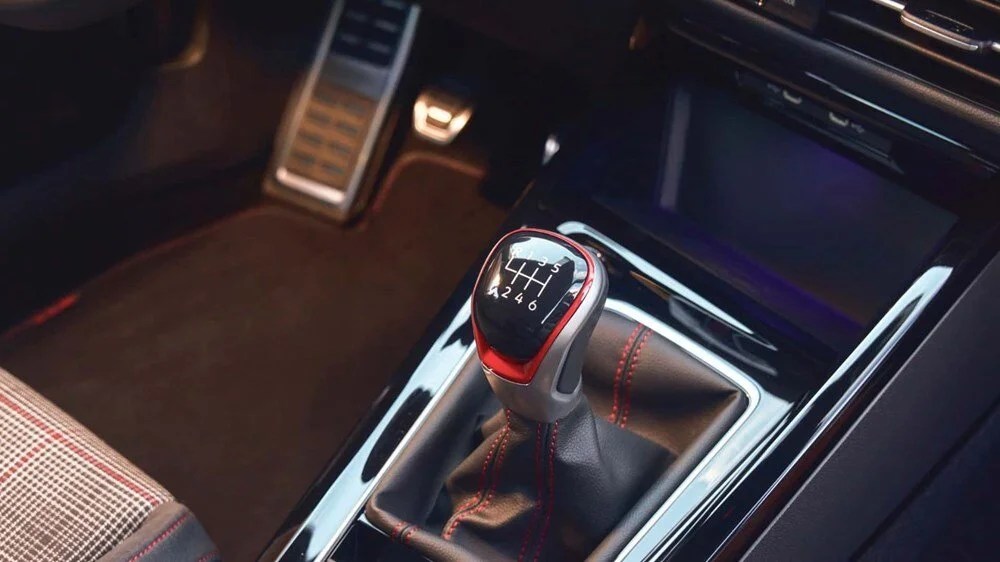
From mainstream to specialty
The decline of manuals is not just a story of falling sales but a cultural shift. For decades, learning to drive in many countries meant mastering the manual gearbox. It was a rite of passage, a symbol of skill. Today, younger generations in urban centers often learn to drive on automatics and may never experience a stick shift at all.
Manufacturers are increasingly viewing manual cars as specialty products. Limited production runs, special editions, and performance-focused models are the main avenues through which manuals survive. Their scarcity may, in fact, increase their appeal among enthusiasts who value exclusivity.
Future outlook
Looking ahead, the continued dominance of automatic and electric vehicles suggests that manuals will become even rarer. Regulatory pressures on emissions and the rapid electrification of fleets further diminish the case for mass-producing manual gearboxes. However, their cultural value is likely to remain intact, ensuring that they will never disappear entirely.
Enthusiast communities, track-day drivers, and collectors will keep the tradition alive, even if manuals no longer dominate the showroom floor. The manual transmission may no longer represent the mainstream, but it continues to embody passion, control, and the pure joy of driving for those who seek it.
As one veteran driver commented, driving a manual car today feels less like routine commuting and more like participating in a heritage craft. It is not simply about getting from point A to point B, but about embracing a unique relationship with the machine.