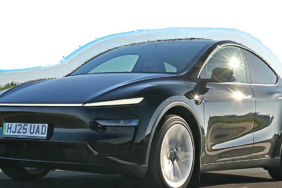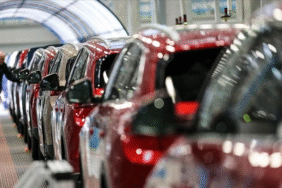

The rise of electric vehicles in Türkiye has been nothing short of remarkable. In just five years, the number of registered electric cars has surged from a modest 3,710 units in 2020 to nearly 292,000 by July 2025. This leap illustrates not only a shift in consumer behavior but also the strong influence of government incentives and market adaptation. According to the Energy Market Regulatory Authority (EPDK), at the end of 2024 the total was 185,513. Within the first seven months of 2025 alone, registrations grew by 57 percent, a pace that captured the attention of both industry insiders and everyday drivers.
One of the driving forces behind this growth was the reduced Special Consumption Tax (ÖTV). Vehicles that qualified for the 10 percent ÖTV category became highly competitive, drawing in a new segment of buyers who may have otherwise hesitated. That advantage, however, shifted after July when the ÖTV on electric models increased to 25 percent. While the long-term effects of this tax change remain to be seen, analysts suggest the earlier momentum has already redefined the country’s automotive landscape.
Market dynamics and sales momentum
The first half of 2025 revealed how quickly the electric vehicle market was maturing. Beginning the year with just over six thousand sales in January, the numbers accelerated in each subsequent month. February brought over ten thousand new registrations, March added more than twelve thousand, April nearly matched that pace, and May climbed further. June proved to be a standout month with more than twenty-five thousand sales, showing how strongly the market had been fueled by incentives and growing consumer confidence. Even July, which coincided with the tax adjustment, still saw over seventeen thousand vehicles sold.
According to the Automotive Distributors and Mobility Association (ODMD), total electric vehicle sales for the first seven months of the year reached 102,160, representing a 146 percent increase compared to the same period last year. This figure means that nearly one in five cars sold during that span was fully electric, a proportion that would have been difficult to imagine only a few years ago.
Infrastructure keeping pace
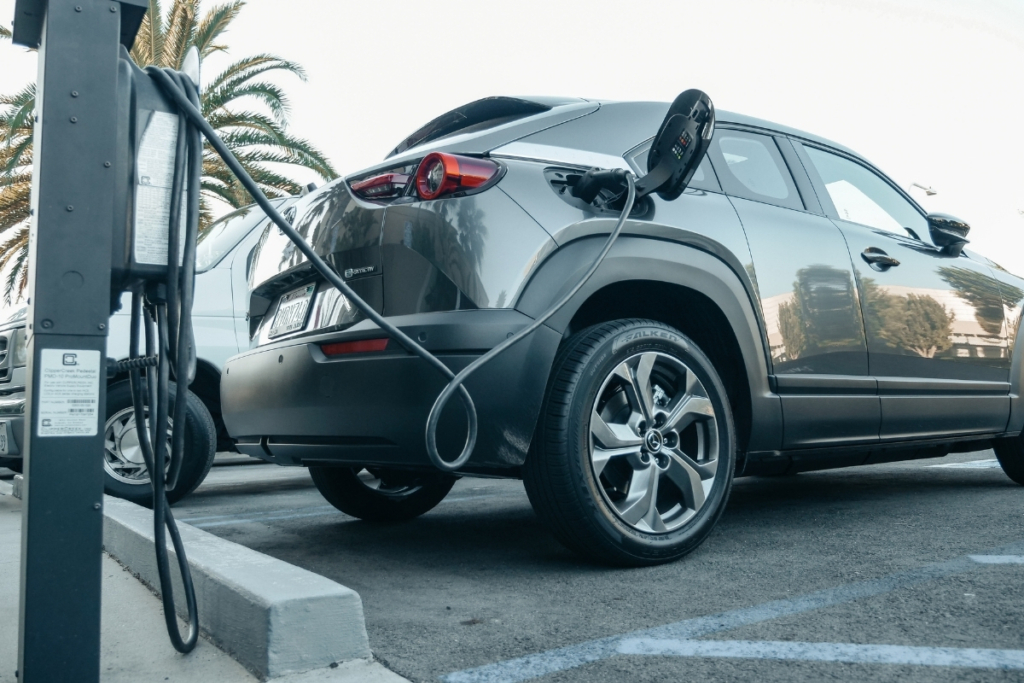
Such rapid adoption requires an equally ambitious expansion of charging infrastructure. EPDK data shows that by the end of July 2025 Türkiye had 32,682 charging sockets, marking a 4 percent increase over the previous month. While this growth might appear modest compared to vehicle sales, it reflects a steady effort by both private companies and public authorities to prevent infrastructure bottlenecks.
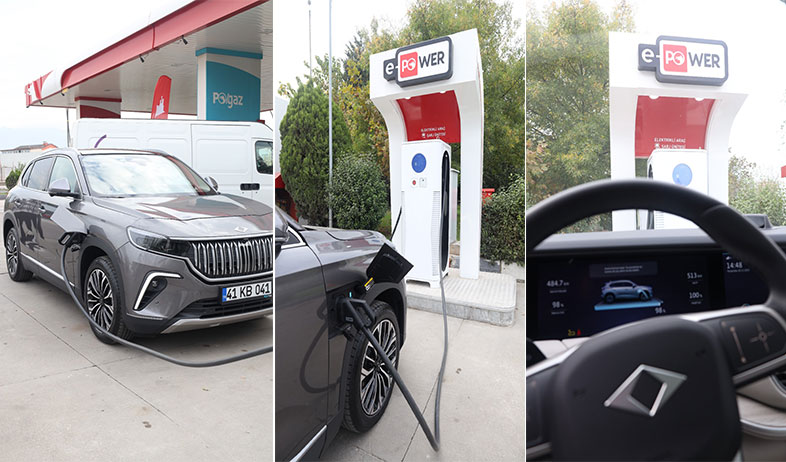
Shell & Turcas has emerged as one of the leaders in this space. Their Shell Recharge network, together with partnerships such as Togg’s Trugo, operates more than 670 sockets and has reported a 337 percent increase in charging volume. The company aims to exceed 1,000 sockets nationwide by the end of 2025. CEO Emre Turanlı emphasized that the surge in demand for charging reflects not only consumer trust but also a broader cultural transformation in mobility.
Shifting consumer perceptions
Concerns about range anxiety have long been one of the most significant barriers to widespread EV adoption. Yet new global surveys indicate that such fears are diminishing. The 2025 Shell Recharge Driver Survey, which collected opinions from over 15,000 drivers across Europe, the United States, and China, found that 61 percent of electric car owners feel less worried about running out of charge compared to a year ago. This growing sense of reliability is critical, as it encourages new buyers to enter the market without hesitation.
In Türkiye, anecdotal evidence suggests a similar trend. Drivers report that the expansion of fast-charging corridors, particularly on major highways, has reduced anxiety about long-distance travel. Moreover, the integration of EV charging into everyday locations such as shopping centers and residential complexes has normalized the idea that keeping a car charged can be as effortless as filling a fuel tank.
The role of policy and industry collaboration
Government incentives have undeniably been at the heart of Türkiye’s EV revolution. The 10 percent ÖTV category initially opened the door for more affordable models, catalyzing a broader market shift. Industry analysts point out that while the July tax increase to 25 percent may slow short-term momentum, the foundation of consumer trust and infrastructural growth has already been laid.
Automakers and distributors are responding with strategies tailored to local conditions. Several international brands have announced plans to expand their EV offerings in Türkiye, while domestic manufacturers such as Togg continue to position themselves as pioneers of the national transition. Collaboration between these actors and global energy firms ensures that the charging ecosystem evolves in parallel with vehicle sales.
Economic and environmental significance
The surge in electric vehicle adoption carries implications beyond simple market share. For Türkiye, reducing reliance on fossil fuel imports remains a critical economic priority. Each additional EV on the road contributes to lowering fuel consumption, potentially saving billions in long-term energy costs. On the environmental side, the reduction in urban air pollution and greenhouse gas emissions aligns with both global sustainability goals and national targets for cleaner cities.
At the same time, the rapid expansion of EVs is expected to stimulate related industries. Battery technology, recycling, renewable energy integration, and smart grid management are areas where Türkiye could develop competitive advantages. Experts suggest that positioning the country as a regional hub for EV manufacturing and services could open new export opportunities and support job creation.
The road ahead
The next phase of growth will depend on how quickly the industry and policymakers adapt to evolving conditions. Affordability remains a key issue, particularly as ÖTV adjustments change the cost equation for potential buyers. Innovative financing models, second-hand EV markets, and the availability of more compact, city-friendly models may help maintain momentum.
Infrastructure expansion will continue to be crucial. Analysts argue that the number of charging sockets will need to grow at an even faster rate to match the anticipated rise in vehicles. Partnerships between energy companies, municipalities, and private developers are already showing results, but scaling up nationwide will require sustained investment.
Human dimension of the transition
Beyond numbers and policies, the story of Türkiye’s electric vehicle boom reflects a cultural transformation. Car buyers who once prioritized horsepower or fuel efficiency are now asking about charging times and battery warranties. Families planning long road trips increasingly consider whether the highways they use have fast-charging stops. Such shifts highlight the broader social impact of the transition, redefining what it means to own and use a car in the 21st century.
What stands out is that many drivers now share their positive experiences online, creating a ripple effect of awareness. Social media groups dedicated to EV users in Türkiye offer tips, share charging station reviews, and help newcomers feel more confident in their decision to go electric. This community dynamic is playing an underappreciated role in normalizing EV ownership.
Final reflections
The explosive rise of electric vehicles in Türkiye between 2020 and 2025 tells a story of rapid adaptation, ambitious policy, and changing consumer psychology. While challenges such as higher taxes and infrastructure demands remain, the trajectory is clear. Electric mobility is no longer a futuristic concept but an everyday reality on Turkish roads. The coming years will determine how well this momentum can be sustained, but the foundation has been firmly set.
As an editor’s note, the data and testimonies reflect both statistical accuracy and human experiences. Observing this shift firsthand makes it clear that Türkiye is not just following global trends but actively shaping its own path in the future of mobility.