
Türkiye is preparing for a significant transformation in its civil defense infrastructure as authorities and construction organizations move forward with a nationwide shelter project. The initiative comes in the wake of heightened geopolitical tensions in the Middle East and renewed concerns about national preparedness.
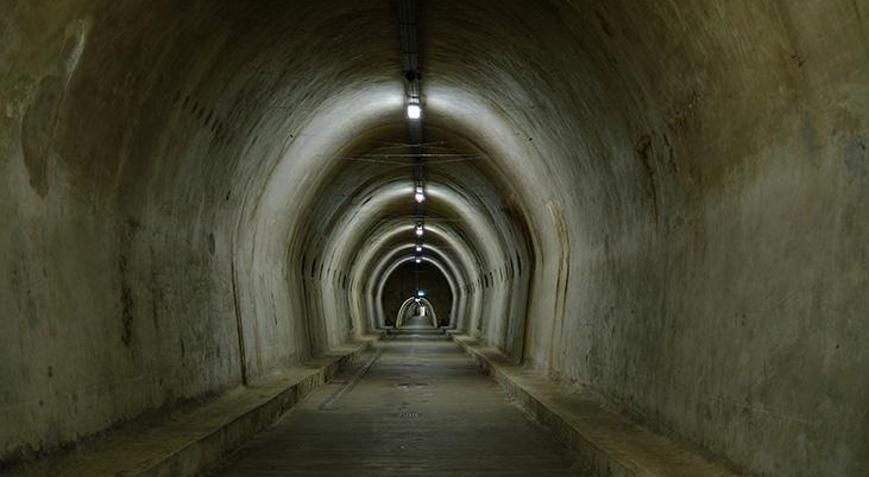
A call for mass shelters
The push for expanded shelter systems gained momentum after the National Intelligence Academy (MİA) published an analysis of the 12-day conflict between Israel and Iran, which disrupted regional balances. The report underscored the importance of establishing mass shelters in large cities and ensuring that strategic facilities are equipped with technically advanced protective structures.
The recommendations prompted Türkiye’s Housing Development Administration (TOKİ) to begin preliminary planning for building modern shelters across all 81 provinces. These shelters are expected to be located under public spaces such as nationwide “millet bahçeleri” (people’s gardens) and other designated areas.
A timeline of 120 days
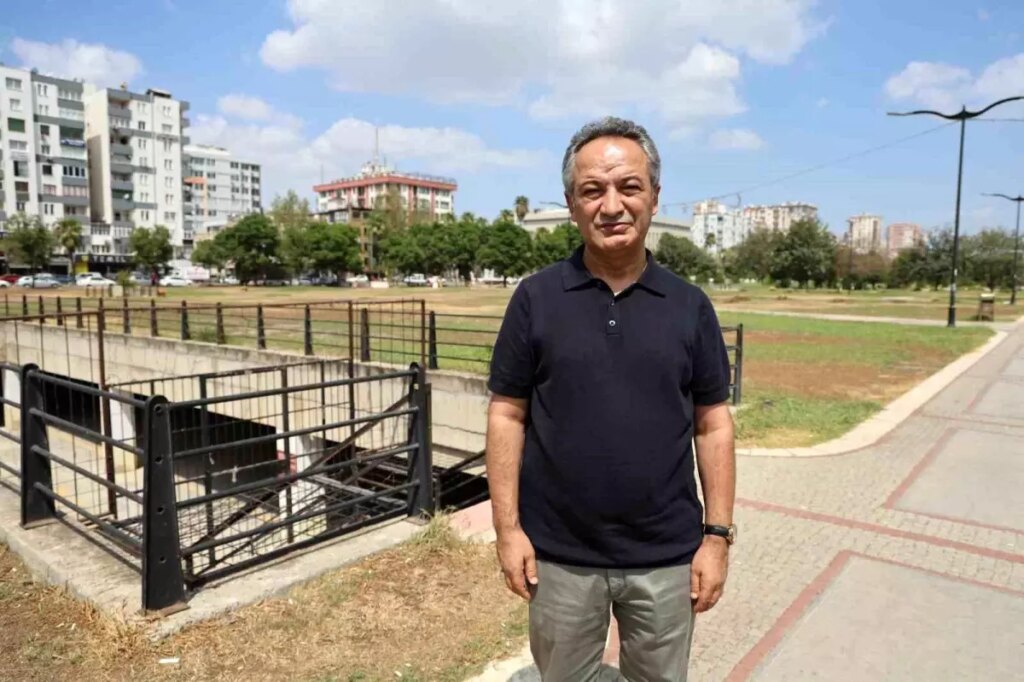
Mustafa Karslıoğlu, President of the Eastern Mediterranean Construction Contractors Federation (DAİMFED), stated that once the government provides final approval and allocates land, construction could be completed remarkably quickly.
“Our universities will prepare the insulation and technical designs, and once the green light is given, the shelters will be built within 120 days,” Karslıoğlu explained in an interview. He emphasized that shelters should not only be associated with wartime scenarios but also serve as protection in cases of pandemics, earthquakes, floods, and other natural disasters.
Designed for extended survival
The shelters are planned with detailed survival standards in mind. According to Karslıoğlu, each person will be allocated one square meter of space, with facilities designed to support occupants for at least 21 days. This approach ensures that in the event of a prolonged crisis, residents will have access to safe and functional environments.
Capacity will vary according to city size. Smaller cities of around 100,000 residents will have fewer shelters, while major metropolitan centers will see larger-scale construction efforts. This proportional allocation aims to balance efficiency with equitable access across Türkiye.
TOKİ’s experience and public-private cooperation
Karslıoğlu highlighted the role of TOKİ’s experience and the reliability of domestic construction firms in ensuring the rapid completion of projects. With Türkiye’s long history of large-scale housing and infrastructure developments, officials are confident that the shelter program can be executed without major delays.
Industry experts note that the integration of construction firms, local governments, and national agencies will be crucial to meeting the ambitious 120-day target. Collaboration between civil engineers, architects, and disaster management authorities will determine how effectively these shelters can meet both security and humanitarian needs.
Broader context of preparedness
The renewed focus on shelters reflects a global trend where nations are reassessing their civil defense capabilities. Rising geopolitical risks, natural disasters linked to climate change, and public health emergencies have all underlined the importance of resilient infrastructure.
Türkiye’s initiative stands out not only for its scale but also for its dual-purpose design. By accommodating both wartime threats and natural disasters, the program positions shelters as multi-functional safety hubs rather than single-purpose bunkers.
Social and cultural impact
Beyond technical details, the shelter project is expected to influence public perception of safety. Citizens have long expressed concerns about preparedness during earthquakes and floods, and the integration of modern shelters into urban planning may provide reassurance. At the same time, the visible presence of shelters in parks and neighborhoods could serve as a constant reminder of both risk and resilience.
Analysts believe that transparency about the project’s scope, location, and accessibility will be essential to building public trust. Ensuring that shelters are inclusive, easy to reach, and equipped with basic amenities will play a key role in their long-term acceptance.
Editorial perspective
The government’s shelter initiative represents a significant investment in Türkiye’s future resilience. While the 120-day construction timeline is ambitious, the combination of TOKİ’s institutional experience and the commitment of local contractors gives credibility to the plan.
For ordinary citizens, the promise of secure spaces in times of war, disaster, or health crisis marks an important psychological and practical step forward. If implemented effectively, these shelters could become symbols of preparedness and unity, demonstrating how Türkiye is adapting to the challenges of an uncertain world.