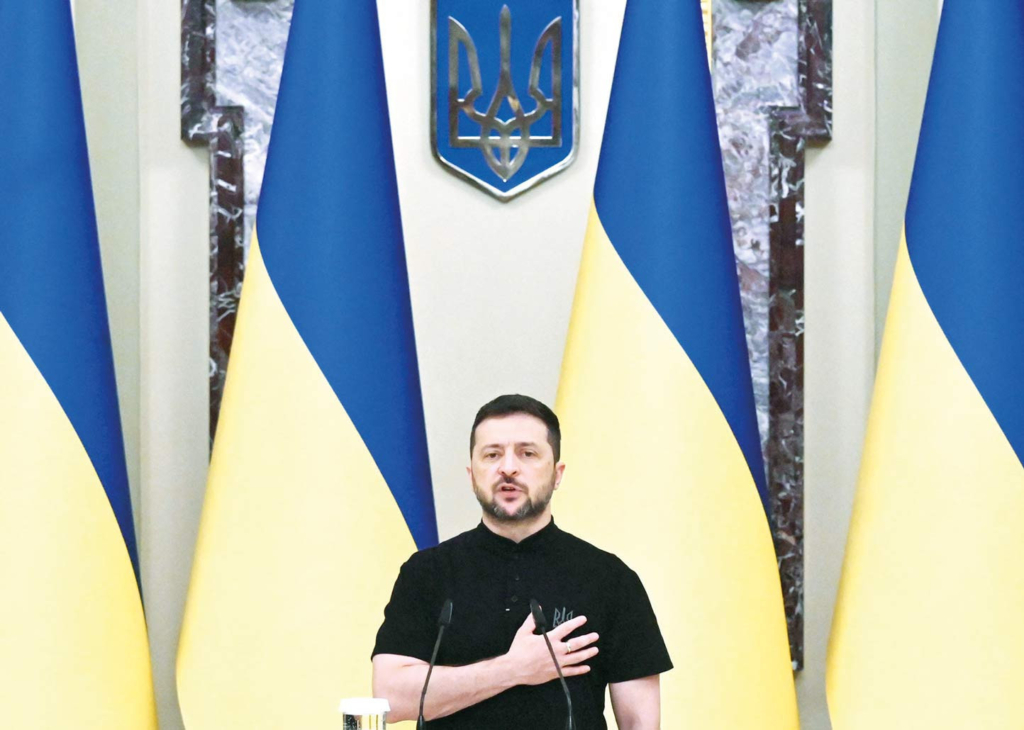

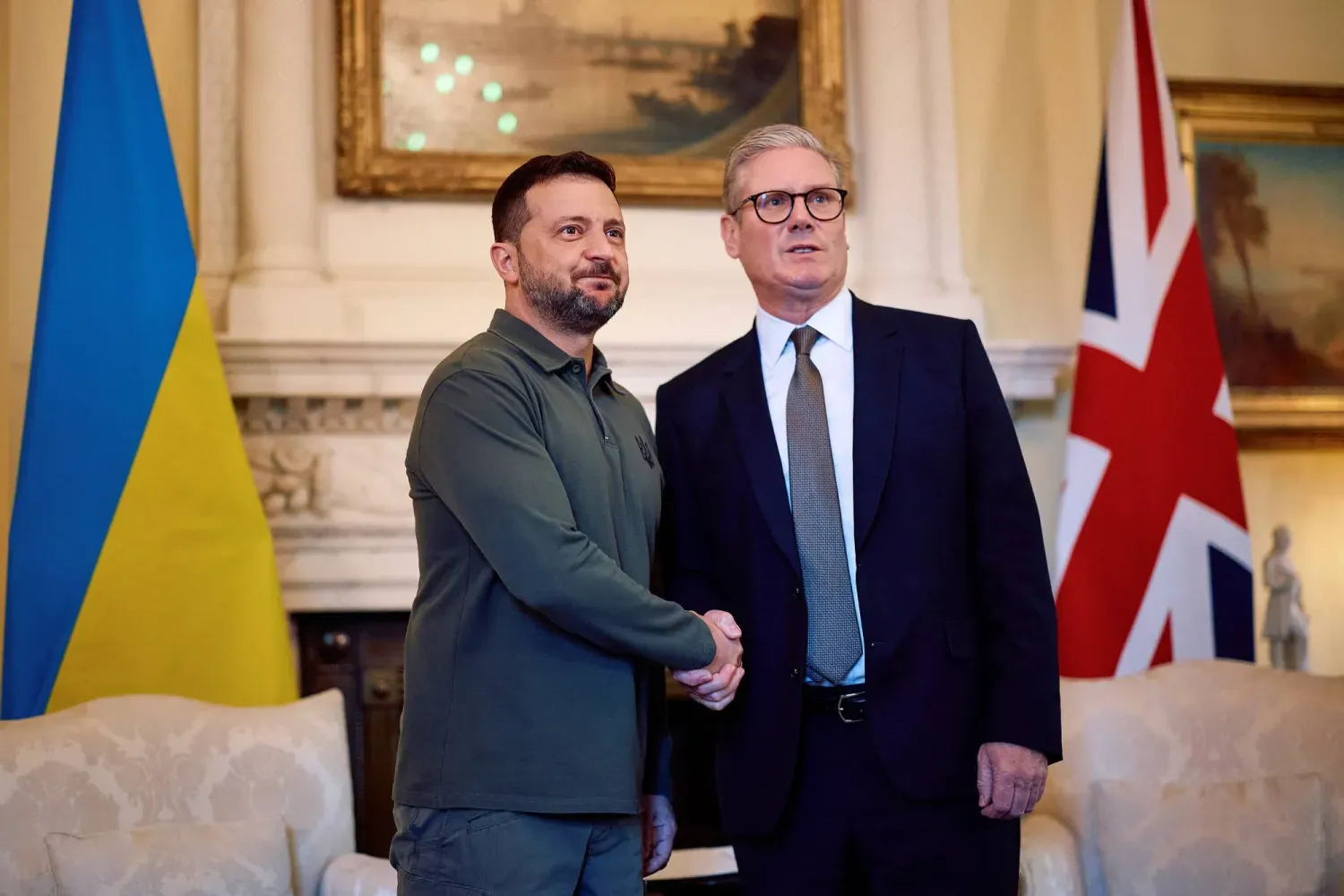
A diplomatic source speaking to French news agency AFP revealed that a high-level meeting on Ukraine is being planned in Paris, though US President Donald Trump is not expected to attend. The core agenda of the talks will be security guarantees for Ukraine, a critical demand by Kyiv in any potential peace settlement with Russia.
Security Guarantees at the Heart of the Talks
As Russia continues its military campaign and signals reluctance toward diplomacy, Ukrainian officials have insisted that any future peace agreement must include enforceable security guarantees. These assurances are seen as essential to deterring Moscow from launching further attacks once active hostilities subside.
Among the proposals under consideration is the deployment of a European peacekeeping force inside Ukraine. Such a mission would serve as both a deterrent and a stabilizing presence, ensuring that Russia cannot easily resume aggression without facing international consequences. For Kyiv, this arrangement would represent a vital layer of protection beyond verbal or written commitments.
Kremlin’s Position Remains Ambiguous
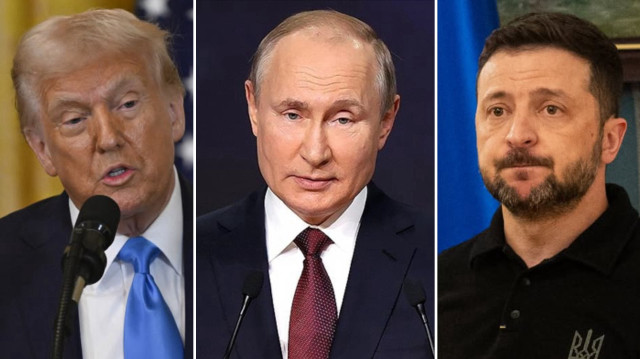
Kremlin foreign policy advisor Yuri Ushakov responded cautiously to the growing speculation about possible trilateral discussions involving Russian President Vladimir Putin, Ukrainian President Volodymyr Zelenski, and Donald Trump.
“There is talk of a trilateral meeting, of a direct meeting between Putin and Zelenski,” Ushakov said. “But as far as I know, there is no agreement between Putin and Trump on this matter.”
His remarks highlight Moscow’s hesitation to commit to direct negotiations that could place Putin under international pressure to compromise. The Kremlin has consistently sought to control the diplomatic framework of talks, avoiding formats that reduce its leverage.
European Push for Peacekeeping Measures
The idea of a European-led peacekeeping force reflects growing frustration in Europe over the prolonged conflict. Several EU members view such a force not only as a deterrent against future Russian aggression but also as a way to demonstrate Europe’s leadership in safeguarding security on its own continent.
However, the plan faces significant challenges. Peacekeeping deployments typically require clear mandates, international consensus, and substantial resources. Without Moscow’s approval, deploying foreign forces on Ukrainian soil could be perceived as a provocation, further complicating an already volatile situation.
What This Means for Ukraine’s Future
Ukraine’s insistence on credible security guarantees underscores its determination to prevent a repeat of past failures. Previous agreements, including the Budapest Memorandum of 1994, provided assurances but lacked enforcement mechanisms, leaving Ukraine vulnerable when Russia annexed Crimea in 2014 and launched its full-scale invasion in 2022.
By pressing for concrete guarantees backed by Europe, Kyiv aims to ensure that any eventual peace deal is not merely symbolic but enforceable. This reflects a broader shift in Ukraine’s strategy—from simply seeking peace to securing long-term stability and protection.
The Road Ahead
While the Paris talks offer a glimmer of diplomatic momentum, the absence of President Trump and Moscow’s ambiguous stance suggest that breakthrough agreements are unlikely in the short term. Still, the very discussion of security guarantees indicates that Ukraine and its allies are preparing for a future beyond immediate hostilities, one in which deterrence and defense structures will play a central role.
The coming weeks will reveal whether these discussions can evolve into actionable plans or whether they remain symbolic efforts overshadowed by continued conflict on the ground.