
The Turkish automotive sector entered August 2025 with remarkable momentum, according to data released by the Automotive Distributors and Mobility Association (ODMD). The latest figures not only reveal a sharp increase in overall sales but also highlight how shifting consumer preferences, electrification trends and structural market dynamics are reshaping the industry’s future.
In this detailed report, we will look at the performance of passenger cars and light commercial vehicles, explore long-term trends compared to previous averages, analyze segment preferences, examine the rise of electric and hybrid models, and discuss what these developments might mean for the market’s next phase.
Strong August Performance With Double-Digit Growth
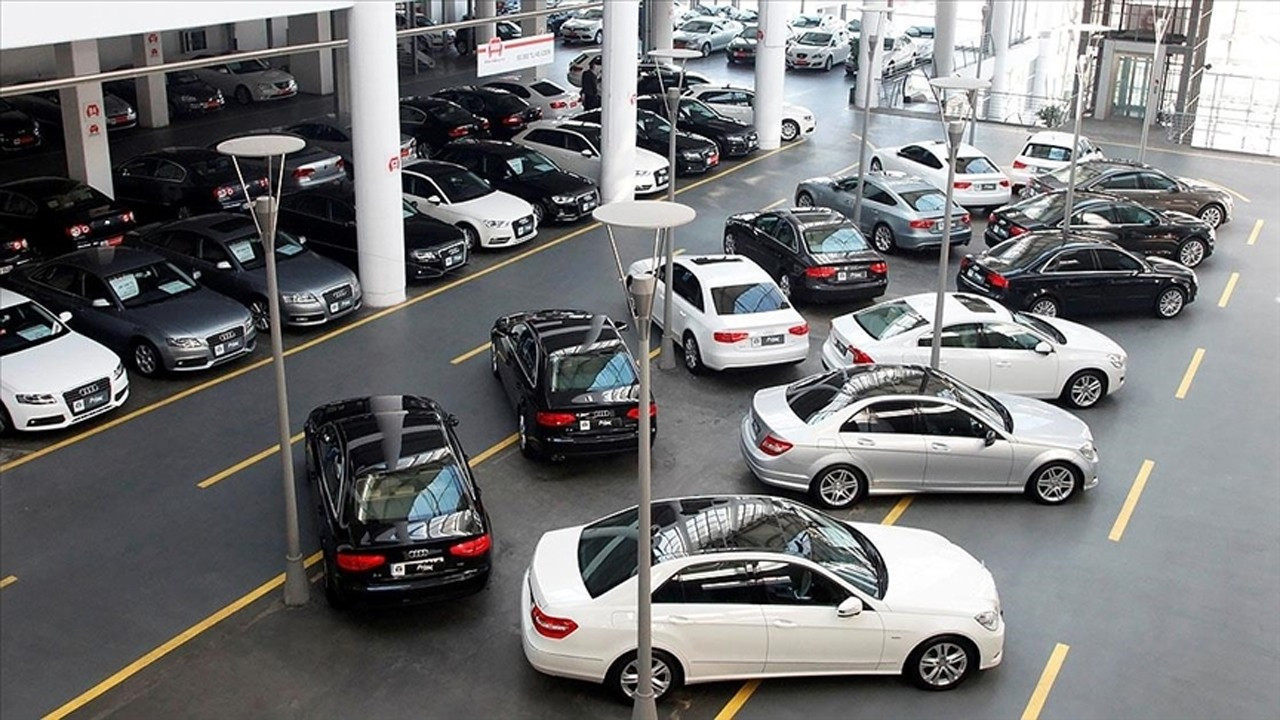
In August 2025, the Turkish automobile and light commercial vehicle market recorded 101,650 sales, marking a 12.78 percent increase compared with the same month of the previous year. Passenger cars carried most of this growth, jumping 18.7 percent year-on-year to reach 82,215 units.
Light commercial vehicles, however, painted a different picture. Their sales slipped by 6.77 percent, ending the month at 19,435 units. Despite this decline, the overall momentum of the automotive industry remained firmly positive, underscoring the robust demand for passenger cars.
Ten-Year Perspective Highlights Exceptional Expansion
When measured against the ten-year average for August sales, the market achieved an extraordinary 60 percent growth. Passenger cars alone expanded by 70.6 percent, while the light commercial category grew by 26.8 percent.
This comparison illustrates that Turkey’s auto market is not just rebounding from cyclical dips but is undergoing a structural expansion driven by increased consumer appetite, new model launches, and favorable financing conditions.
Cumulative Growth From January to August
Between January and August 2025, total vehicle sales in Turkey rose 7.24 percent compared with the same period last year, reaching 817,345 units. Of these, passenger cars made up 654,413 sales, growing 8.05 percent, while light commercial vehicles stood at 162,932 units, reflecting a more modest 4.1 percent rise.
This sustained performance shows how demand resilience is continuing across the year, even as global markets face uncertainty from inflation, supply chain disruptions, and currency fluctuations.
Segment Preferences Reflect Middle-Class Demand
Breaking down sales by vehicle segment, the A, B and C classes together accounted for 81.9 percent of the total market. The C segment was the clear leader, with 366,708 units sold, representing 56 percent of the market.
This trend demonstrates the importance of compact yet practical vehicles for Turkey’s growing middle class, many of whom prioritize fuel efficiency, affordability and space for family use.
SUV Dominance in Body Type Distribution
SUVs continued their dominance in Turkey’s automotive market. With 410,891 sales, they captured a remarkable 62.8 percent share of the passenger car segment. Sedans followed with a 22.1 percent share, while hatchbacks represented 14.2 percent.
This data reinforces a global phenomenon, where consumers increasingly favor SUVs for their higher driving position, versatility, and perceived safety, even if they come at the expense of traditional sedan popularity.
Fuel Types Show Rapid Electrification
Perhaps the most striking development is the diversification of fuel preferences. In the first eight months of 2025:
Gasoline vehicles accounted for 304,618 sales with a 46.5 percent share.
Hybrid vehicles surged to 172,366 units, claiming a 26.3 percent market share.
Electric vehicles rose sharply to 120,857 sales, equivalent to an 18.5 percent share.
Diesel models dropped to 52,253 units, or 8 percent.
LPG-powered cars made up just 0.7 percent with 4,319 units.
Electric cars deserve special mention. Models under 160 kW power output grew by 106.6 percent, grabbing 13.5 percent of the market. High-powered electric vehicles above 160 kW skyrocketed by 285.9 percent, now holding a 5 percent share.
This surge indicates how quickly the Turkish market is adopting EVs. The shift is supported by rising charging infrastructure, government incentives, and growing consumer confidence in new technology.
Emissions and Engine Size Trends
Environmental considerations also shape purchasing decisions. Cars with emissions between 120 and 140 g/km held the largest share at 198,085 units, equal to 30.3 percent of the market. Vehicles with emissions below 100 g/km followed with 166,277 sales, accounting for 25.4 percent.
Looking at engine size, smaller displacements continue to dominate. Engines under 1400cc captured 33.2 percent, while those between 1400cc and 1600cc reached 21.2 percent. Larger engines above 1600cc made up less than 1 percent combined.
These figures suggest that efficiency and affordability remain decisive factors for Turkish consumers, aligning with broader sustainability goals.
Light Commercial Vehicles Led by Vans
Within the light commercial segment, vans emerged as the undisputed leader. With 119,673 units sold, they represented 73.4 percent of sales. Pick-ups followed far behind with 9.9 percent of the market.
This preference illustrates the importance of vans for small businesses and logistics providers in Turkey’s fast-growing e-commerce and delivery ecosystem.
What These Numbers Mean for the Market
The automotive market in Turkey is undergoing a remarkable transformation. Key takeaways include:
Passenger cars are the growth engine of the industry, while light commercial vehicles show stagnation.
SUVs are the clear body type of choice, reflecting both global and local demand dynamics.
Electrification is advancing rapidly, with EVs and hybrids already making up nearly half of total sales, an impressive shift compared to just a few years ago.
Efficiency matters as consumers increasingly favor vehicles with smaller engines and lower emissions.
Light commercial demand is concentrated in vans, supporting Turkey’s logistics and trade infrastructure.
Broader Implications for the Future
Turkey’s automotive industry is not only a vital consumer market but also an important manufacturing hub. Rising EV adoption is likely to accelerate domestic production investments, while global brands see Turkey as a testing ground for new models and technologies.
At the same time, the shift toward cleaner vehicles may challenge fuel taxation policies and infrastructure planning, pushing the government to expand charging networks and adapt regulatory frameworks.
For consumers, this transition means more choice and improved access to innovative mobility solutions. However, affordability remains a pressing concern, as many electric and hybrid vehicles still carry higher price tags compared to conventional models.
A Human Perspective
Beyond numbers and percentages, these statistics reflect the daily choices of millions of families, professionals and businesses across Turkey. The decision to buy an SUV for safety, a hybrid for efficiency, or a van for work is not just an economic calculation but also a lifestyle decision.
As the market continues to grow, stories from real consumers will highlight how mobility shapes everyday life in Turkey — from parents driving children to school to entrepreneurs expanding their businesses with reliable light commercial fleets.
Overall, the August 2025 automotive data confirm that Turkey’s vehicle market is vibrant, forward-looking and increasingly aligned with global technological trends. The months ahead will likely bring more innovation, competition and policy debates that will define the next stage of mobility in the country.