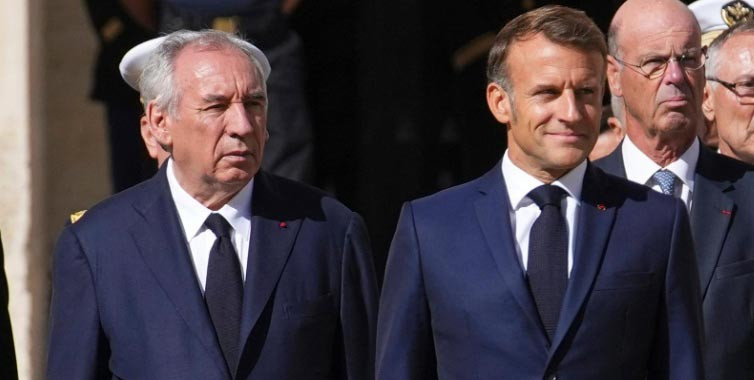

France has entered yet another turbulent phase of political uncertainty after Prime Minister François Bayrou’s government collapsed following a no-confidence vote in parliament. Out of 577 deputies, 364 voted against Bayrou while only 194 stood by him. Twenty-five lawmakers abstained, sealing the fate of a government already weakened by contentious austerity measures and mounting political pressure.
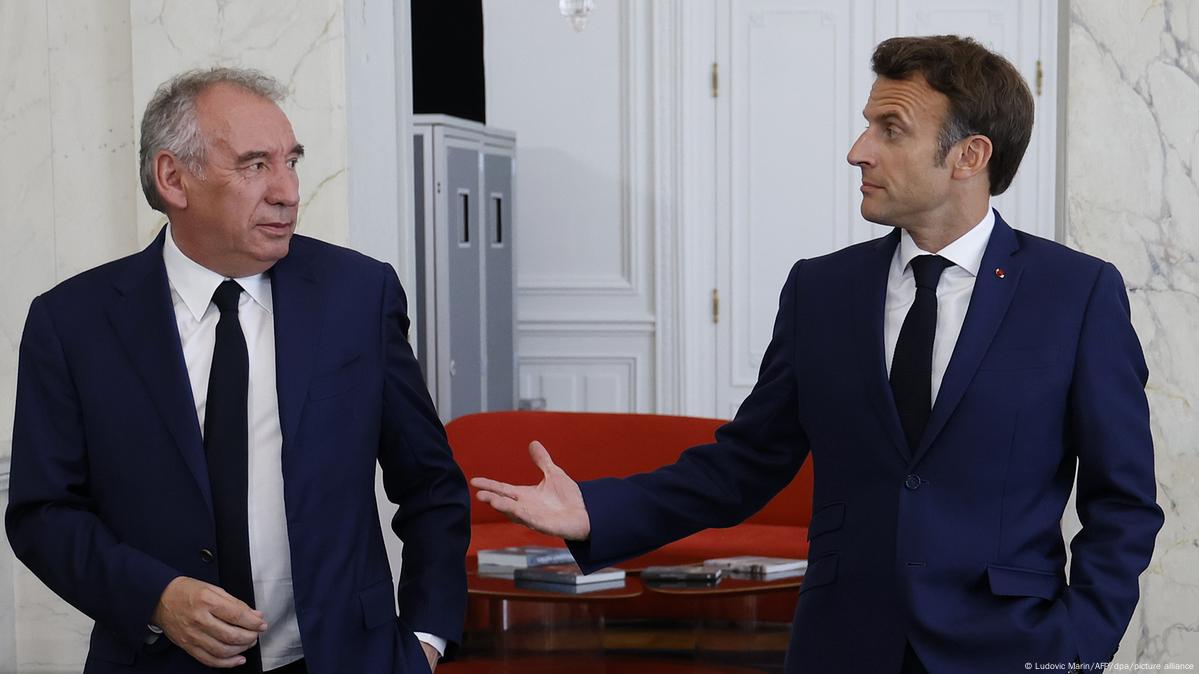
Soon after the vote, the Élysée Palace announced that President Emmanuel Macron would appoint a new prime minister within days. Reports confirmed that Macron would meet Bayrou to accept his resignation, making this the third government to fall during Macron’s second presidential term. Bayrou’s predecessor, Michel Barnier, lasted barely three months before resigning in December 2024, a signal of the deepening instability in French politics.
The Rise and Fall of Bayrou’s Government
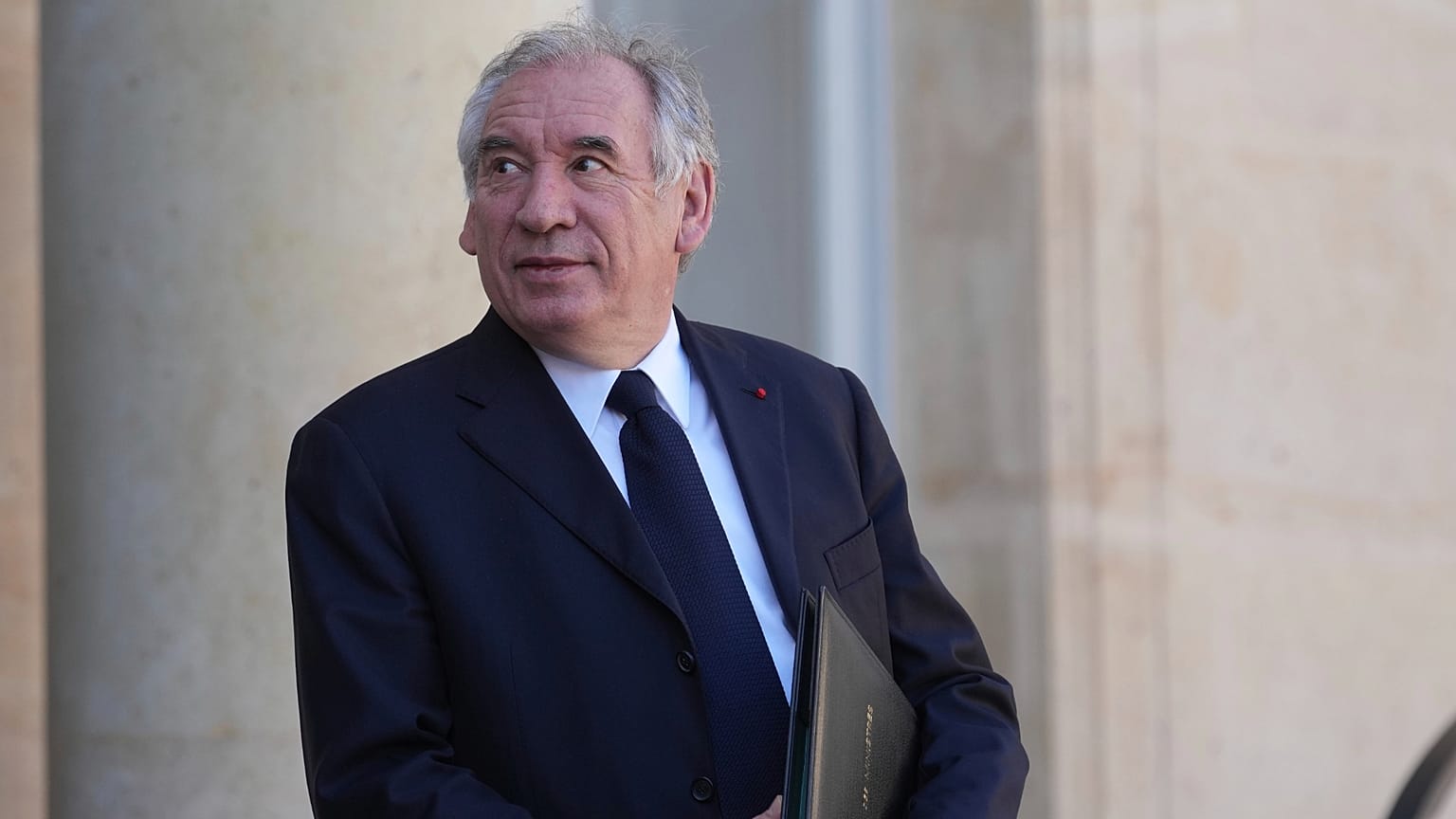
Bayrou assumed office nine months ago, pledging stability, reform and dialogue in a fractured parliament. His administration, however, quickly became embroiled in controversy over a €44 billion austerity package designed to rein in France’s ballooning deficit. Measures included cuts in public spending, the suspension of two national holidays and the freezing of social programs.
While the government defended the plan as necessary to ensure fiscal responsibility and long-term stability, both the left and far-right denounced it as socially unjust and economically damaging. Street protests erupted in major French cities, trade unions organized strikes and public confidence eroded rapidly. Ultimately, Bayrou’s political credibility was undermined, culminating in the crushing no-confidence vote.
A Defiant Farewell Speech
Before the parliamentary vote, Bayrou addressed lawmakers with what many perceived as a farewell speech. He described his tenure as nine months of “happiness,” emphasizing that despite the difficulties, his government had worked “without crisis and tension, in great solidarity.” His tone reflected resignation but also pride in maintaining a sense of unity under challenging circumstances.
Nevertheless, his words failed to sway the majority in parliament, which had already lost confidence in his leadership. By the time the results were announced, it was clear that Bayrou’s chapter as prime minister had ended.
The Far Right’s Call for Dissolution
The no-confidence vote also reignited fierce debate over France’s political trajectory. Marine Le Pen, vice president of the far-right National Rally (RN) parliamentary group, seized the moment to urge Macron to dissolve the National Assembly. In her fiery speech, Le Pen accused Bayrou of presiding over “bad policies” and warned that unless Macron acted decisively, he risked paralyzing the country.
“You cannot mourn your failed policies in front of the cameras,” Le Pen declared. “Change can no longer wait.” Her demand for dissolution highlights the RN’s growing confidence, fueled by popular discontent with austerity and frustration over Macron’s centrist administration.
The RN has steadily consolidated its position as a dominant opposition force, capitalizing on grievances over immigration, cost of living pressures and distrust of the political establishment. The fall of Bayrou’s government may open opportunities for the far right to press harder for early elections.
Austerity at the Core of the Crisis
The €44 billion austerity package lies at the heart of the political breakdown. Designed to address budgetary constraints and reassure international markets, it instead exacerbated political divisions. Cutting national holidays—an emotionally charged measure in a country where labor rights and public holidays are deeply valued—sparked widespread outrage.
Critics argued that the burden of austerity fell disproportionately on workers and low-income households, while sparing the wealthy and corporations. The left denounced the plan as “socially brutal,” while the far right framed it as proof of Macron’s detachment from ordinary citizens. Even centrist lawmakers expressed unease, weakening Bayrou’s parliamentary base.
Macron’s Leadership Under Scrutiny
For President Macron, the fall of another government underscores the fragility of his second term. With Barnier’s short-lived government already a memory and Bayrou now out, Macron must demonstrate his ability to manage a deeply divided political landscape. His choice of the next prime minister will be pivotal—not only for policy direction but also for political survival.
Observers note that Macron’s room for maneuver is limited. He faces a hostile parliament, growing public discontent and a resurgent opposition on both ends of the spectrum. Appointing a technocratic prime minister may stabilize governance temporarily but risks further alienating voters. Opting for a more political figure could inflame tensions in parliament.
The Shadow of European Politics
France’s political turmoil comes at a time when Europe is facing multiple challenges, from economic stagnation to rising populism. Macron has long positioned himself as a key European leader, advocating for deeper integration and stronger EU institutions. However, instability at home could weaken his influence abroad, particularly as France prepares for critical EU budget negotiations and responds to security crises in Eastern Europe and the Middle East.
The crisis also risks diminishing investor confidence in France’s ability to pursue reforms, potentially affecting its economic standing within the EU. Financial markets are already wary of political instability, and frequent government changes only add to the perception of volatility.
Historical Context of Government Instability in France
France’s Fifth Republic, established in 1958, was designed to provide political stability through a strong presidency. Yet, the current political climate illustrates the limits of that design. Fragmented parliamentary representation has made it difficult for any government to secure stable majorities, resulting in short-lived administrations.
Bayrou’s downfall fits into a broader pattern of instability seen in Macron’s second term. Frequent government collapses undermine public trust and foster perceptions of political chaos, a dangerous trend in a country already grappling with social divisions.
Public Reaction and Street Politics
Beyond parliamentary maneuvers, the French public continues to play a decisive role. The austerity package triggered mass demonstrations, echoing the Yellow Vest movement that rocked France earlier in Macron’s presidency. Labor unions have promised further strikes in the coming weeks, warning that without policy changes, social unrest will intensify.
Many citizens feel disconnected from the political elite, perceiving both centrist and traditional parties as indifferent to everyday struggles. This widening gap between government policy and public sentiment amplifies the influence of populist movements like RN, which thrive on channeling anger into electoral gains.
Looking Ahead
As Macron prepares to appoint a new prime minister, the immediate question is whether the next government can survive longer than its predecessors. Stability is essential not only for domestic governance but also for France’s standing on the international stage.
The coming days will test Macron’s political acumen. If he fails to select a leader capable of building consensus, France could face further instability, deepening polarization and potentially snap elections. The outcome will shape not just the remainder of Macron’s presidency but also the broader trajectory of French democracy.
Editorial Note
France stands at a crossroads. The fall of François Bayrou’s government highlights the vulnerability of Macron’s presidency, the rising power of opposition forces and the enduring tensions between fiscal responsibility and social justice. While austerity may have been the trigger, the deeper issue lies in a political system struggling to accommodate competing visions for the nation’s future. Whether Macron’s next appointment brings stability or fuels further unrest will determine how France navigates this critical moment.