
Spain’s political climate has been heating up following the ongoing conflict in Gaza, with reactions intensifying against Israel’s military operations that many in Spain have described as a humanitarian catastrophe. The Spanish government, under the leadership of Prime Minister Pedro Sanchez, recently announced a nine-point package of sanctions directed at Israel. Now, new voices within Spain’s political spectrum are pushing for even stronger measures, including the possibility of sending troops to Gaza under a multinational framework approved by the United Nations.
These developments highlight the depth of Spain’s growing political and social opposition to Israel’s actions. They also underline how the conflict in Gaza has evolved from being a foreign policy issue into one that now shapes domestic debates, coalition dynamics and Spain’s international standing.
Calls for Troops in Gaza
Alberto Ibanez, a parliamentarian from the Compromis party, which is part of the Sumar alliance in Spain’s coalition government, suggested that Spain should consider sending troops to Gaza. He emphasized that this would not be a unilateral action but one carried out under a legal framework with UN approval and in coordination with other states.
Speaking to journalists in parliament, Ibanez stated that multinational forces have intervened in other parts of the world to protect children and civilians, and he believes a similar move should be made for Gaza. According to him, “a coalition of states could act to defend a people who are being massacred.” His remarks have sparked significant debate, especially as they touch on the delicate balance between humanitarian intervention and international diplomacy.
Limited Debate Within the Coalition
Although Ibanez’s comments gained media attention, reports from the Spanish press indicated that the proposal has only been discussed within Compromis so far. It has not yet been brought formally into the wider Sumar alliance, which serves as the junior partner in Sanchez’s government.
This nuance is important. While there is widespread outrage in Spain over the humanitarian situation in Gaza, not all political forces within the coalition share the same appetite for direct military involvement. Some parties prefer to focus on diplomatic pressure and sanctions rather than military commitments. The absence of formal discussion within the alliance reflects these divisions.
Spain’s Nine-Point Sanctions on Israel
The background to this debate lies in Spain’s earlier decision to impose a set of nine sanctions against Israel. The measures were designed as a strong political message against what Spanish officials have described as atrocities in Gaza. The sanctions include restrictions on trade, cooperation and official exchanges.
These steps already created a diplomatic firestorm. Israel responded by banning two Spanish ministers from entering its territory. In return, Spain issued reciprocal bans on Israeli ministers. Madrid also recalled its ambassador from Tel Aviv for consultations, a move that further escalated tensions. The diplomatic crisis continues to unfold as both sides harden their positions.
Public Opinion and Street Protests
Beyond the political class, Spanish society has been vocal in its condemnation of Israel’s actions in Gaza. Protests have erupted in major cities, with demonstrators calling for stronger action from the government. Civil society groups, humanitarian organizations and grassroots movements argue that sanctions are not enough and that Spain should lead by example in defending human rights on the international stage.
These protests have created additional pressure on the government, particularly on Prime Minister Sanchez. While he has sought to balance strong criticism of Israel with a commitment to international law, the growing demands from both the public and members of the governing alliance may push Spain toward bolder actions.

Diplomatic Fallout Between Spain and Israel
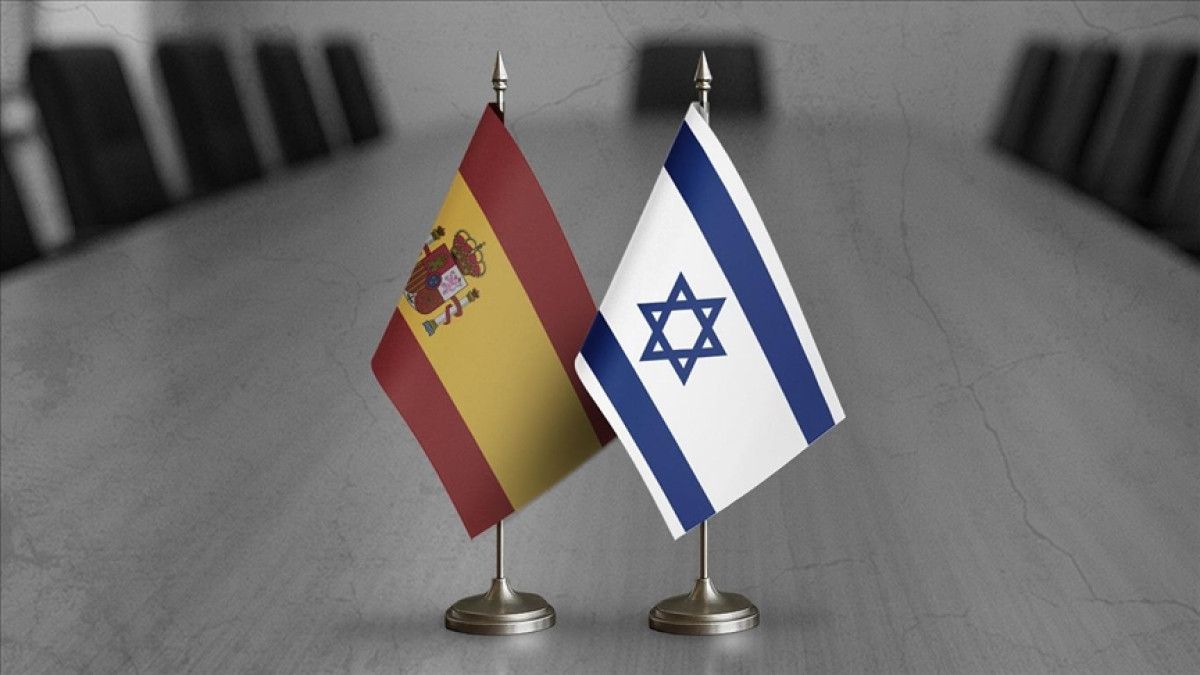
The sanctions and reciprocal measures have led to one of the most tense moments in Spain-Israel relations in decades. The exchange of travel bans on ministers, coupled with the recall of ambassadors, has weakened traditional diplomatic channels. Both countries are now navigating a period of mistrust and confrontation.
Observers warn that this deterioration could have longer-term consequences. Spain has historically played a role in advocating for peace in the Middle East, often promoting dialogue between Palestinians and Israelis. With relations now strained, Madrid’s ability to act as a mediator in future peace efforts could be undermined.
The International Context
Spain’s position is part of a broader global debate over how the international community should respond to the Gaza conflict. While some countries have limited themselves to verbal condemnations, others, like Spain, are adopting concrete measures such as sanctions. The suggestion of sending troops adds another layer to the conversation, raising questions about the feasibility and legality of such an intervention.
UN approval would be essential for any multinational force, but achieving consensus within the Security Council remains extremely difficult. Still, Ibanez’s call reflects a growing frustration in parts of the world with what is perceived as international inaction in the face of ongoing civilian suffering in Gaza.
Balancing Domestic Politics and Foreign Policy
The Spanish government’s approach is also influenced by domestic political calculations. Sanchez’s coalition relies on multiple partners, including left-leaning groups that have consistently expressed solidarity with Palestine. Failing to take a strong stance risks alienating these partners and weakening the coalition’s internal cohesion.
At the same time, Spain must navigate its commitments within the European Union and NATO, where positions on Israel and Gaza vary widely. Finding a balance between satisfying domestic demands and maintaining international alliances is a delicate challenge for Sanchez and his government.
What Comes Next for Spain
The immediate future will likely see further debate within the Sumar alliance about whether to escalate Spain’s role in Gaza. Even if the idea of sending troops does not gain traction, it reflects the broader direction of Spain’s political climate, which is leaning toward stronger and more visible support for the Palestinian cause.
The government will also have to manage the practical implications of its sanctions, ensure that diplomatic fallout does not harm broader strategic interests, and continue responding to growing public mobilization around the issue.
Editorial Reflection
Spain’s reaction to Gaza shows how deeply the conflict has penetrated international politics far beyond the Middle East. What began as a humanitarian crisis has now reshaped alliances, triggered sanctions and even raised the possibility of military involvement under UN auspices.
As an editor, I find the Spanish case compelling because it illustrates the tension between moral responsibility and geopolitical constraints. Spain is a country where public opinion has a strong influence on foreign policy, and the government is navigating a fine line between expressing solidarity and maintaining international legitimacy. Whether or not troops are ever sent, Spain’s actions already signal a shift toward a more assertive and activist foreign policy.