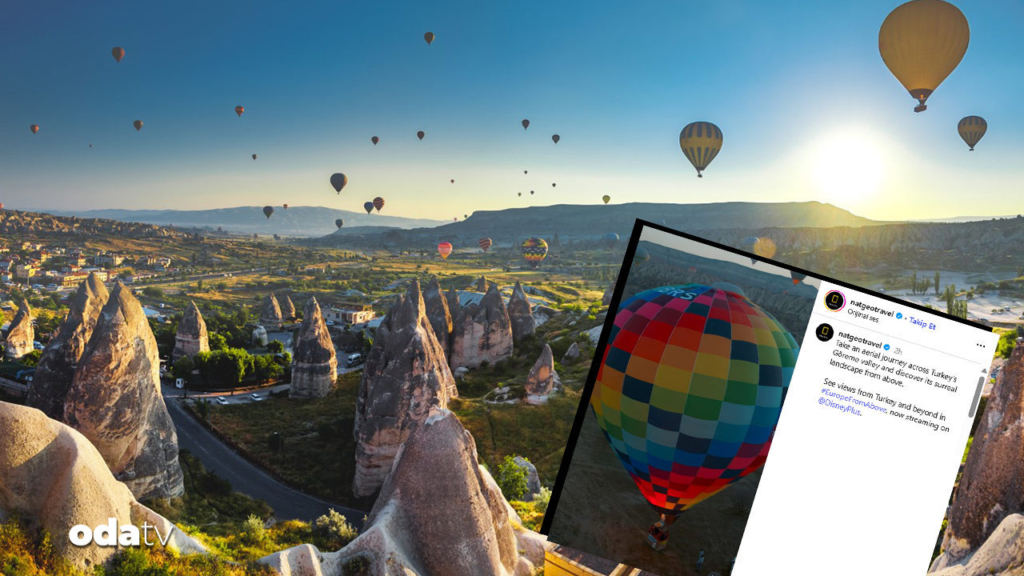

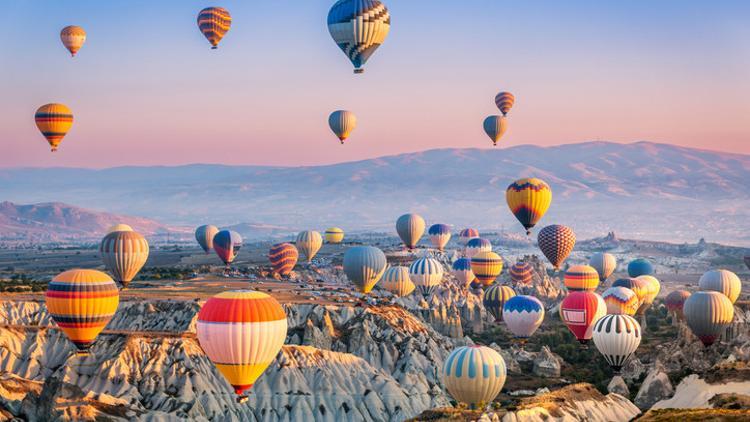
A new video released by National Geographic has captivated millions of viewers around the world by showcasing the mystical landscapes, cultural depth, and historical richness of Türkiye’s iconic Cappadocia region. With scenes featuring colorful hot air balloons drifting above volcanic rock formations and ancient churches carved directly into cliffs, the video offers a compelling visual narrative of a land suspended between time and memory.
While the imagery alone is enough to inspire wanderlust, the video goes beyond aesthetics. It highlights the ongoing efforts to preserve Cappadocia’s cultural and natural heritage—reminding audiences that this magical region is not only a place of beauty but also a fragile, living legacy that requires global awareness and responsible stewardship.
A Region That Tells Stories Through Stone and Sky
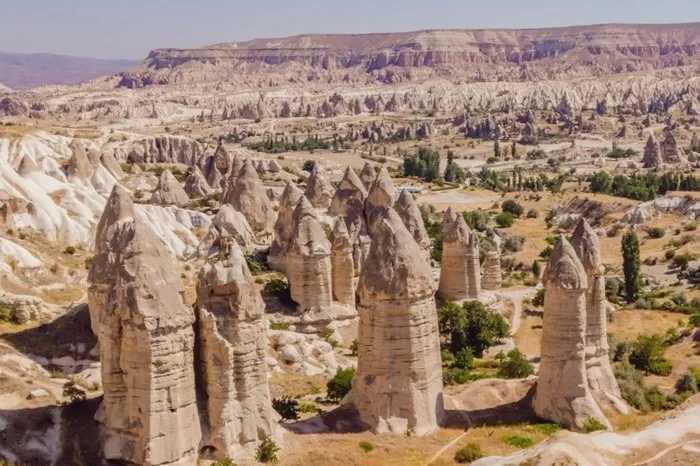
Few places in the world evoke the same emotional response as Cappadocia. Nestled in the heart of central Türkiye, the region is a geological wonder and a historical treasure trove. From the fairy chimneys of Göreme to the subterranean cities beneath Derinkuyu, Cappadocia offers a journey through civilizations that span millennia.
The National Geographic feature captures these diverse facets with precision. Viewers are taken on a sweeping aerial journey over valleys etched by time, then transported into the intimacy of centuries-old rock-hewn chapels that still echo with the rituals of ancient faiths.
As vibrant balloons rise with the morning sun, the contrast between human ingenuity and nature’s artistry becomes strikingly clear. This balance of natural spectacle and historical depth is what makes Cappadocia not just a destination, but a global cultural symbol.
Cem Aslanbay Emphasizes the Global Significance of Cappadocia
Cem Aslanbay, the Head of the Cappadocia Area Presidency, expressed great enthusiasm for National Geographic’s attention to the region. In his official remarks, Aslanbay noted that such international exposure is more than a tourism boost—it is an opportunity to present Cappadocia as a universal heritage site that belongs to all of humanity.
“Cappadocia is not just a geography that carries the traces of the past. It is a universal heritage to be passed on to future generations. Being featured on a globally respected platform like National Geographic provides us with a unique opportunity to tell the world about this valuable legacy,” Aslanbay said.
His comments underscore the belief that visibility on platforms with global influence plays a crucial role not only in attracting tourists but in mobilizing collective responsibility for cultural preservation.
A Strategic Vision for Preservation and Sustainability
Aslanbay also highlighted that the recognition from National Geographic aligns closely with Türkiye’s broader cultural and environmental strategies. Under the guidance of the Ministry of Culture and Tourism, the Cappadocia Area Presidency has been working on sustainable tourism models, conservation programs, and educational outreach to ensure the longevity of the region’s unique assets.
“Promotional efforts such as this should not be seen merely as calls for tourism. For us, they represent critical opportunities to safeguard cultural heritage and transmit it to future generations,” he explained.
This sentiment reflects a growing global consensus: that heritage destinations must balance popularity with protection. In regions like Cappadocia, where erosion, over-tourism, and environmental degradation are real threats, strategic planning is essential.
The Role of Visual Media in Cultural Conservation
In an era where attention spans are short but media reach is immense, visual storytelling has become a powerful tool for advocacy and education. National Geographic’s ability to blend cinematic imagery with compelling narrative has transformed public perception of global landmarks for decades.
By featuring Cappadocia in a way that emphasizes both its beauty and vulnerability, the video fulfills an important dual purpose. It attracts new visitors while also fostering a sense of global responsibility. It reminds viewers that behind every Instagram-perfect balloon ride lies a complex ecosystem of ancient dwellings, spiritual monuments, and communities whose lives are interwoven with the land.
Cappadocia: A Window Open to the World
Aslanbay described Cappadocia as “a window open to the entire world,” reflecting the region’s enduring ability to connect people across cultures and time periods. From early Christian monks who found refuge in its caves to modern travelers seeking spiritual and natural serenity, Cappadocia continues to serve as a bridge between civilizations.
The region’s rock formations are not only geological marvels but also hosts to frescoed sanctuaries, monastic cells, and cave homes that have endured for centuries. These elements provide an unbroken link to the region’s past inhabitants and their way of life.
Supporting Local Communities Through Responsible Tourism
The Cappadocia Area Presidency’s mission also includes supporting the communities that live and work in the region. By promoting tourism models that are both economically beneficial and environmentally sound, local artisans, farmers, and guides can continue to thrive without compromising the integrity of their surroundings.
Community-based tourism, locally guided tours, and traditional crafts are all being integrated into the broader strategy. This ensures that Cappadocia remains a living cultural landscape rather than an open-air museum disconnected from its people.
Future Initiatives and Continuous Engagement
Looking ahead, Aslanbay emphasized that promotion and conservation efforts would continue without interruption. Each part of Cappadocia under the jurisdiction of the Area Presidency is being mapped, monitored, and promoted in line with Türkiye’s cultural preservation goals.
Partnerships with international institutions, participation in UNESCO initiatives, and the use of modern technology for digital archiving and virtual reality experiences are all part of the long-term strategy.
By combining ancient wisdom with modern tools, Cappadocia’s custodians hope to create a model for how world heritage sites can be protected while remaining accessible and inspiring to global audiences.
Conclusion
Cappadocia’s recent appearance on National Geographic’s global platforms serves as a timely reminder of the region’s irreplaceable value. Through stunning visuals and thoughtful storytelling, the world has once again been invited to witness Türkiye’s enchanting heartland—a place where history breathes through stone and sunlight.
But as the images fade from our screens, the real work begins. Ensuring that this heritage remains intact for generations to come is a shared responsibility. With leadership from institutions like the Cappadocia Area Presidency and support from the international community, there is hope that Cappadocia will continue to be a source of wonder, reflection, and unity in an ever-changing world.
As the hot air balloons rise each morning over the valleys, they carry with them not just tourists but the aspirations of a region deeply rooted in the past and looking boldly toward the future.