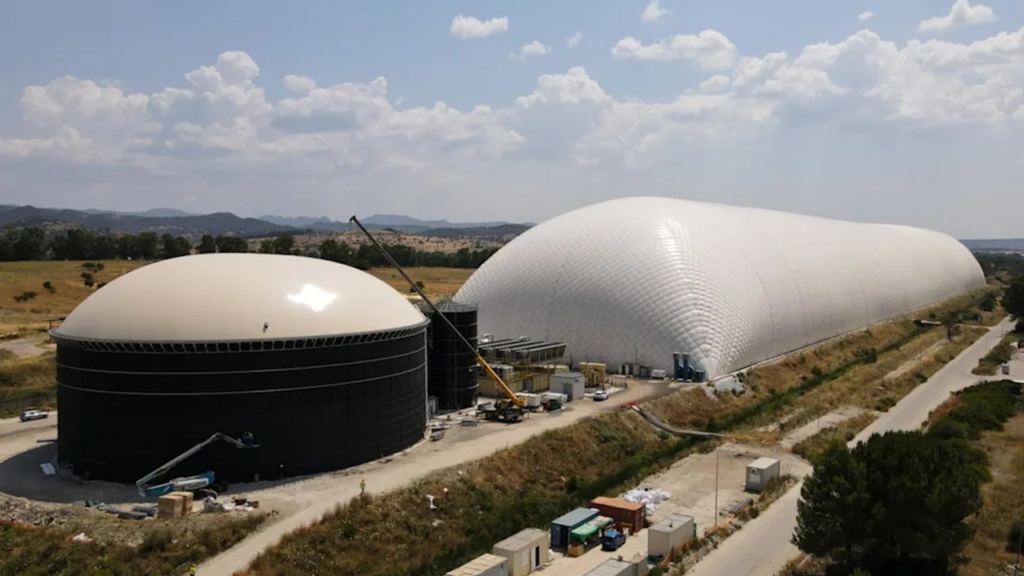

In a significant move that reinforces its global clean energy ambitions, Google has announced a groundbreaking commercial partnership with Milan-based energy startup Energy Dome. This collaboration marks Google’s first-ever investment in long-duration energy storage (LDES), introducing a new frontier in how big tech companies manage energy sustainability.
As part of the agreement, Google will begin integrating Energy Dome’s innovative carbon dioxide-based battery systems into the power infrastructure supporting its global data centers and operations. The aim is clear: to store renewable energy more effectively and make it reliably available across its global digital infrastructure.
Why Energy Storage Matters in the Renewable Energy Race
The growth of solar and wind power has created a critical challenge in global energy systems—intermittency. While these sources produce clean power, their output depends heavily on weather conditions and time of day. Without efficient storage solutions, excess power generated during peak sunlight or wind cannot be saved for use during low-production periods.
Traditional lithium-ion batteries, currently used in most energy storage applications, offer short-term relief by storing power for about four hours. However, Energy Dome’s carbon dioxide-based battery extends this duration dramatically—providing storage between 8 and 24 hours. This enables energy to be captured during times of excess and released steadily when needed, significantly stabilizing power grids.
How Energy Dome’s CO₂ Battery System Works
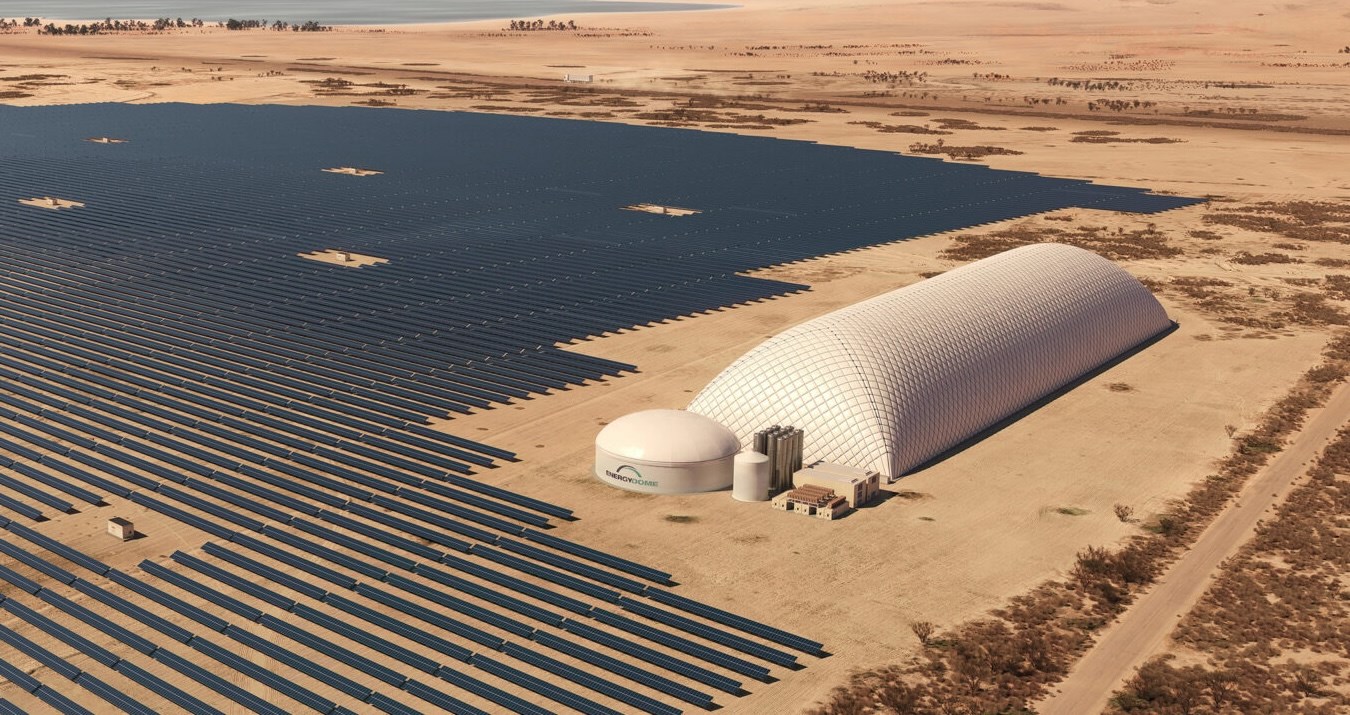
At the heart of this innovation is a dome-shaped structure—Energy Dome’s signature design—used to contain carbon dioxide gas. During periods of surplus renewable energy production, this gas is compressed into a liquid state using the incoming energy.
When electricity demand peaks, the liquid CO₂ is allowed to expand back into gas. As it transitions, it heats up and gains pressure. This hot, pressurized gas is then used to drive turbines that generate electricity, which is sent directly into the power grid.
The entire process operates in a closed loop, with the same CO₂ continuously cycling between gas and liquid forms. This eliminates waste emissions and leverages carbon dioxide as a reusable energy carrier, not a pollutant—making it a highly sustainable alternative to conventional storage systems.
A Strategic Milestone in Google’s 2030 Net-Zero Vision
This partnership represents a critical step in Google’s ambitious goal to operate its entire global network of data centers and campuses on carbon-free energy by 2030. While the company already sources a significant portion of its power from renewables, it has recognized the need to also store that energy effectively to ensure uninterrupted operations.
Energy Dome’s technology provides a practical solution to this challenge. Unlike many experimental energy storage methods, its system is scalable, cost-effective, and already being prepared for commercial deployment. This aligns perfectly with Google’s need for reliability and long-term return on energy investment.
A Broader Trend in Clean Tech Collaboration
The deal is also a signal to the broader energy and tech industries that partnerships between major corporations and agile energy startups are increasingly essential for tackling climate change. With data centers alone consuming approximately 1-2% of global electricity, optimizing their power sources is crucial.
By choosing Energy Dome, Google is betting on a promising, alternative path to clean energy infrastructure—one that moves beyond solar panels and wind turbines, and into the territory of reliable storage that enhances grid resilience.
Environmental and Economic Implications
The use of CO₂ as a core material in the storage process adds an environmentally symbolic layer to this project. Rather than treating carbon dioxide solely as a pollutant, Energy Dome is reframing it as a tool for sustainability. This approach also sidesteps issues surrounding the mining and disposal of rare metals used in lithium-ion batteries, making it a more sustainable option in the long term.
Additionally, the longer storage duration means less need for peaker plants—fossil-fueled facilities that ramp up during high demand. This could translate into cost savings and lower emissions over time, reinforcing both economic and environmental benefits.

What This Means for the Future of Global Energy Grids
The integration of long-duration energy storage could reshape global energy markets. As more countries adopt aggressive clean energy goals, the ability to store and distribute power over longer periods becomes essential. Technologies like Energy Dome’s offer a blueprint for nations looking to balance energy security with environmental responsibility.
For developing countries or regions with unstable grids, such systems could also serve as a bridge—stabilizing power supply, reducing outages, and enabling a smoother transition to renewable sources.
Looking Forward
Google’s collaboration with Energy Dome is more than a technological investment—it’s a statement of intent. It indicates a maturing understanding within big tech that achieving net-zero requires more than just buying green energy—it demands investing in the systems that make green energy usable anytime, anywhere.
As global demand for electricity grows alongside digital expansion, partnerships like this may become increasingly common. Energy Dome’s CO₂ battery isn’t just a scientific curiosity—it could become a central pillar of the modern clean energy economy.
By prioritizing innovation and sustainability in tandem, Google is helping to chart a cleaner, smarter, and more resilient energy future for both the tech industry and the planet at large.