
At the final program of the TEKNOFEST Nuclear Energy Technologies Design Competition held at TENMAK’s Istanbul campus, TEKNOFEST Chairman Selçuk Bayraktar underscored the importance of nuclear energy for meeting the world’s growing energy demands. He highlighted that Turkey must develop its own national nuclear capacity to secure its energy future while also continuing to strengthen its defense industry presence on the global stage.
Bayraktar was joined by Industry and Technology Minister Mehmet Fatih Kacır, Energy and Natural Resources Minister Alparslan Bayraktar, and many other attendees. Speaking to a packed audience, he outlined how nuclear technology, often perceived as distant and intimidating, should be viewed instead as a clean and indispensable solution in the fight against climate change and energy dependency.

The Global Need for Energy and the Role of Nuclear Power
Bayraktar described nuclear reactors as relatively simple machines when viewed as heat engines, emphasizing their long-standing role in global energy production. He explained that although most of the energy sustaining life on Earth comes from the sun through nuclear reactions, the increasing demand driven by artificial intelligence, digitalization, and industrial growth makes nuclear power a critical option for humanity.
He noted that renewable energy sources such as solar panels remain important, yet even their production and installation involve higher carbon emissions compared to nuclear power plants. From this perspective, nuclear energy stands out as a cleaner and more efficient long-term solution.
Turkey’s Position in Nuclear Development
Bayraktar stressed that Turkey is not yet at the level it deserves in nuclear energy. He recalled that the country’s first experimental nuclear reactor was established decades ago but progress since then has been slow. For Bayraktar, building a national nuclear capacity is comparable to Turkey’s pursuit of the Kızılelma combat aircraft project—a strategic goal requiring dedication, planning, and vision.
He identified the development of human capital as the key to success. Training thousands of engineers, he argued, is the most important step toward building independent nuclear technologies. According to Bayraktar, without a strong generation of scientists and engineers, achieving autonomy in this field will remain difficult.
From UAV Engines to Nuclear Ambitions
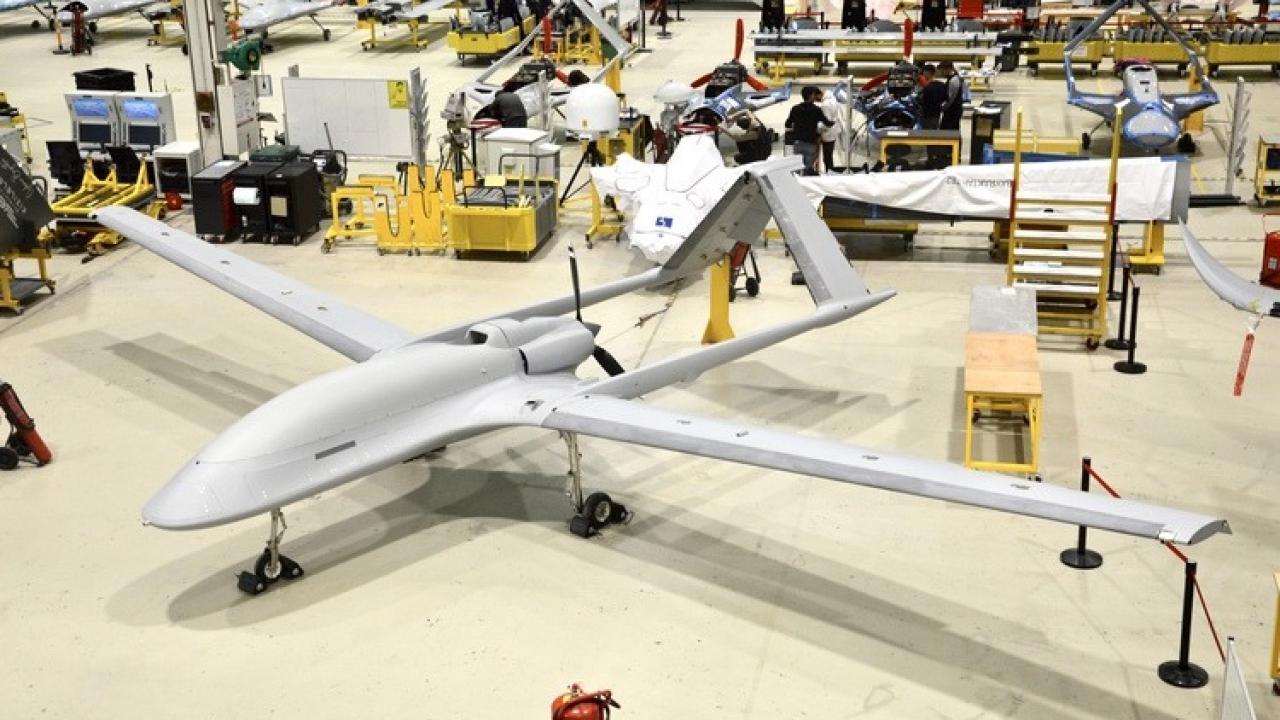
Bayraktar also reflected on Turkey’s achievements in defense technologies. He pointed to the development of indigenous engines for Bayraktar TB2 drones and advanced engines for Bayraktar Akıncı and Kızılelma as examples of how national innovation reduces foreign dependency. In his words, even the smallest foreign-made component can become a barrier when international embargoes are applied.
By drawing parallels between the country’s success in drone technologies and the potential for nuclear energy development, Bayraktar highlighted the importance of self-reliance. He argued that just as Turkey has managed to cross the threshold in defense production, it can also reach a point of independence in nuclear technologies.
Turkey’s Growing Defense Industry
Two decades ago, Turkey’s defense ecosystem employed around 20,000 people and was dependent on foreign suppliers for approximately 85 percent of its needs. Today, thanks to a vision of localization, employment in the defense industry has grown to between 100,000 and 200,000, while national production has expanded dramatically.
Bayraktar proudly noted that Turkey now commands 65 percent of the global market for armed drones, while also advancing in areas such as air defense systems. With rapid production capabilities being developed, he likened the transformation of the defense sector to nuclear reactions—once the threshold energy is surpassed, self-sufficiency accelerates.
TEKNOFEST’s Role in Inspiring Innovation
TEKNOFEST, Bayraktar emphasized, plays a crucial role in nurturing young talent and instilling a spirit of innovation. He believes that Turkey already has the industrial and technical capacity to design and build small nuclear reactors, and competitions like TEKNOFEST are vital for motivating the next generation of engineers and scientists.
He announced that winners of the competition will receive their awards from the President and cabinet ministers during the September 17–21 events. For Bayraktar, the colorful atmosphere of TEKNOFEST reflects the excitement and ambition of a new generation ready to tackle challenges in fields once considered too daunting.
Nuclear Energy as Part of a Broader Strategy
Bayraktar made it clear that nuclear energy should not be viewed in isolation but as part of a larger national and global energy strategy. As artificial intelligence and digital technologies grow more integrated into daily life, energy consumption will rise even further. Meeting this demand sustainably requires a mix of renewables and nuclear solutions.
He underlined that while solar power is the cleanest form of renewable energy, nuclear energy remains unmatched in its ability to provide continuous, large-scale, low-carbon power. From his perspective, Turkey cannot afford to stay behind in this field if it wishes to secure its energy independence and contribute meaningfully to global climate solutions.
The Road Ahead for Turkey
Bayraktar concluded by framing nuclear energy development as a national mission. Just as Turkey has redefined its position in the defense industry through UAVs, missile systems, and next-generation aircraft, he believes the same determination should now be directed toward nuclear technologies.
The challenge, he said, lies not only in building the machines but also in fostering the talent and knowledge base required for sustainable progress. He expressed confidence that with vision, investment, and perseverance, Turkey can become a key global player in nuclear energy, just as it has in defense technologies.
Editor’s Note
Bayraktar’s remarks at TEKNOFEST shed light on how Turkey sees its future in both energy and defense. His call for thousands of engineers to be trained echoes the long-term vision needed to secure independence in critical technologies. Whether Turkey can translate its defense industry success into nuclear energy development will depend on policy, education, and sustained investment. What is clear, however, is that the ambition to achieve such milestones continues to grow.