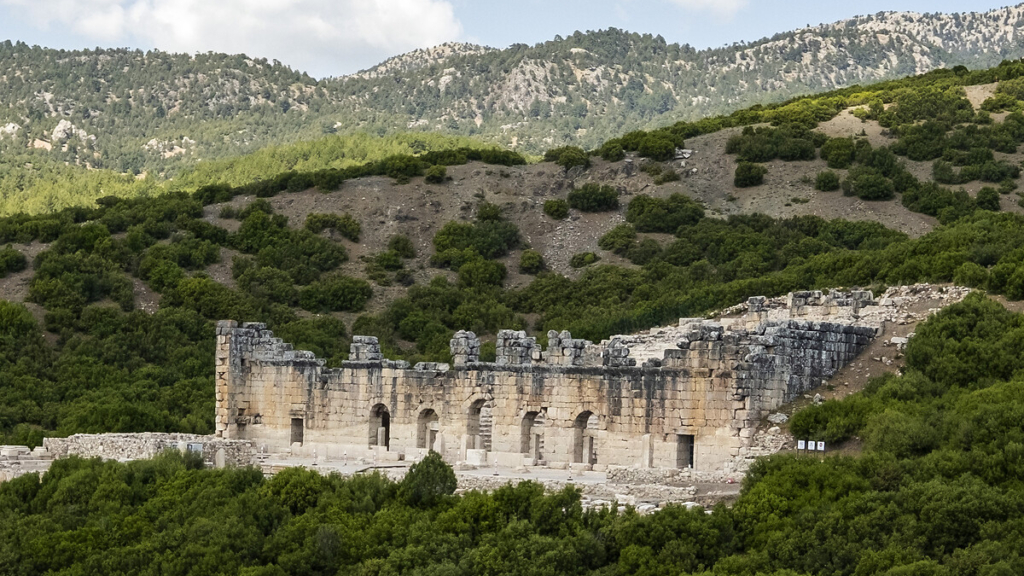

Perched on a high slope in the Gölhisar district of Burdur, the ancient city of Kibyra continues to captivate visitors centuries after its founding. Once a prominent urban center during the Roman and Byzantine periods, Kibyra held strategic and cultural significance for centuries, thriving as a hub of trade, art, and learning.
A Strategic Location at the Crossroads of Civilizations
Situated at the intersection of the ancient regions of Lycia, Pamphylia, and Caria, Kibyra occupied a key position along Anatolia’s major trade routes. This location not only ensured economic prosperity but also made the city a melting pot of different cultures, traditions, and artistic influences. Its elevated position provided natural defenses, allowing it to endure through conflicts as a fortified stronghold.
Architecture and Urban Planning of the Highest Standard
Kibyra’s preserved ruins showcase the advanced engineering and refined aesthetics of the ancient world. The city’s urban layout reveals meticulous planning, with monumental public buildings, organized streets, and intricate stonework that stands as a testament to its builders’ skill.
Among the most striking features are its two theaters—one large Roman theater designed for grand performances and civic events, and a smaller one likely used for intimate gatherings or specific performances. Their architectural quality and state of preservation draw admiration from historians and visitors alike.
Cultural and Social Life in Ancient Kibyra
Beyond its architecture, Kibyra was a thriving center of cultural exchange. As a multi-ethnic city, it embraced people of different backgrounds, religions, and professions. In antiquity, it served as an educational hub where philosophy, rhetoric, and scientific studies flourished.
Religious life reflected the diversity of its inhabitants. Temples and sanctuaries were dedicated both to local deities and the broader Roman pantheon, blending local traditions with imperial culture. Public spaces such as the agora, odeon, stadium, and bathhouses formed the heart of social interaction, supporting both daily needs and leisure activities.
Engineering Mastery Beneath the Surface
Kibyra’s infrastructure reveals a mastery of ancient engineering. The city boasted an advanced network of underground water channels and drainage systems, ensuring a reliable water supply and protection against flooding. This practical ingenuity was matched by artistic refinement—intricate mosaics adorned public and sacred spaces, enriching the city’s visual identity and cultural prestige.
A Rich Archaeological Legacy
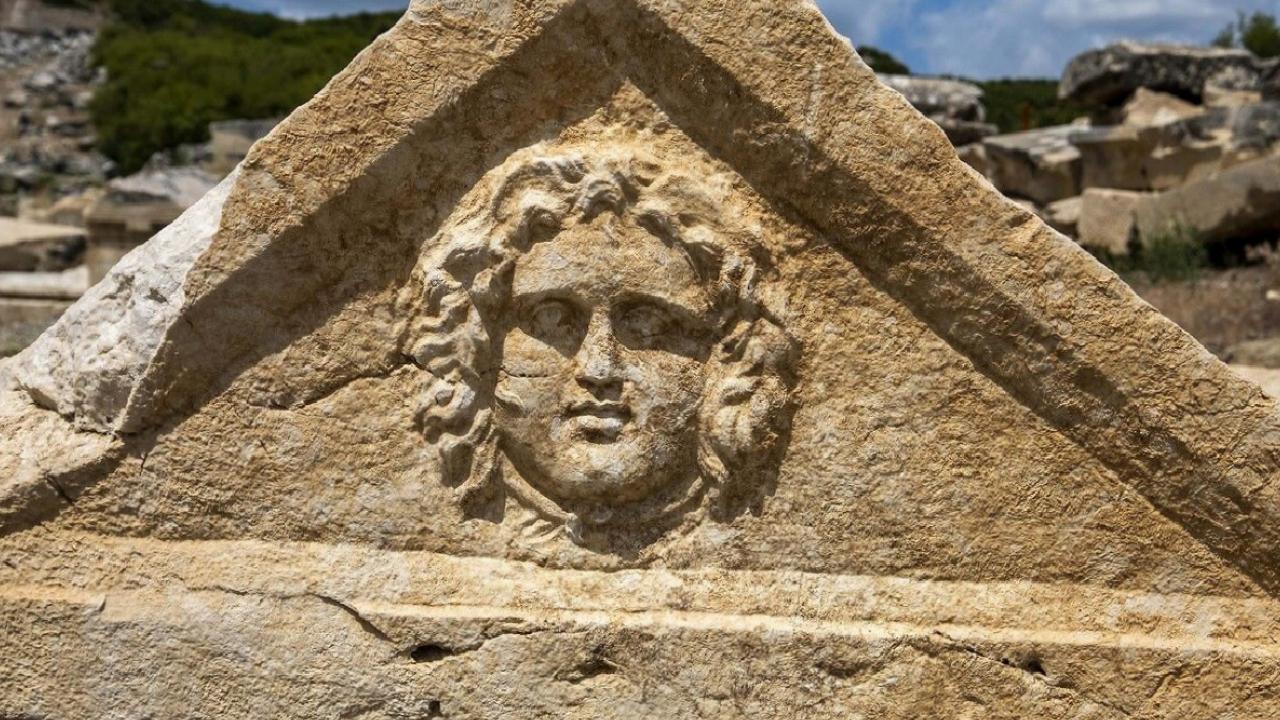
Ongoing archaeological excavations since the mid-20th century have uncovered a wealth of artifacts and structures, offering invaluable insights into the city’s history and daily life. The mosaics, inscriptions, and remnants of public buildings not only document Kibyra’s past but also reflect the sophistication of the civilizations that inhabited it.
The city’s inclusion on UNESCO’s Tentative List of World Heritage underscores its global cultural significance. Each discovery adds new depth to our understanding of life in this influential Anatolian city, further solidifying its place among Türkiye’s most important archaeological sites.
An Immersive Destination for Cultural Tourism
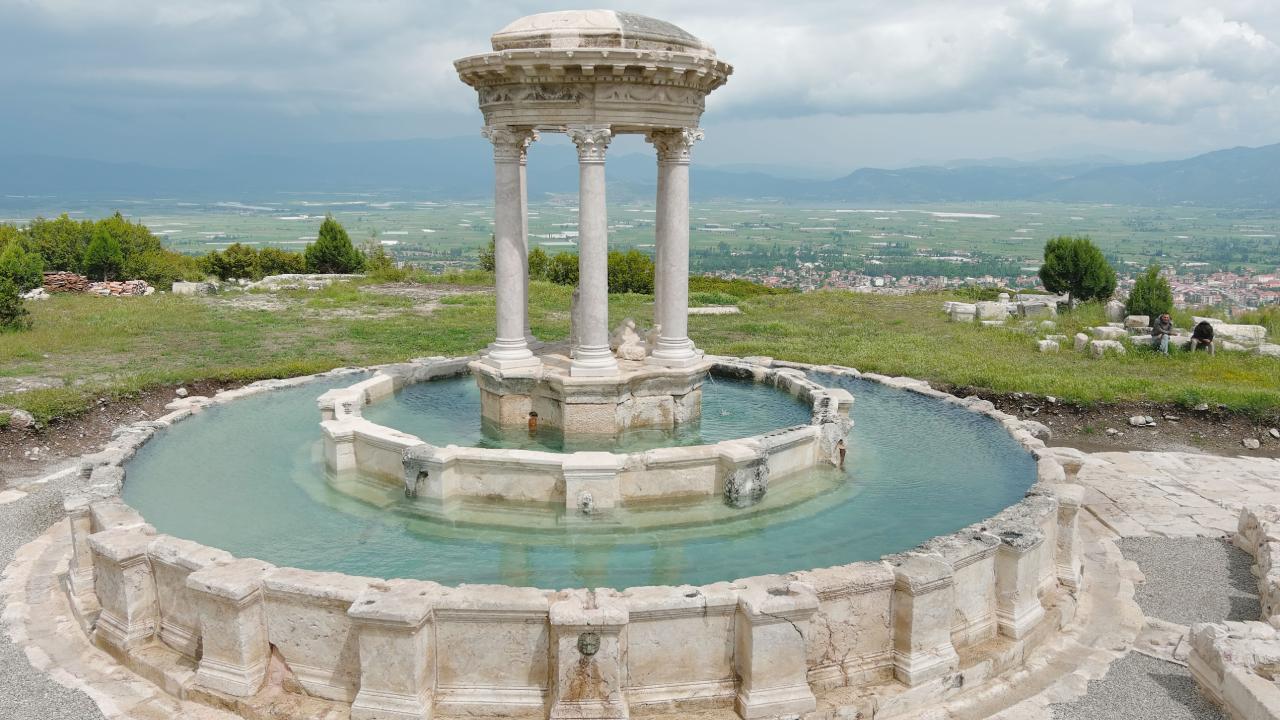
Kibyra’s location, surrounded by natural beauty, enhances its appeal as a cultural tourism destination. Visitors can wander through its well-preserved streets, stand in the shadow of grand theaters, and imagine the vibrant life that once animated the agora and public baths. For history and archaeology enthusiasts, the site offers an unparalleled opportunity to step back in time while enjoying the tranquility of its scenic setting.
Preserving the Spirit of Kibyra for the Future
As interest in heritage tourism grows, Kibyra stands as both a reminder of the richness of Türkiye’s past and a symbol of the importance of preservation. Protecting such sites ensures that future generations can experience the stories, artistry, and ingenuity of civilizations that shaped the region.
Kibyra is more than an archaeological site—it is a living bridge between past and present, where every stone and mosaic whispers the tales of a city that once thrived at the crossroads of empires.