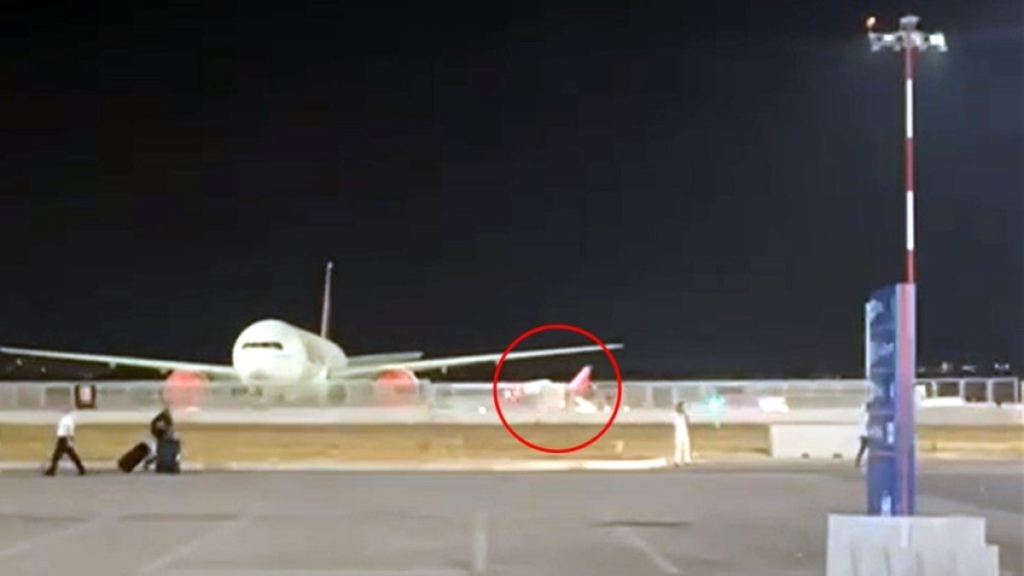

Aviation authorities and passengers experienced tense moments at Fraport TAV Antalya Airport when a Jet2 Boeing 737-800 bound for Manchester was forced to make an emergency return shortly after takeoff due to smoke detected in its landing gear system. The incident, which occurred during a routine Antalya–Manchester flight, is now under official investigation.
The aircraft, operated by UK-based holiday airline Jet2, had departed from Antalya with dozens of passengers expecting a standard journey to Manchester. However, shortly after leaving the runway, cockpit alerts and visual confirmation indicated the presence of smoke near the landing gear assembly. Recognizing the potential severity of the issue, the flight crew promptly initiated emergency procedures and communicated with Antalya air traffic control to coordinate a return.
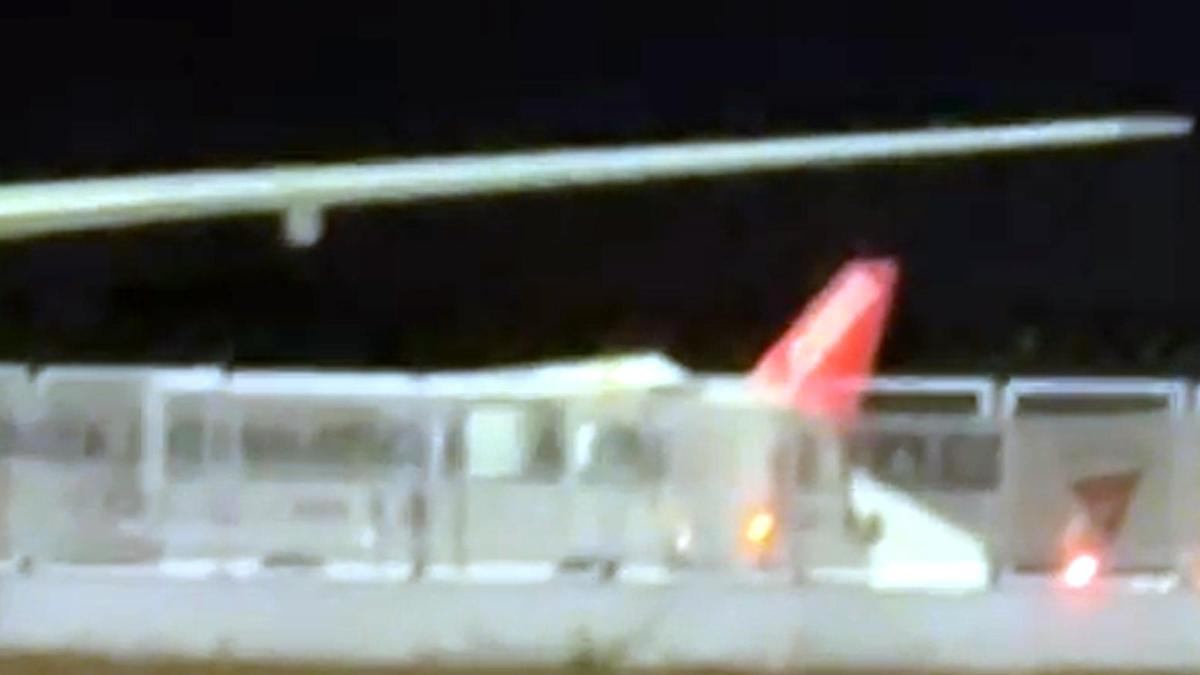
Swift response by flight crew and ground teams
Eyewitnesses and airport staff reported that the flight crew acted quickly, performing necessary in-flight checks while keeping passengers informed. Ground emergency units, including fire and rescue teams, were dispatched to standby positions near the runway to ensure immediate assistance if required.
The Boeing 737-800 made a controlled approach back to Antalya Airport, where it landed without any reported injuries. Once the aircraft came to a complete stop, it was taxied to a safe parking position for inspection. The airline confirmed that passengers were safely disembarked and transported to the terminal, with arrangements being made for an alternative flight to Manchester.
Possible technical causes under examination
While the exact reason for the smoke has not yet been officially determined, aviation maintenance experts highlight that landing gear assemblies are complex systems involving hydraulics, brakes, and mechanical components that can generate heat. In some cases, residual hydraulic fluid, brake friction, or minor electrical faults can cause smoke without posing an immediate catastrophic threat.
However, industry protocol dictates that any sign of smoke in critical systems must be treated as a potential hazard until ruled out. Jet2 engineers and independent inspectors are now examining the aircraft to identify the source and ensure it is safe for future operations.
Passenger experiences and safety protocols
Some passengers, speaking to local media, described the incident as alarming but praised the professionalism of the cabin crew. One traveler recounted how the crew maintained calm, explained the situation clearly, and reassured everyone on board. This approach aligns with international aviation safety standards, which emphasize transparency and passenger management in emergency scenarios.
Antalya Airport officials also emphasized that their emergency response plan functioned exactly as intended. The coordinated effort between air traffic control, ground support, and fire rescue teams ensured a smooth and safe resolution.
The Boeing 737-800 and its safety record
The Boeing 737-800, part of the Next Generation series, is widely used for short and medium-haul routes worldwide. Known for its fuel efficiency and operational reliability, it serves as a workhorse for many airlines. While mechanical incidents can occur in any aircraft type, the 737-800 maintains a strong safety record, with most issues being resolved through standard maintenance protocols.
Jet2, in particular, operates a large fleet of Boeing 737-800s and has built a reputation for punctuality and safety. According to recent industry reports, the airline has consistently ranked high in customer satisfaction within the European low-cost carrier sector.
Broader implications for airline operations
Although this incident was resolved without injury or major damage, it underscores the importance of rigorous maintenance schedules and real-time monitoring of aircraft systems. Airlines and regulatory bodies frequently update operational guidelines to address potential hazards before they escalate.
In Türkiye, the Directorate General of Civil Aviation (SHGM) requires all commercial aircraft to undergo stringent inspections at regular intervals, ensuring compliance with both national and international safety standards. Events such as this also serve as valuable case studies for pilot training and emergency preparedness exercises.
Impact on passengers and scheduling
Following the safe landing, Jet2 issued an apology to affected passengers and began arranging accommodations and alternative travel options. While some travelers expressed frustration over the delay, most acknowledged that safety must always take precedence.
Airline analysts note that handling such incidents effectively—both operationally and in customer communication—can significantly influence public perception. In this case, the swift, professional handling may reinforce Jet2’s reliability in the eyes of many passengers.
Final remarks on aviation safety vigilance
This event serves as a reminder that even with advanced technology and strict safety procedures, aviation always involves a degree of unpredictability. What distinguishes safe outcomes from dangerous ones is the preparedness of the crew, the efficiency of ground teams, and the enforcement of robust safety protocols.
For Antalya Airport and Jet2, this incident is likely to prompt further safety reviews, ensuring that any potential technical vulnerabilities are addressed before future flights take to the skies. For passengers, it is a testament to the industry’s ability to handle emergencies swiftly and protect those on board.