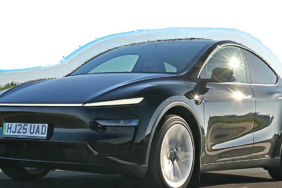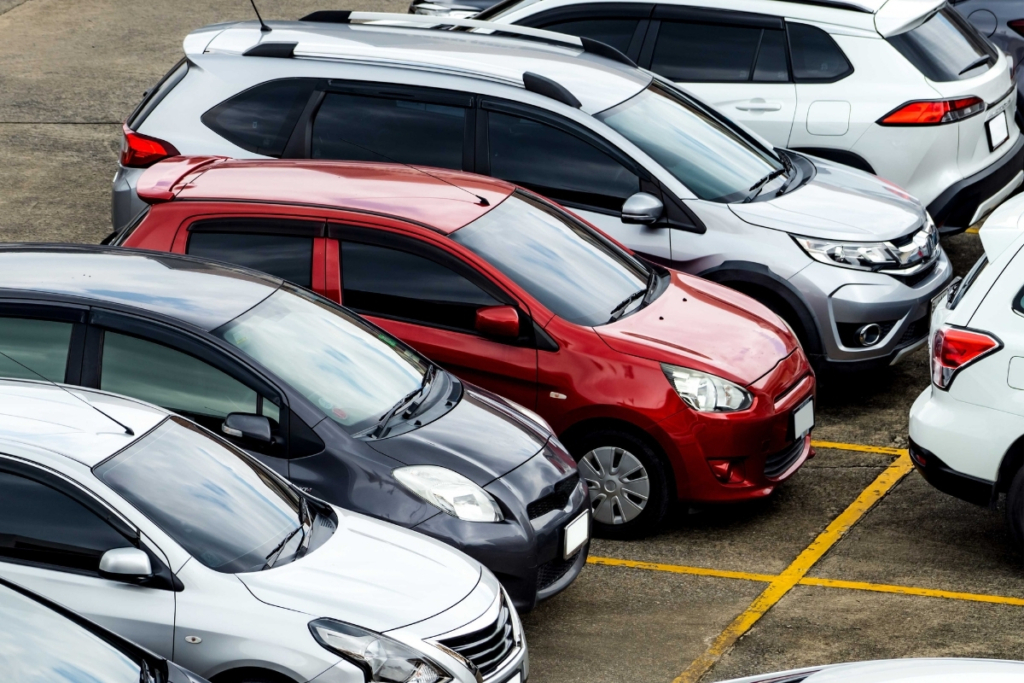

Türkiye’s automotive industry is shifting gears once again. According to July 2025 data released by the Automotive Distributors and Mobility Association (ODMD), both automobile and light commercial vehicle (LCV) sales in Türkiye have continued their upward trajectory, signaling strong consumer demand, evolving mobility preferences, and a rising appetite for electric and SUV models.
In the January–July 2025 period, total passenger car sales rose by 6.68%, reaching 572,198 units, while LCV sales increased by 5.77%, totaling 143,497 units. Combined, the Turkish auto market hit 715,695 units, reflecting a 6.5% overall growth compared to the same period in 2024.
This robust performance was mirrored in July alone, with total auto and LCV sales jumping 14.55% year-over-year to reach 107,718 units. Passenger car sales accounted for 84,195 of these vehicles, marking a 14.71% increase, while LCVs contributed 23,523 units — a 13.96% rise.
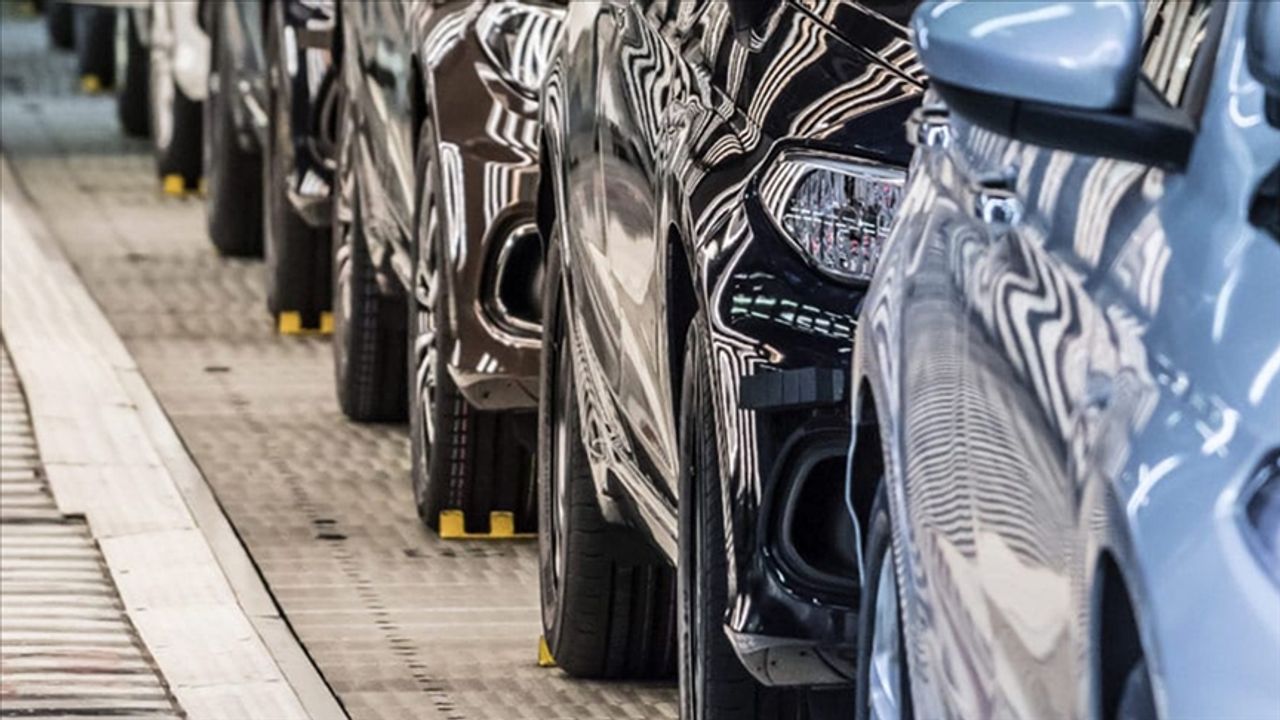
Low-Tax Segments Dominate Market Share
Türkiye’s automotive landscape continues to be shaped by taxation policies, with the A, B, and C segments — which enjoy lower tax rates — making up 81.5% of the total market.
The C segment led the charge with 318,343 vehicles sold, representing 55.6% of total car sales. This was followed by the B segment, which sold 145,595 units, accounting for 25.4% of the market.
SUVs Reign Supreme in Body Style Preferences
In terms of body types, SUVs have officially cemented their dominance as Türkiye’s preferred vehicle design. With 357,984 SUV units sold, this category now holds 62.6% of the market.
Sedans came in second with 126,928 units sold, representing 22.2%, while hatchbacks (H/B) followed with 82,184 units, or 14.4% of the market. These figures reflect not only consumer preference for higher-riding, spacious vehicles but also global trends that continue to influence the Turkish automotive buyer.
Fuel Preferences Shift Toward Electrification
Perhaps the most notable transformation is in fuel type preferences, with electric and hybrid vehicles steadily gaining ground against traditional gasoline and diesel models.
Gasoline-powered cars still lead with 266,095 units sold and a 46.5% market share
Hybrid vehicles are close behind, totaling 153,363 units (26.8% share)
Electric vehicles (EVs) saw a surge, selling 103,310 units and capturing 18.1% of the market
Diesel cars trailed at 45,678 units (8% share)
LPG-powered vehicles had the smallest presence with 3,752 units, or just 0.7%
These numbers reveal a clear acceleration in Türkiye’s transition toward cleaner mobility, in line with global sustainability goals and consumer interest in lower-emission alternatives.
Electric Vehicle Sales See Triple-Digit Growth
EVs saw explosive growth, especially in the 160 kilowatt (kW) and below category, which recorded a 108.6% year-over-year increase and now represents 14% of the EV market.
Meanwhile, EVs above 160 kW saw even higher growth — a staggering 233.2% increase, now holding 4.1% of the EV market. These statistics signal a growing consumer appetite not only for electric powertrains but also for high-performance electric vehicles.
Engine Size Trends Reflect Changing Priorities
The market also reflected a change in consumer preference regarding engine displacement:
Cars under 1600cc saw a 23.6% decline, but still maintained the largest share with 54.3%
The 1600cc–2000cc range saw a 4.9% increase, with 0.6% share
Vehicles over 2000cc posted an 18.8% increase, though they only represented 0.2% of total sales
These shifts suggest a gradual movement away from smaller-displacement engines, likely due to the influence of electric and hybrid alternatives offering similar or better performance.
Automatic Transmissions Now the Norm
In terms of transmission, automatic vehicles now completely dominate the Turkish auto market:
Automatic transmission vehicles made up 94.6% of all car sales with 541,388 units
Manual transmission cars accounted for just 5.4%, with 30,810 units sold
The growing preference for automatic transmissions reflects not only urban driving demands but also the increasing prevalence of EVs and hybrids, which typically operate without traditional manual gearboxes.
Light Commercial Vehicle Trends: Vans in the Lead
Within the light commercial segment, van-type vehicles continued to hold the largest market share:
Vans accounted for 72.7%, or 104,271 units
Pickup trucks (kamyonet) followed with 9.9%, totaling 14,178 units
These figures emphasize the functional utility of vans in Türkiye’s logistics and service-based sectors, where flexible cargo space and fuel efficiency are key factors.
What These Trends Reveal About the Turkish Market
The latest data from ODMD paints a picture of a market in dynamic transition. Traditional vehicle types like sedans and diesel-powered models are slowly ceding ground to SUVs, electric vehicles, and hybrid technologies.
The shift is being driven by policy incentives, changing consumer lifestyles, and growing environmental consciousness. It’s also reinforced by the presence of affordable electric options and government strategies aimed at boosting local EV production.
As the remainder of 2025 unfolds, all eyes will be on:
How Turkish automakers and importers adjust to meet rising demand for electrified vehicles
Whether infrastructure developments (such as charging stations) can keep pace with EV adoption
The ongoing impact of global supply chain fluctuations and local economic variables on pricing and availability
One thing is certain: Türkiye’s automotive market is no longer just about combustion engines and compact sedans. It’s about mobility, modernization, and momentum — and 2025 may be remembered as the year the shift accelerated.