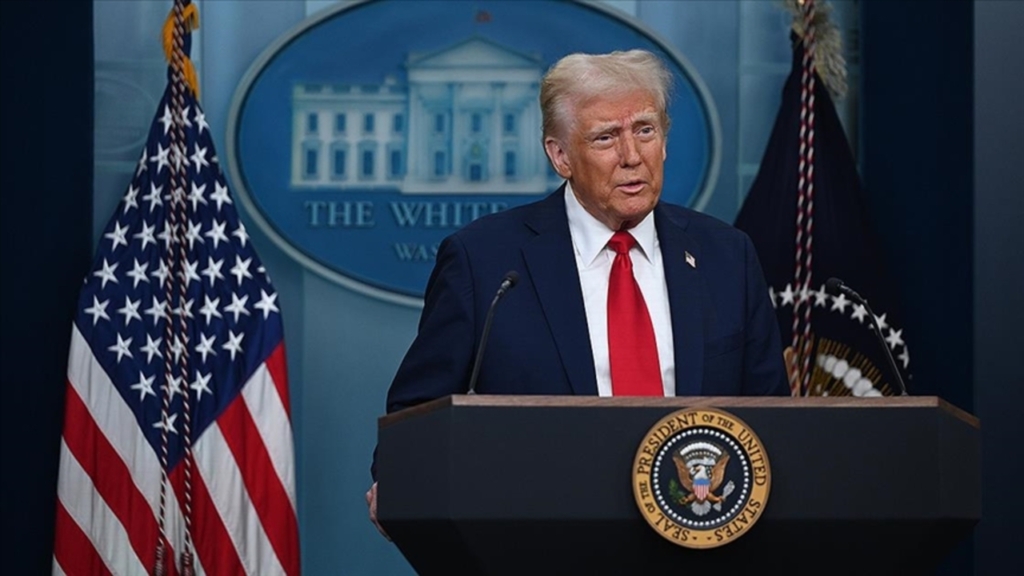

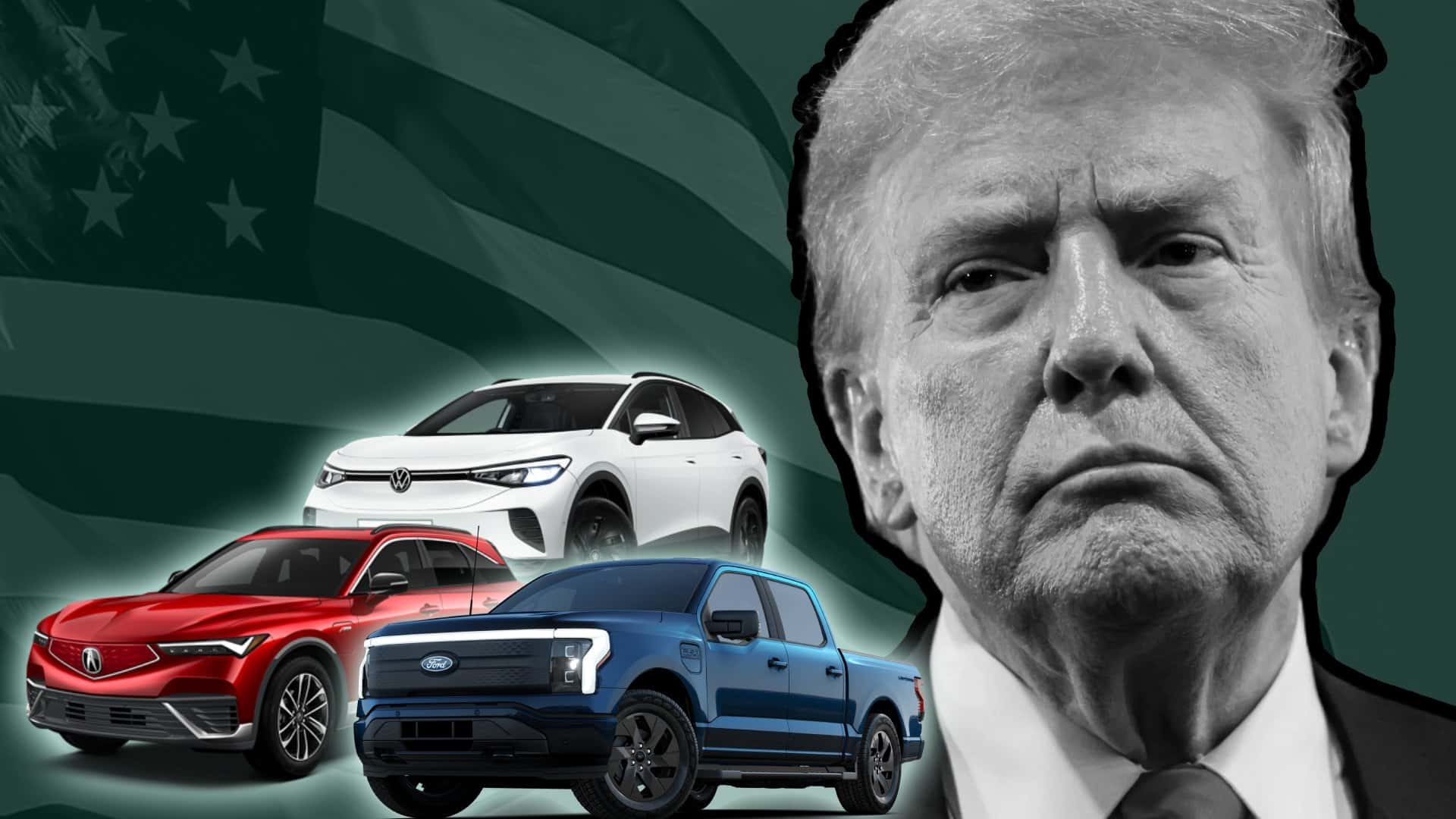
The reintroduction of steep import tariffs under former US President Donald Trump’s trade policy is sending shockwaves through the global automotive market, with recent data revealing an estimated $12 billion in total losses for the industry. Among the hardest-hit companies are Toyota and Volkswagen, whose export-dependent business models have been severely disrupted.
The tariffs, which have become a focal point of Trump’s economic agenda following his return to political prominence, apply not only to electric vehicle manufacturers but also to traditional automakers producing internal combustion engine vehicles. The most damaging measure is a 15% additional customs duty targeting Japanese and European automakers selling into the US market.
Toyota’s strategy of absorbing losses
Toyota, one of the largest foreign automakers in the United States, chose to absorb the extra costs rather than pass them on to consumers. By keeping prices stable, the brand aimed to maintain its market share and competitiveness in a challenging climate.
While this approach helped Toyota achieve a 6% increase in US sales, it came at a heavy cost — the company recorded a $3.06 billion loss over the period, and its net profit declined by 40%. Analysts note that such a strategy is sustainable for a conglomerate the size of Toyota, but even for them, prolonged losses could pressure future investment plans.
Volkswagen’s financial setback
Volkswagen, another global giant heavily reliant on exports to the US, reported $1.6 billion in losses directly linked to the tariffs. Like Toyota, the German automaker has explored ways to reduce costs, including relocating some production to North America. However, these moves require significant capital and cannot offset the immediate financial impact.
Both Toyota and Volkswagen illustrate the core dilemma for foreign manufacturers in the US market: raising prices risks losing customers to rivals, while holding prices steady erodes profitability.
Smaller brands face existential risk
While major players can weather temporary losses, smaller Japanese automakers such as Mazda and Subaru face a far more precarious situation. Their lower production volumes and narrower profit margins make it difficult to absorb the added costs.
Industry experts warn that if the tariffs remain in place for an extended period, these smaller brands may see their presence in the US market significantly reduced or even face withdrawal scenarios. This would not only reshape brand competition but also limit consumer choice in certain vehicle segments.
Domestic manufacturers not immune
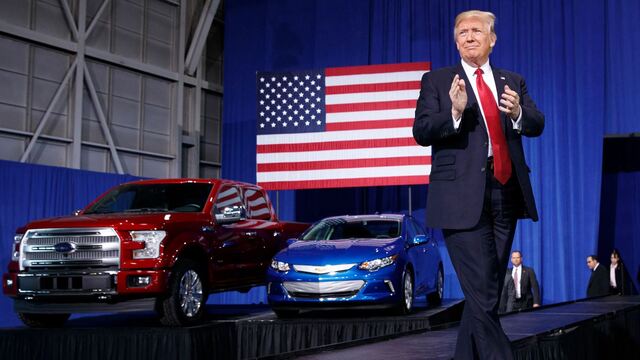
Although the tariffs are framed as a tool to promote domestic manufacturing and strengthen the US economy, the policy has also had negative consequences for American automakers.
General Motors, for example, reported around $1.1 billion in losses during the same period, as higher costs rippled through production and supply chains. US manufacturers still rely on imported parts and materials, meaning tariffs can increase expenses even for companies producing vehicles domestically.
The combination of higher component prices and disrupted supply chains has forced some American automakers to raise vehicle prices, further fueling inflation in the consumer market.
Supply chain pressure and long-term concerns
The automotive industry operates on a globalized supply chain, where components cross multiple borders before final assembly. Tariffs disrupt this delicate balance, causing ripple effects in logistics, sourcing, and manufacturing schedules.
For example, a component manufactured in Japan might be shipped to Mexico for assembly before final integration into a US-built vehicle. Each border crossing under tariff rules increases costs, reduces efficiency, and complicates planning.
Industry analysts argue that if tariffs remain in place, more automakers will attempt to onshore or nearshore production. While this could eventually boost domestic manufacturing, in the short term, it increases capital expenditure and risks job cuts in overseas facilities.
Impact on consumers
For US car buyers, the tariff policy has already translated into higher prices across multiple vehicle segments. Even brands that absorb the extra costs often limit promotional offers or delay new model launches to protect their bottom line.
The loss of smaller foreign brands in the US market could also reduce competition, leading to less variety and potentially higher average prices in the long term.
A political and economic balancing act
Supporters of the tariffs argue that they protect American jobs, incentivize local manufacturing, and level the playing field against foreign competitors benefiting from lower labor costs.
Critics counter that the policy harms both US consumers and manufacturers by raising prices, disrupting supply chains, and reducing overall competitiveness. They point to the current $12 billion industry loss figure as evidence that the measures are too blunt an instrument to achieve their goals without collateral damage.
Outlook for the automotive sector
If Trump maintains or even expands the tariff policy, analysts expect the following trends:
Increased investment in US-based assembly plants by foreign automakers.
Possible consolidation among smaller brands struggling to compete.
Higher vehicle prices across the board.
Accelerated shift toward sourcing parts domestically, even at higher costs.
The coming months will be critical as manufacturers finalize their production and pricing strategies for the next model year. With consumer demand already under pressure from economic uncertainty, the industry faces the challenge of maintaining sales momentum while navigating one of the most complex trade landscapes in recent history.