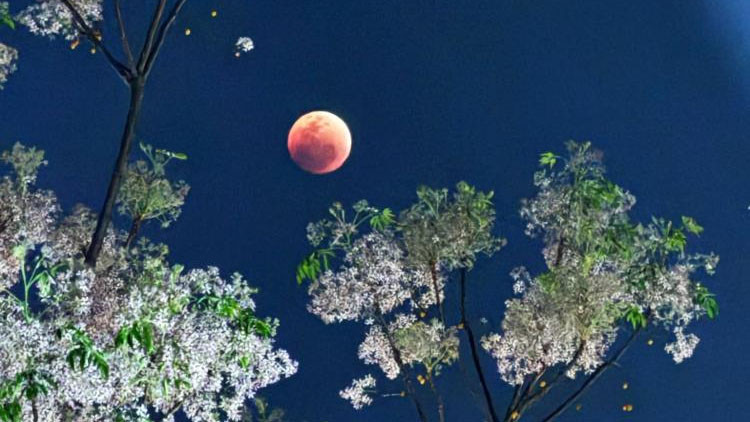

A spectacular celestial event unfolded as a total lunar eclipse, commonly referred to as a “Blood Moon,” lit up the skies across multiple continents. During this rare phenomenon, the Moon passed entirely into Earth’s shadow, taking on striking shades of red and orange that enchanted skywatchers around the globe.
Visible from Türkiye as well as vast parts of Europe, Asia, Africa, and Australia, the event drew the attention of amateur astronomers, photographers, and ordinary observers alike. In rural areas with minimal light pollution, the Moon’s transformation into a glowing crimson orb was particularly vivid, offering an unforgettable natural spectacle.
Why the Moon Turns Red During an Eclipse
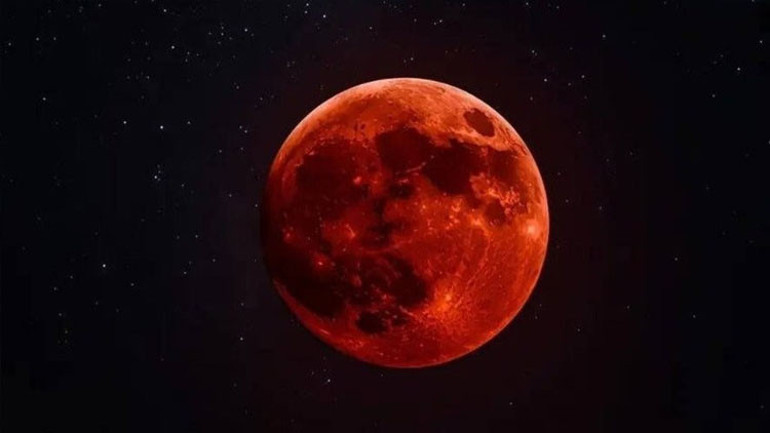
The “Blood Moon” effect occurs when Earth positions itself directly between the Sun and the Moon, blocking direct sunlight from reaching the lunar surface. Instead, sunlight filters through Earth’s atmosphere, scattering shorter wavelengths like blue and green while allowing red and orange tones to reach the Moon.
This scattering process, known as Rayleigh scattering, is the same reason why sunsets and sunrises often glow in red hues. During a total lunar eclipse, the Moon essentially reflects Earth’s filtered light, resulting in the hauntingly beautiful crimson glow that observers describe as both eerie and awe-inspiring.
A Global Celestial Performance
The recent lunar eclipse was widely documented across continents. In Türkiye, astronomy enthusiasts gathered at observatories and open fields to witness the event, while social media flooded with breathtaking images. In Africa and Asia, clear skies provided excellent visibility, and in parts of Australia, families stepped outside their homes to watch the Moon’s transformation.
For many, such cosmic events are not only scientific phenomena but also carry cultural and emotional significance. Throughout history, lunar eclipses have inspired myths, rituals, and artistic interpretations, often seen as signs of renewal, mystery, or cosmic alignment.
The Next Total Lunar Eclipse in 2026
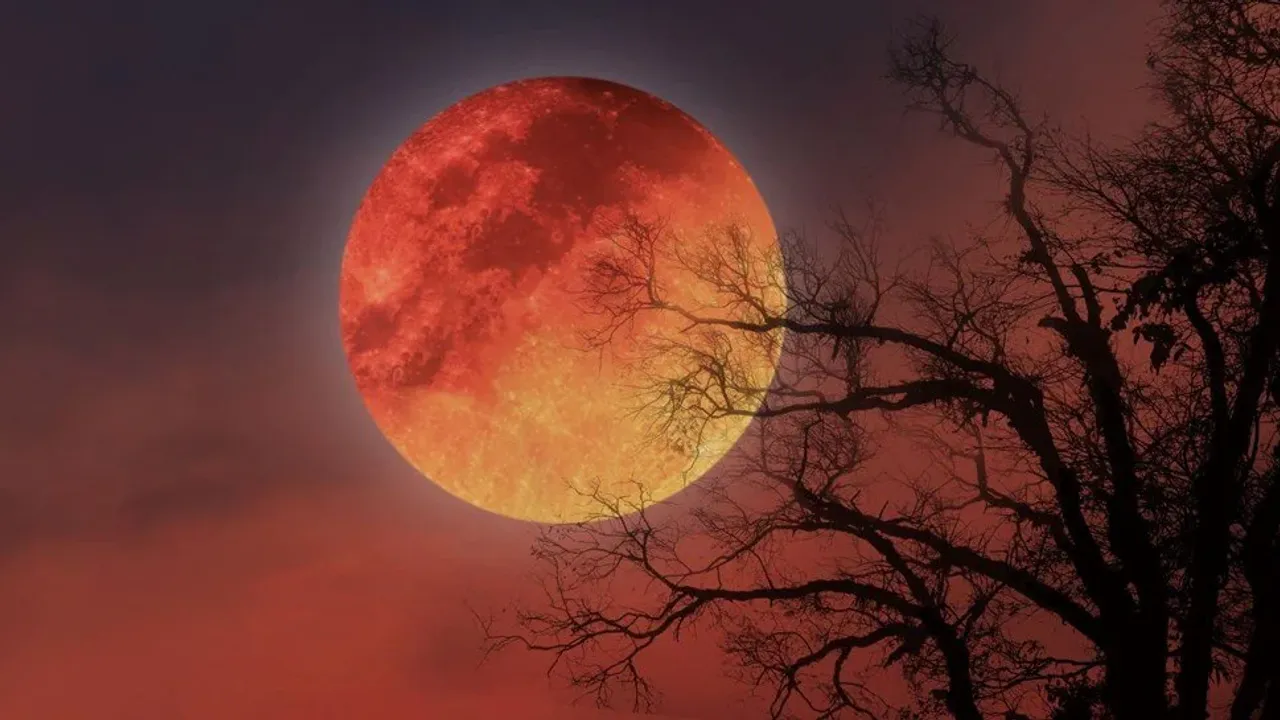
While partial and penumbral lunar eclipses occur more frequently, the next opportunity to witness a full Blood Moon will not come until March 2–3, 2026. According to astronomers, this eclipse will be visible across a vast stretch of the globe including Eastern Europe, Asia, Australia, North and South America, and much of the world’s oceans from the Pacific to the Atlantic and Indian, extending even to the Arctic and Antarctic regions.
This wide visibility will make it one of the most anticipated celestial events of the decade, with stargazers already marking their calendars for the occasion.
Why Events Like This Matter
Astronomical events such as total lunar eclipses remind us of the vastness of the universe and the delicate mechanics of celestial motion. They inspire curiosity, scientific exploration, and cultural imagination. In an age dominated by technology and daily pressures, a Blood Moon offers people across the world a chance to pause, look up, and share in a moment of wonder that transcends borders.
Editor’s Note
Watching the Moon turn red over Türkiye was a humbling experience. It served as a reminder that, despite our differences, humanity shares the same sky. The anticipation for the 2026 eclipse is already building, promising another moment where millions across the world will once again look upward in awe.