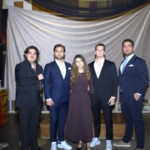

Türkiye has taken a significant step in promoting its vibrant cultural scene to the world with the inauguration of the first Contemporary Turkish Art Summer School, organized by the Yunus Emre Institute. The program, which began in Istanbul and continued in Ankara, is offering a unique experience to a group of international participants seeking a deeper understanding of Türkiye’s modern and contemporary art landscape.
Bringing together curators, art historians, and cultural professionals from different countries, the program aims to build cultural bridges through art, academic dialogue, and on-site visits to some of Türkiye’s most important art institutions. Over 12 days and across three major cities—İstanbul, Ankara, and Eskişehir—the participants are immersing themselves in Türkiye’s artistic evolution from the Ottoman Empire to the contemporary era.
A Journey Through Türkiye’s Artistic Transformation
The summer school began in İstanbul, where participants visited over a dozen leading art institutions. These included İstanbul Modern, the Painting and Sculpture Museum of Mimar Sinan Fine Arts University (MSGSÜ), Arter, Pera Museum, SALT Beyoğlu, Sakıp Sabancı Museum, Borusan Contemporary, Akbank Sanat, Anna Laudel Gallery, Kasa Galeri, and ArtIstanbul Feshane. Each location offered curated tours, curatorial briefings, and interactive discussions designed to place Türkiye’s modern art in a historical and cultural context.
From installations to photography, and from Ottoman-inspired abstraction to postmodern visual languages, the group was introduced to a spectrum of artistic approaches that define the country’s contemporary cultural identity.
Ankara Segment Highlights Institutional Dialogue and Architecture
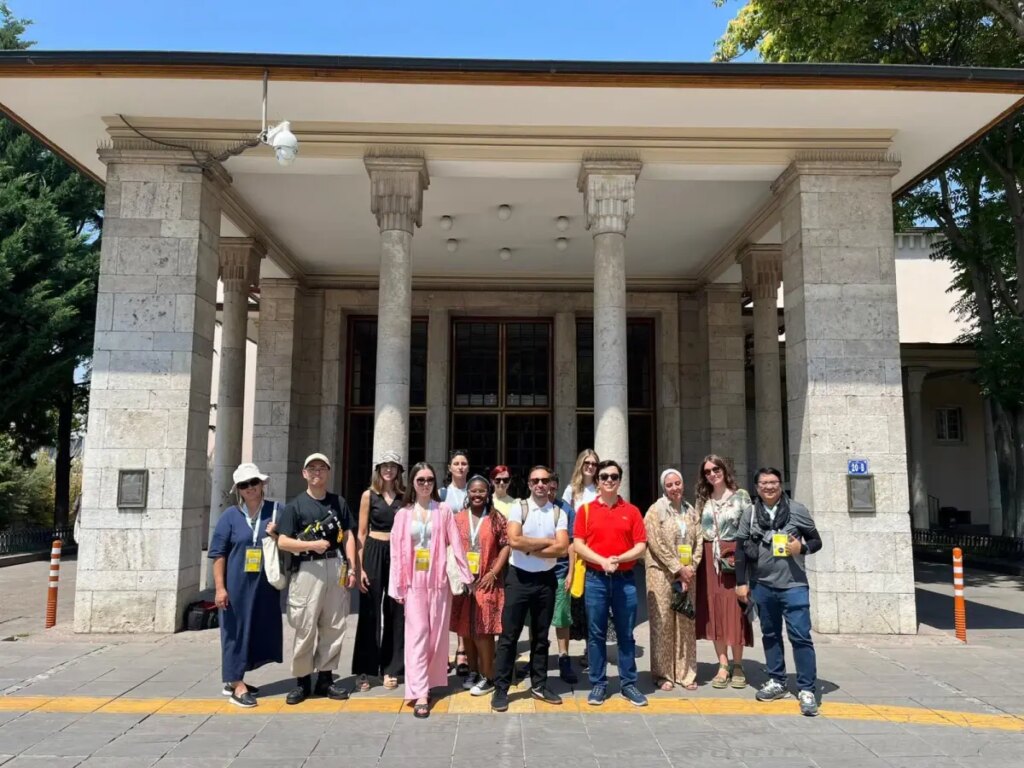
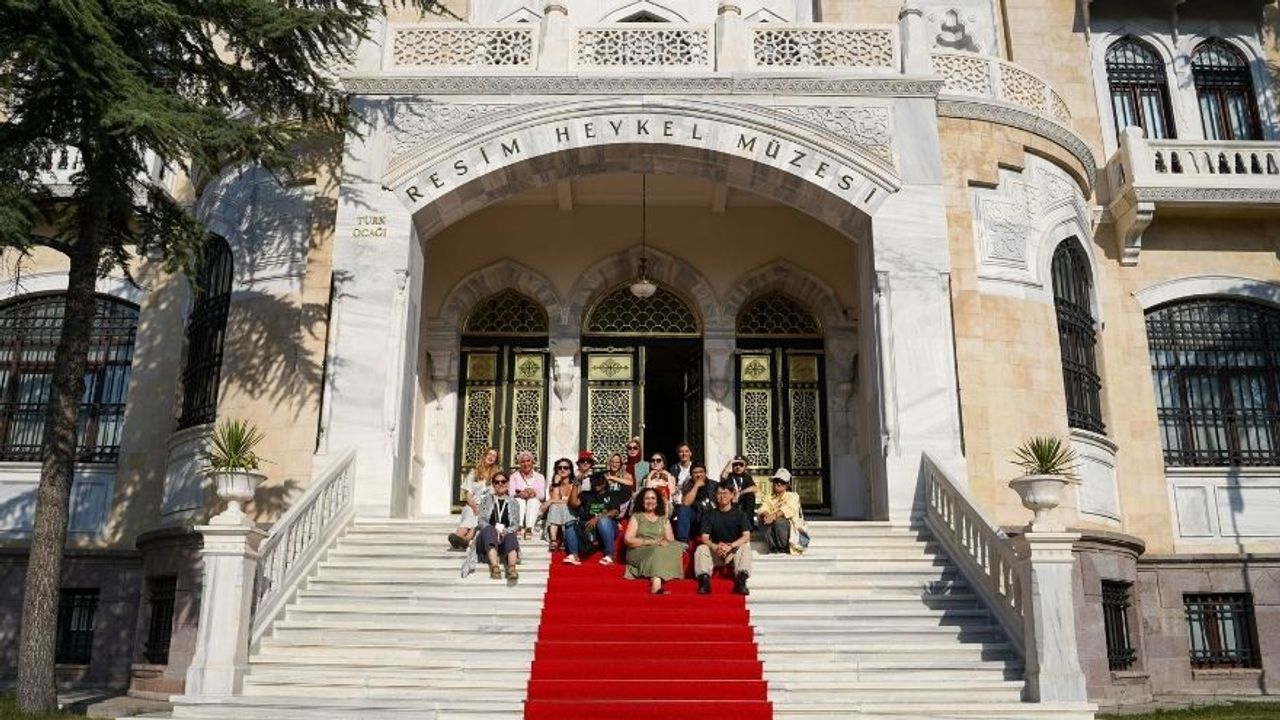
After completing the İstanbul program, the group traveled to Ankara for the second stage of the summer school. The capital city brought a more institutional and political dimension to the participants’ understanding of Turkish art. Visits to CerModern and the Ankara Painting and Sculpture Museum were supplemented with academic seminars and architectural tours.
Dr. Dilek Karaaziz Şener led a key session titled “Re-reading the History of Art in Türkiye Through the Ankara Painting and Sculpture Museum,” which analyzed how museum collections can serve as tools for cultural historiography. The group also toured the First National Architectural Movement buildings in the Ulus district, including the iconic State Opera and Ballet building, an early Republican-era project that illustrates Türkiye’s modern architectural ambitions.
One of the program’s symbolic highlights is the visit to Anıtkabir, the mausoleum of Mustafa Kemal Atatürk, where participants will analyze its significance as a modern architectural and ideological monument.
Final Stop in Eskişehir – A Modern Artistic Hub
The summer school’s final destination will be the Odunpazarı Modern Museum in Eskişehir, scheduled for July 29. The museum is an architectural marvel designed by renowned Japanese architect Kengo Kuma and serves as a beacon for contemporary art in central Türkiye. It houses rotating exhibitions from both Turkish and international artists and stands as a key example of urban revitalization through cultural investment.
Eskişehir, often dubbed Türkiye’s most youthful and creative city, will offer participants an understanding of how contemporary art is used as a civic tool for cultural engagement and urban identity.
Voices from the Program – International Participants Reflect
The summer school attracted participants from various countries, all of whom brought unique professional and cultural perspectives to the program.
Katie Bone, a curator and art communications expert from the United Kingdom, described her experience as eye-opening. “I had previously attended a cultural diplomacy event in London where I met the director of the Yunus Emre Institute,” she explained. “When I told him how much I loved İstanbul and Turkish culture, he recommended this program to me. It has been incredible. From the Byzantine and Ottoman eras to the Republic and contemporary times, we were introduced to the full artistic spectrum. I feel like I am returning to the UK with a suitcase full of knowledge and inspiration. Learning about different cultures truly expands your worldview. I absolutely recommend this experience to anyone.”
Another participant, Polina Liubimova, an Islamic Arts specialist at the Hermitage Museum in Russia, shared her enthusiasm. “Although I’m based in Ankara, I came to this program as an art historian primarily focused on classical Ottoman art. This experience has allowed me to delve into contemporary Turkish art, especially the post-1950 period, which was new to me. It’s been a deeply enriching and rewarding journey. I’m also interested in archaeology, so I hope to join more programs like this in the future.”
Why This Program Matters – The Role of Cultural Diplomacy
The Contemporary Turkish Art Summer School is part of a broader strategy by the Yunus Emre Institute to use cultural diplomacy as a means of fostering international understanding. By providing immersive and intellectually rigorous programs, the institute seeks to go beyond surface-level engagement and build lasting connections through shared cultural experiences.
Türkiye, as a country that bridges East and West, has a unique position in global art history. Initiatives like this summer school not only educate but also position Türkiye as a thought leader in contemporary cultural production and interpretation.
The integration of seminars, site visits, and artistic dialogue helps dismantle stereotypes and encourages deeper inquiry into the philosophical and sociopolitical underpinnings of Turkish art. By inviting professionals from across the globe, the program builds a network of informed cultural advocates who can interpret and present Türkiye’s contemporary art narrative to their home audiences.
A Model for Future Programs
The success of the first Contemporary Turkish Art Summer School sets a strong precedent for future editions. It demonstrates the effectiveness of hybrid models that combine academic rigor with experiential learning, offering participants a holistic understanding of art as both a reflection and an agent of cultural change.
Given the overwhelmingly positive feedback from this year’s attendees, the Yunus Emre Institute is expected to expand the program in coming years, possibly including more cities, specialized tracks, or collaborations with additional institutions.
Conclusion – Art as a Medium for Connection and Discovery
Through visits to leading museums, galleries, and architectural landmarks, and via discussions with curators, artists, and scholars, participants of the Contemporary Turkish Art Summer School have gained more than just knowledge—they have gained insight, perspective, and connection.
This initiative is a timely reminder that art is not just an aesthetic endeavor, but also a powerful tool for cultural diplomacy, education, and international cooperation. As Türkiye continues to invest in cultural outreach, programs like this will remain vital channels for telling its story to the world.