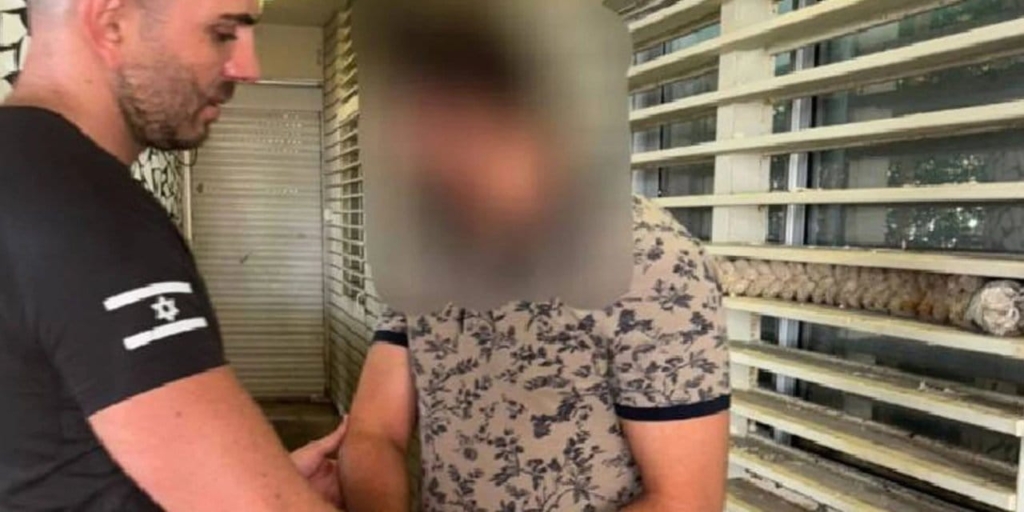

A staff member of the Turkish Embassy in Israel has been arrested in Tel Aviv following serious allegations involving inappropriate conduct at a public beach. According to reports from Israeli media, including The Jerusalem, the incident occurred on Friday afternoon at Frishman Beach, one of the city’s most popular waterfronts. The individual, identified as O.K. (29), is accused of secretly filming women, including a 13-year-old girl, in a designated women’s changing cabin.
The report has sparked both diplomatic concern and public outrage, as details continue to emerge about the case. It remains unclear whether the suspect was acting independently or whether there are broader implications. Nevertheless, the arrest has already led to legal proceedings and diplomatic conversations between Israeli and Turkish officials.
Emergency Call and Immediate Response
The incident came to light after an emergency call was made to the Israeli police’s hotline on Friday, alerting authorities to suspicious behavior inside a women’s changing area. Witnesses reported that a man had entered the space and appeared to be filming minors and women without consent.
Responding quickly, officers from Tel Aviv’s Central Station and members of the Special Patrol Unit were dispatched to the scene. The suspect was apprehended shortly thereafter while still on the beach. Upon verification, authorities identified the man as a member of the Turkish Embassy’s local staff.
Witness Statements and Legal Process
According to Israeli media, three women have come forward to provide testimony against the suspect. Their statements have been taken into official records, and law enforcement has launched an investigation into the suspect’s actions and motivations.
Following the arrest, O.K. was brought before the Tel Aviv Magistrates’ Court on Saturday evening. The court extended his detention until July 28, pending further investigation. The judge reportedly considered the seriousness of the accusations and the potential risk of flight before issuing the extension.
Diplomatic Request for House Arrest Denied
Sources in the Israeli press also reported that the Turkish Consul in Tel Aviv requested that the suspect be transferred to house arrest within the Turkish Embassy compound. However, the court denied this request, citing legal precedent and concerns over jurisdictional oversight.
This denial has raised further questions about how the case will be handled diplomatically. Embassy compounds are typically considered sovereign territory under the Vienna Convention, but the alleged crime occurred in a public space under Israeli legal jurisdiction.
Diplomatic Immunity Not Yet Invoked
As of now, Israeli authorities have not confirmed whether the suspect enjoys full diplomatic immunity, which could complicate legal proceedings. While certain embassy employees benefit from limited immunity under international law, not all staff members are protected from criminal prosecution, especially local hires or those without diplomatic credentials.
Türkiye’s Foreign Ministry has not yet issued an official statement regarding the arrest. However, observers expect that the situation will prompt careful diplomatic discussions in the coming days, particularly if formal charges are filed.
Public Reaction and Media Coverage
The incident has received considerable attention in both Israeli and Turkish media. Frishman Beach is a well-known and family-friendly area, frequented by locals and tourists alike. The allegations have therefore sparked concern about privacy and security in public facilities.
In Türkiye, reactions on social media were swift and divided. While many users condemned the alleged behavior and demanded a thorough investigation, others urged caution, emphasizing the importance of due process and the presumption of innocence until proven guilty.
Human rights and child protection organizations in Israel have also commented on the matter, stressing the need for strict enforcement of privacy laws and proper safeguarding of minors in public spaces.
Legal and Diplomatic Complexities
This case underscores the often-complicated intersection of law and diplomacy. While Israel maintains full jurisdiction over crimes committed within its territory, the involvement of an embassy staff member introduces additional layers of complexity. If Türkiye were to invoke diplomatic immunity for the suspect, the Israeli judiciary would be forced to suspend prosecution unless the immunity is waived.
However, legal experts suggest that since the individual was apprehended in a civilian capacity, and the nature of the accusations involve the public and potential minors, immunity claims may be limited or denied outright.
Potential Consequences and Next Steps
If the investigation confirms the allegations and the court determines that there is sufficient evidence to proceed, the suspect could face charges related to voyeurism, invasion of privacy, and offenses against minors—crimes that carry significant penalties under Israeli law.
Should Türkiye intervene diplomatically, either to negotiate a transfer or to request jurisdiction over its employee, the matter could evolve into a bilateral issue requiring high-level negotiations. Previous international cases involving embassy personnel have shown that such incidents can quickly escalate into diplomatic crises if not handled delicately.
Conclusion
The arrest of a Turkish Embassy staff member in Tel Aviv over allegations of secret filming in women’s changing facilities has cast a shadow over diplomatic relations between Türkiye and Israel. As legal proceedings continue, the case will test the limits of diplomatic immunity, raise questions about legal accountability for foreign officials, and spotlight the importance of safeguarding privacy in public spaces.
Whether this remains an isolated incident or becomes a flashpoint in Türkiye–Israel relations will depend heavily on the results of the ongoing investigation and the responses from both governments in the days ahead.