
Tensions Boil Over in Suwayda
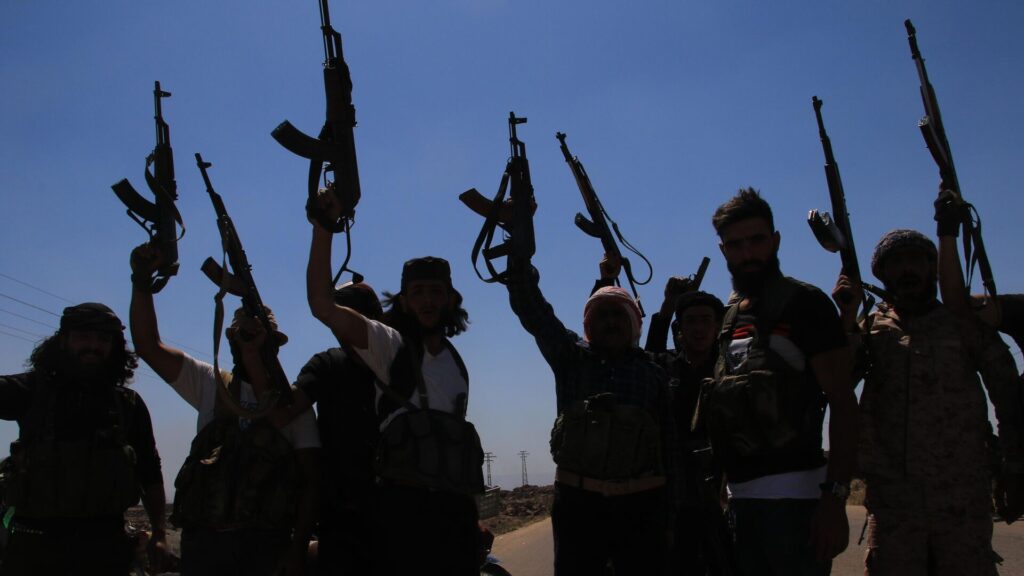
The province of Suwayda, a relatively quiet corner of southern Syria, has erupted into violence once again. Following reports that pro-Assad forces withdrew from the area, intense fighting has resumed between Druze militias and Bedouin Arab tribes.
Simultaneously, Israel conducted a series of powerful airstrikes targeting key military and government sites in Damascus and Daraa, adding fuel to an already volatile mix.
This surge in violence places the region’s delicate balance at serious risk, and could have wide-reaching implications not only for Syria but for regional stability across the Levant.
The Local Conflict: Arab Tribes vs. Druze Fighters
The Fight for Control in Suwayda
On July 13, small-scale confrontations broke out between Druze armed groups and Bedouin Arab tribes, known for their extended networks across southern and eastern Syria. Initially minor, the clashes quickly escalated when Syrian government forces intervened.
However, in an unexpected development on July 17, reports emerged that Assad’s military units had pulled back from strategic areas in Suwayda. This vacuum created fertile ground for renewed hostilities.
Tribal Mobilization in Full Force
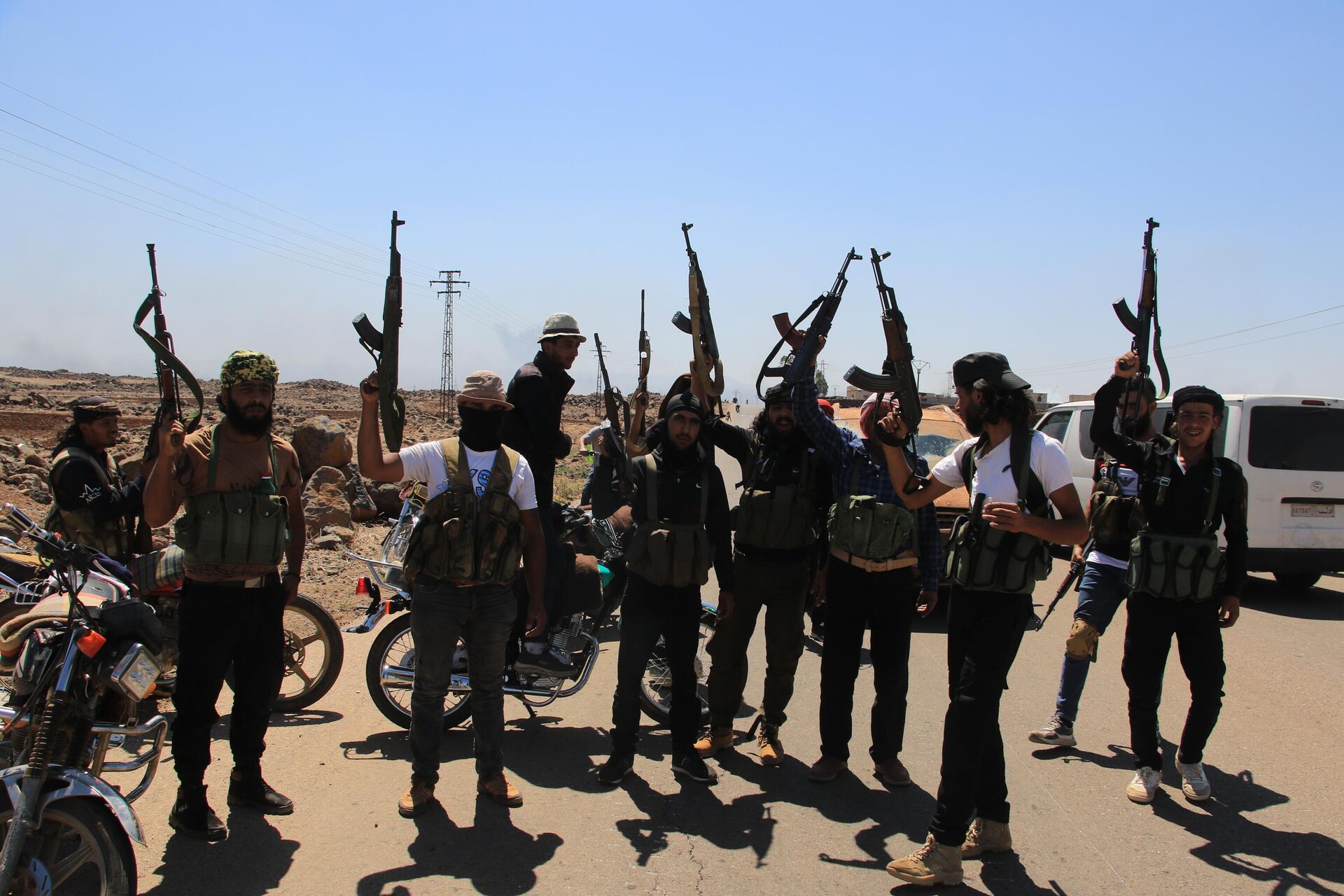
Arab tribal fighters, some of whom traveled from Deir ez-Zor, Raqqa, and Homs, reinforced local Bedouin factions. With superior numbers and battlefield momentum, they were able to regain control of several settlements, reaching the western entrance of Suwayda city.
“Hundreds of fighters arrived in a coordinated movement, showcasing a rare level of inter-tribal cooperation,” said a local analyst in Damascus.
The confrontation now rages at the western gate of the provincial capital, a sensitive choke point that could determine the fate of the conflict in the coming days.
Strategic Importance of Suwayda
Why This City Matters
Suwayda is home to the Druze minority, a community known for its unique religious identity and historic autonomy. Over the course of the Syrian civil war, the province has largely remained under local control, resisting both regime domination and extremist incursions.
But recent power struggles—fueled by militia rivalries, political disenfranchisement, and economic collapse—have destabilized the region. Now, Suwayda represents a flashpoint for ethnic, tribal, and geopolitical tensions in Syria.
Israel’s Role: Strikes on Strategic Targets
From Local Chaos to Regional Shockwaves
On the same day as the renewed ceasefire between Damascus and local forces, Israel launched a series of precise airstrikes targeting:
The Presidential Palace compound
The Syrian Armed Forces General Staff Headquarters
The Defense Ministry
While Israel has routinely targeted Iranian-linked positions within Syria, these latest attacks were among the most direct strikes against Syrian government infrastructure in recent memory.
Escalation or Preemptive Defense?
Tel Aviv has yet to issue a formal statement, but regional observers believe these attacks were preemptive in nature, aimed at thwarting Hezbollah logistics routes or preventing Iranian missile stockpiling.
Nevertheless, the timing of these strikes—coinciding with internal conflict in Suwayda—has raised eyebrows. Some analysts speculate that Israel may be attempting to exploit Assad’s vulnerabilities, reinforcing its own red lines amid growing Iranian entrenchment in southern Syria.
Wider Regional Implications
A Dangerous Web of Conflict
The convergence of local tribal warfare, sectarian militias, and international airstrikes makes Suwayda a symbolic battleground for the next phase of Syria’s war.
Turkey, Iran, and the U.S.
Turkey remains focused on northern Syria, yet Ankara closely monitors developments in Suwayda given potential refugee movements and security implications.
Iran may respond diplomatically or militarily, especially if its allies suffered losses in the Israeli raids.
The U.S., with a light military presence in the Al-Tanf region, might be pulled deeper into Syrian affairs if the conflict disrupts anti-ISIS operations.
Analysis: Is Assad Losing Grip Again?
Security Vacuum or Strategic Retreat?
The Syrian government’s pullback from Suwayda raises questions. Was it a tactical redeployment or a sign of waning control?
Several experts argue that Assad’s regime, already stretched thin, is prioritizing resources for more strategically vital areas like Damascus, Hama, and Aleppo. This leaves peripheral provinces vulnerable to both tribal militias and foreign influence.
If this pattern continues, a de facto partition of Syria could solidify, with tribal territories operating independently from Damascus.
Ceasefire Efforts and the Path Ahead
Can Peace Return to Suwayda?
Despite the flare-up, a fragile ceasefire was brokered late on July 17 between government forces and local groups. However, it does not extend to Arab tribes, who remain entrenched in key areas west of the city.
Conditions for Lasting Peace
A neutral mediation platform (possibly through Russia or Jordan)
Inclusion of local tribal leaders in ceasefire talks
Humanitarian aid corridors to prevent civilian casualties
An international commitment to de-escalation
On-the-Ground Perspectives
What Locals Are Saying
“We just want safety and the freedom to live. The regime left, and now we’re stuck between militias and bombs.”
— A Druze civilian, Suwayda
“The tribes came not to invade, but to protect our people in the countryside. We fight only when provoked.”
— Tribal commander from Dera’a
Syria’s Fragile South on the Brink
The ongoing conflict in Suwayda highlights the deep fractures that continue to plague Syria. With internal divisions growing and external actors like Israel reasserting their strategic interests, the road to peace remains perilous.
Still, the people of Suwayda, caught between power struggles, continue to demand peace, security, and dignity.