
In a remarkable twist during Tuesday night’s UEFA Champions League play-off return leg matches, Galatasaray managed to earn €640,000—without even setting foot on the pitch.
The financial windfall came not from matchday performances, but rather from a change in UEFA coefficient-based revenue distribution, triggered by surprising results in other games.
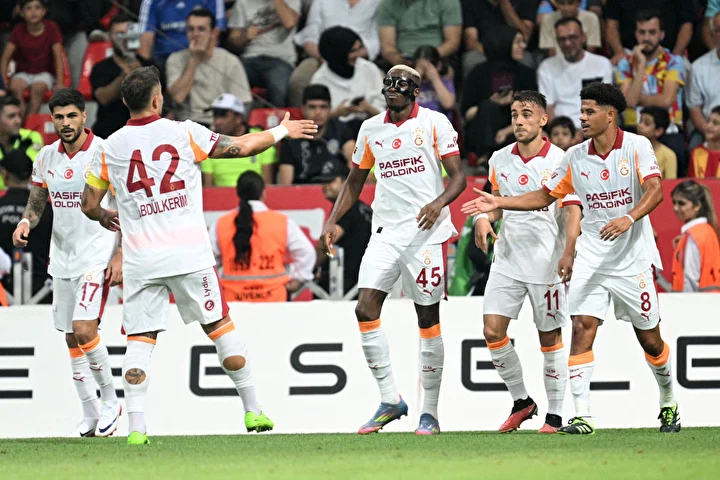
How It Happened: Upsets that Paid Off
Two unexpected victories in the play-off round reshaped the coefficient rankings, directly benefiting the Istanbul-based club:
Kairat, a team with a lower UEFA coefficient, eliminated Celtic, a club with a traditionally stronger European record.
Similarly, Pafos advanced by knocking out Red Star Belgrade (Crvena Zvezda).
Because both Kairat and Pafos have relatively low UEFA coefficients, their advancement in the tournament shifted the distribution of UEFA’s market pool and coefficient-based earnings.
This shift allowed Galatasaray to climb higher in the revenue-sharing table, earning €320,000 from each upset, resulting in a total gain of €640,000.
UEFA’s Coefficient-Based Prize System Explained
UEFA allocates a portion of Champions League revenue using a club coefficient system, which rewards long-term European performance. The better a team’s UEFA coefficient, the larger their share of this specific pool.
When higher-ranked teams are eliminated, clubs with better coefficients move up in the payout hierarchy—even if they didn’t play that matchday.
Galatasaray benefited directly because Celtic and Red Star Belgrade, both ahead of them in the coefficient order, were eliminated, opening more coefficient money to be redistributed among clubs like Galatasaray who now rank higher by comparison.

Financial Impact: Every Euro Counts
With football finances under increased scrutiny, especially after the pandemic and rising transfer market inflation, unexpected income such as this boosts Galatasaray’s balance sheet significantly.
€640,000 is equivalent to a player’s annual wage or a sizeable chunk of youth development investment.
Such windfalls also increase the club’s flexibility in the summer transfer window or infrastructure upgrades.
For a club aiming to remain competitive both domestically and in Europe, this form of passive revenue is not just a bonus—but a strategic asset.
Strategic Importance Beyond the Money
Aside from the direct financial benefit, these events also reinforce Galatasaray’s:
Prestige in European football, proving the long-term value of maintaining a high UEFA coefficient.
Commitment to consistent European presence, as the club continues to benefit even on nights when it doesn’t play.
Incentive to perform well in Europe regularly, since each season’s coefficient adds to the multi-year rolling total.
Looking Ahead
While Galatasaray prepares for their own challenges in the upcoming European fixtures, this passive gain is a reminder of the value of consistency and legacy in UEFA tournaments.
With more play-off and group stage matches on the horizon, similar financial opportunities may continue to emerge—especially if other low-coefficient teams cause more upsets.
It’s not every day that a club earns €640,000 in a single evening without playing, but for Galatasaray, Tuesday night proved that European football rewards smart, long-term performance—on and off the pitch.