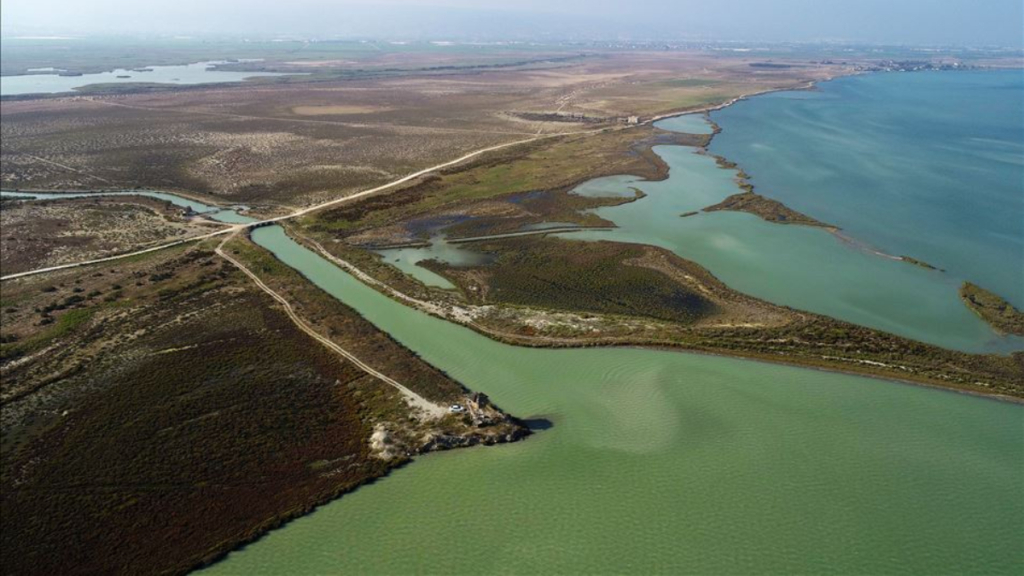

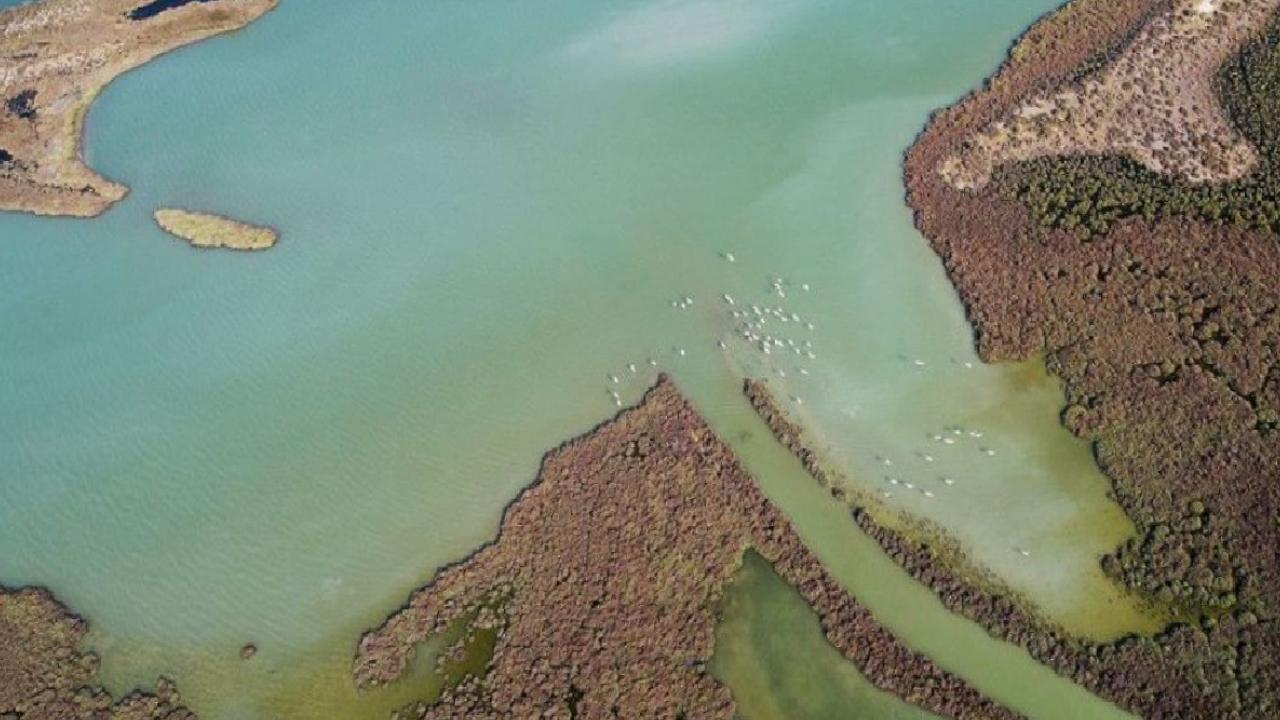
Nestled between Silifke and Taşucu on the southern Mediterranean coast, the Göksu Delta is widely regarded as one of Turkey’s most valuable natural areas. Stretching across 15,000 hectares, this rich ecosystem was formed by alluvial deposits carried by the Göksu River, which originates in the Taurus Mountains before emptying into the Mediterranean Sea. Today, the delta stands as a haven of biodiversity, home to rare plant species, migratory birds and endangered sea turtles, while playing a vital role in the global ecological balance.
Geographic Location and Landscape
Situated within the borders of Mersin’s Silifke district, the Göksu Delta lies at sea level, rising no more than five meters above it. It is framed by Erdemli to the east and Gülnar to the west, occupying a coastal corridor rich in natural diversity.
Its most notable water bodies include the Paradeniz Lagoon, Akgöl, Kuğu Gölü and Arapalanı lakes. Together, these create a mosaic of ecosystems where freshwater and saltwater habitats converge, forming one of Turkey’s most complex wetland landscapes.
Protected Status and International Recognition
The ecological importance of Göksu Delta was officially acknowledged in 1990 when it was declared a Special Environmental Protection Area by a Cabinet decision. Four years later, in 1994, it was added to the Ramsar List of Wetlands of International Importance, placing it under global conservation frameworks. This dual recognition underscores its significance not just for Turkey, but for the world’s environmental heritage.
Habitats and Rich Biodiversity
The delta hosts a remarkable variety of habitats: freshwater lakes, saline lagoons, reed beds, sand dunes, wet meadows and agricultural fields coexist in close proximity. Such ecological diversity allows for an extraordinary array of flora and fauna.
Approximately one-fifth of all plant species found on Turkey’s coastal sand dunes are present in the Göksu Delta, making it a key stronghold for the country’s botanical diversity. Many of these plants are rare or endemic, further highlighting the delta’s conservation value.
A Birdwatcher’s Paradise with 332 Species
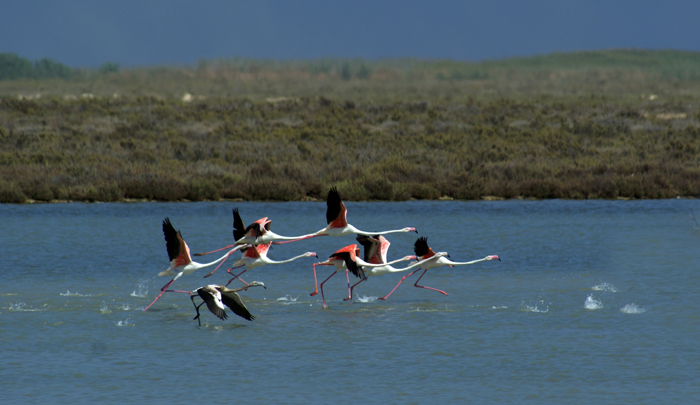
The Göksu Delta is one of the most significant bird habitats in Europe. So far, at least 332 bird species have been recorded in the area. Its location along one of Europe’s major migratory routes makes it an indispensable stopover and wintering ground for countless birds.
Flamingos, pelicans, cranes, eagles and herons are among the many species observed in the delta. During migration seasons, vast flocks fill the skies, turning the region into a spectacular natural theater for birdwatchers and wildlife enthusiasts from around the world.
A Sanctuary for Sea Turtles
The sandy beaches of the delta are also crucial breeding grounds for sea turtles, particularly the loggerhead turtle (Caretta caretta) and the green turtle (Chelonia mydas). Both species are globally threatened and rely heavily on Mediterranean nesting sites for their survival.
Paradeniz and Akgöl are especially important for turtle nesting, with conservation efforts focusing on protecting these beaches from human disturbance and habitat loss. The annual return of these creatures symbolizes the enduring natural cycle that the delta sustains.
Editorial Note
The Göksu Delta is far more than a regional treasure—it is a living laboratory of biodiversity and an irreplaceable part of global ecological networks. From its reed beds echoing with bird calls to its sandy shores where turtles nest, the delta represents the delicate harmony of life that depends on careful stewardship.
Safeguarding this unique environment requires continuous attention, sustainable management and respect for the balance between human activity and nature. In preserving Göksu, Turkey is also protecting a vital piece of the planet’s shared heritage.