
While much of Türkiye is baking under summer temperatures that often exceed 35 degrees Celsius, the beachgoers in Bartın, a northern province along the Black Sea coast, are facing a surprising paradox — icy seawater beneath a sweltering sky.
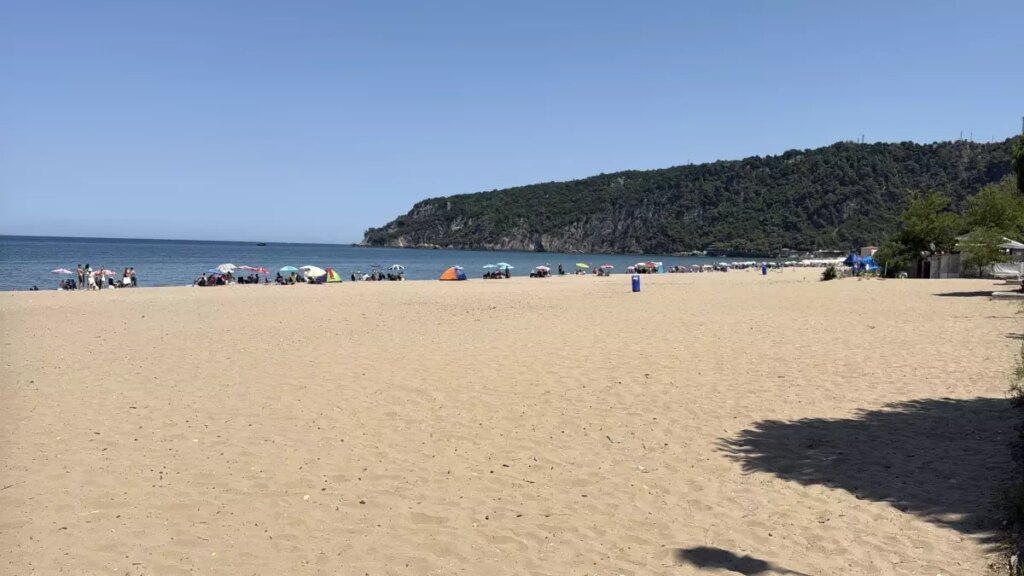
At İnkumu Beach, one of Türkiye’s prized Blue Flag beaches, the temperature on land soared to 36°C, accompanied by humidity levels nearing 70%. Yet, the sea temperature remained startlingly low at just 20°C, making it the coldest measured seawater in Türkiye according to the Turkish State Meteorological Service.
An Unexpected Chill on the Coast
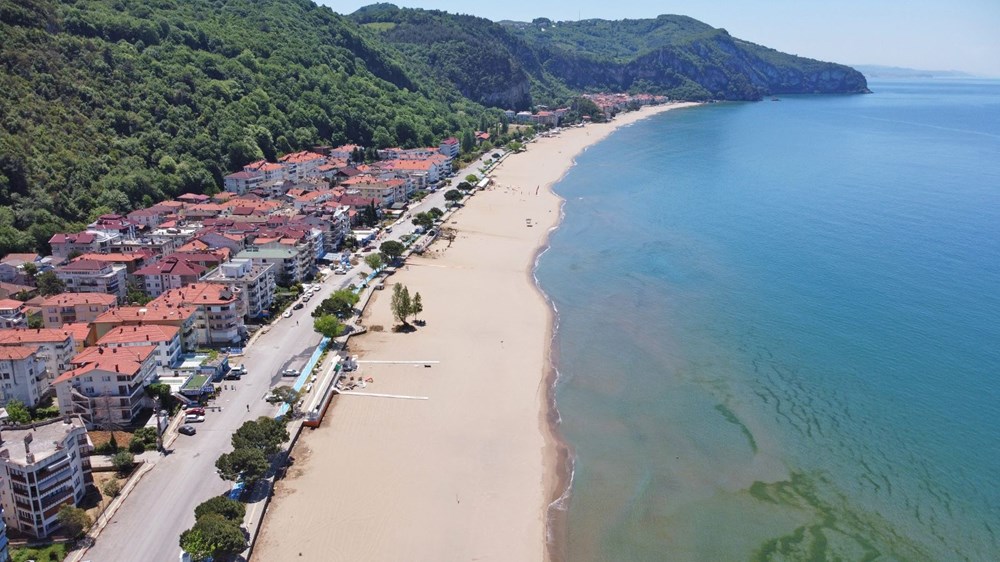
Located roughly 15 kilometers from the city center, İnkumu Beach stretches for 3 kilometers and is renowned for its cleanliness, soft golden sands, and gentle waves. It regularly attracts both local and international visitors looking for a tranquil seaside escape.
But this week, visitors were met with an unusual twist. Despite the hot and humid weather, the sea remained too cold for swimming. For nearly a week, the water hovered around 18°C, only reaching 20°C by midday.
SEO keywords: İnkumu sea temperature, coldest seawater Türkiye, Bartın summer weather, Blue Flag beach Türkiye, Black Sea coast travel
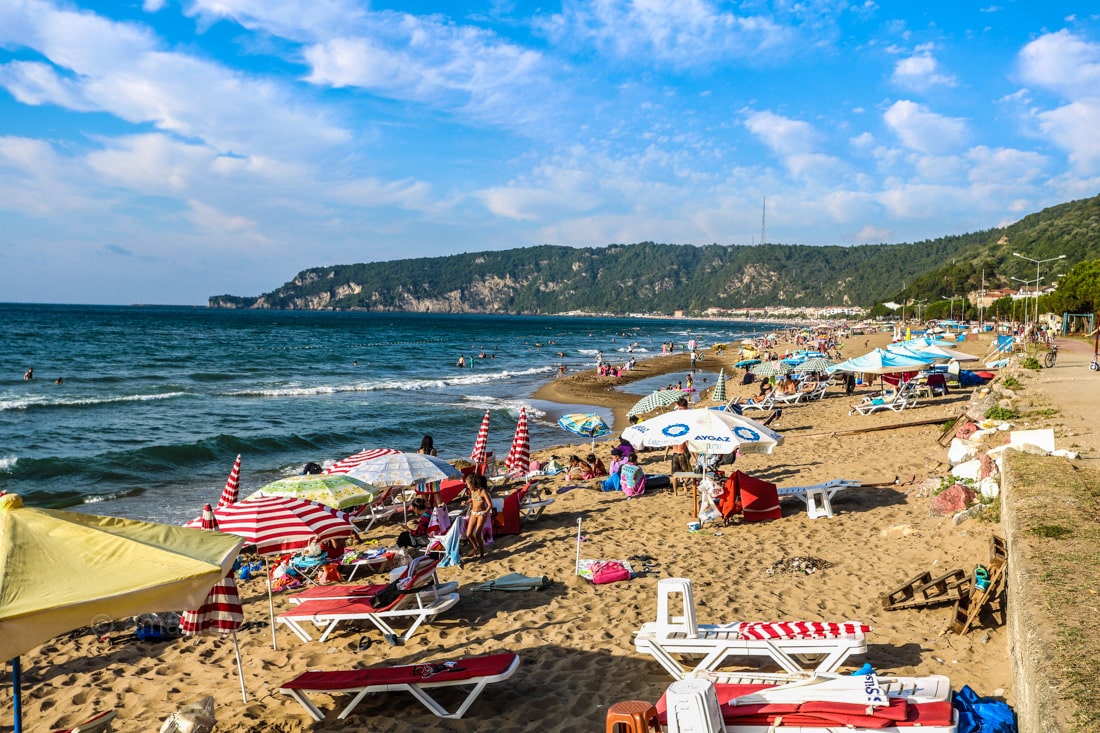
Instead of plunging into the water, beachgoers chose to stay under umbrellas, sunbathe, or enjoy chilled refreshments on the sand. Drone footage captured the surreal contrast — a sunny, seemingly perfect beach scene with few people in the water.
Why Is İnkumu’s Water So Cold in Summer?
While the Mediterranean and Aegean coasts often boast seawater temperatures in the 25–29°C range during July and August, the Black Sea, especially its western segments like Bartın, can be significantly colder.
Several factors contribute to this phenomenon:
Deep Water Currents
The Black Sea experiences cold undercurrents, particularly in its western basin, which influence surface temperatures when mixed by wind or tides.Lack of Shallow Bays
Unlike the Aegean, which has warm, shallow inlets, the Black Sea’s broader and deeper profile retains less heat.Weather Patterns
Sudden northern winds (known as “poyraz” in Turkish) can push surface water away from the shore, causing cold water from the deep to rise — a process called upwelling.Limited Solar Penetration
On overcast or stormy days, reduced sunlight means less solar heating of the sea’s surface.
These environmental dynamics make İnkumu a beach where you might sweat in the sun but shiver in the waves.
Reactions from Visitors – Beauty with a Chill
For some visitors, the refreshing coolness of the sea is a welcome relief from Türkiye’s intense summer sun. But for others, the shock of the cold water is enough to keep them out of the sea altogether.
“I came here expecting a warm swim,” says Serap, a tourist from Ankara. “But when I dipped my toes in, it was freezing! So we set up a beach tent and decided to relax instead.”
Families with small children were particularly cautious. Many chose to stay on the shore, building sandcastles and enjoying non-water activities, while only a few brave swimmers ventured in.
A Unique Summer Experience
Despite the cold water, İnkumu remains a popular destination thanks to its unique combination of clean air, scenic cliffs, and safe beach zones.
Highlights of İnkumu:
Blue Flag certification, ensuring high water quality and environmental standards
Well-maintained walking paths and observation points along the cliffs
A quiet atmosphere free from overdevelopment
Family-friendly accommodations and traditional Black Sea cuisine
Drone images shared by local media showed a mostly empty sea, yet a bustling beach scene — umbrellas, beach chairs, and sunbathers embracing the warmth without taking the plunge.
SEO keywords: family beach Türkiye, quiet beach Black Sea, İnkumu travel tips, cold water beach Türkiye, summer beach drone footage

Staying Safe in the Heat – What Experts Recommend
With land temperatures climbing into the high 30s and humidity levels above 60%, health professionals are urging precautions even at the beach.
Dr. Fatma Efsun Tanaçan, a dermatologist at Etlik City Hospital, notes that sun exposure during peak hours (10 AM to 4 PM) can result in sunburn, heat exhaustion, and even skin cell damage due to UV radiation.
Tips for staying safe at İnkumu and similar beaches:
Apply SPF 30 or higher sunscreen regularly
Wear UV-protected sunglasses and wide-brimmed hats
Drink plenty of water to avoid dehydration
Consider wearing lightweight, long-sleeved shirts to minimize UV exposure
Enter cold water slowly to help your body acclimate
Should You Visit İnkumu Despite the Cold Water?
Absolutely — especially if you’re looking for an off-the-beaten-path destination in Türkiye that offers natural beauty, tranquility, and cooler swimming conditions that some travelers find refreshing.
Ideal for:
Travelers who prefer milder beach experiences
Nature photographers and drone hobbyists
Families seeking quieter alternatives to the crowded Mediterranean coast
Visitors with sensitive skin who want to avoid warm, bacteria-prone waters
For a unique summer experience, İnkumu’s icy waves and golden sands make for an unforgettable story — one where the beach is warm, but the sea reminds you that nature plays by its own rules.
Türkiye’s Beach Diversity on Full Display
From the warm, turquoise waters of Kaş to the brisk waves of İnkumu, Türkiye offers a rich diversity of coastal experiences. While cold seawater may surprise some, it also adds a refreshing twist to the typical summer narrative.
So, if you’re tired of sweating through beach holidays, perhaps it’s time to embrace the chill — and discover why Bartın’s İnkumu Beach is the coolest spot in Türkiye, in more ways than one.