
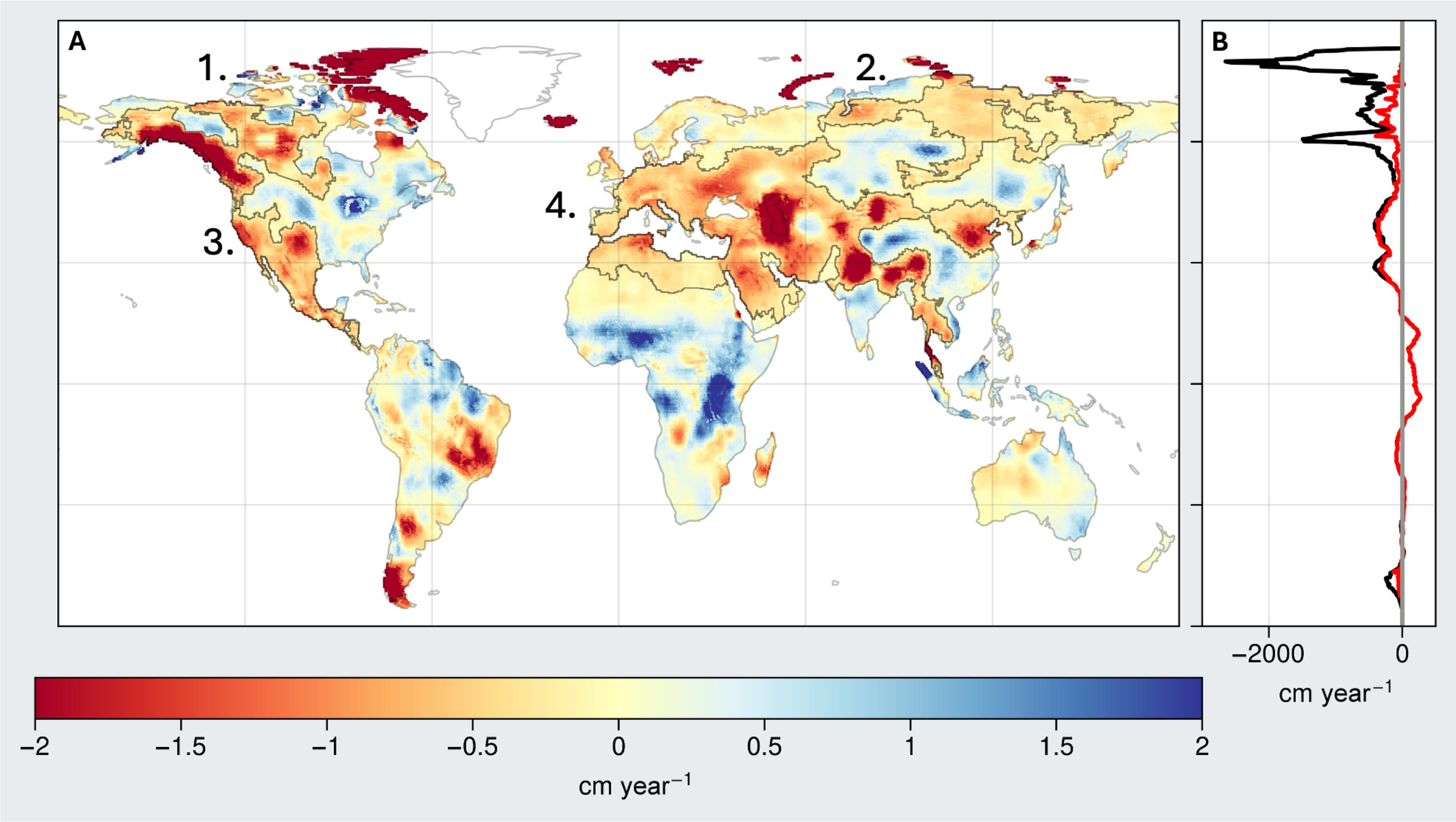
New satellite data from NASA paints a troubling picture of the planet’s freshwater resources. For over two decades, the GRACE and GRACE Follow-On missions have been silently observing changes in Earth’s gravitational field to monitor the global water cycle. The findings are alarming. Since 2002, terrestrial water loss has been accelerating to the extent that, every year, the area experiencing freshwater depletion expands by a region twice the size of California.
This isn’t just about shrinking rivers or vanishing lakes. The crisis also extends underground, threatening aquifers that millions rely on for drinking water. The consequences are already being felt across vast regions of the globe, with the western United States, Central America, the Middle East, and Southeast Asia listed among the worst-affected areas.
A Crisis Reaching Three-Quarters of Humanity
According to the study, approximately 75 percent of the world’s population now lives in areas experiencing some degree of freshwater loss. This growing scarcity doesn’t just affect agriculture and sanitation—it’s also reducing humanity’s capacity to adapt to climate change.
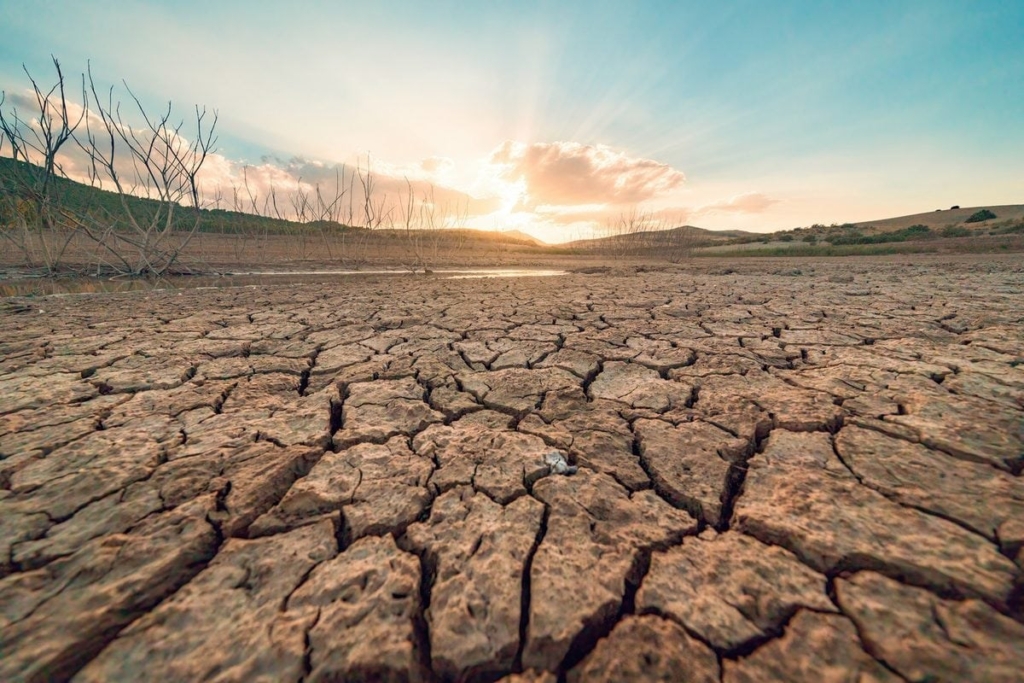
Land degradation driven by drought is rapidly transforming fertile regions into deserts, exacerbating food insecurity and increasing migration pressures. As rainfall becomes less reliable and temperatures rise, freshwater sources are evaporating faster than they can be replenished.
Scientists warn that terrestrial freshwater loss now contributes more to sea-level rise than melting glaciers. The GRACE satellites are able to measure subtle shifts in Earth’s gravity, which are caused by changes in mass—including the movement and disappearance of water. These measurements provide one of the clearest insights into how quickly our planet is losing one of its most vital resources.
Regions Once Wet Are Now Drying
Led by Arizona State University, the study also found a startling new trend. Areas of the world that previously showed a tendency to retain moisture—so-called “greening zones”—are now drying up or failing to recover at their past rates. This suggests a fundamental shift in the global hydrological cycle, one that may be irreversible without major environmental intervention.
The research team emphasized that the loss is not evenly distributed. Some regions are drying rapidly, while others have remained stable or even shown minor gains. However, the overall trend is unmistakable—a global freshwater decline that could reshape how and where human life thrives in the decades ahead.
Türkiye Faces Serious Water Challenges
Türkiye is among the countries significantly affected by this crisis. The study estimates that Türkiye has lost an average of 0.75 centimeters of freshwater annually since 2002. This seemingly small figure is, in fact, a substantial loss when scaled nationwide, placing Türkiye in the high-risk category for long-term water scarcity.
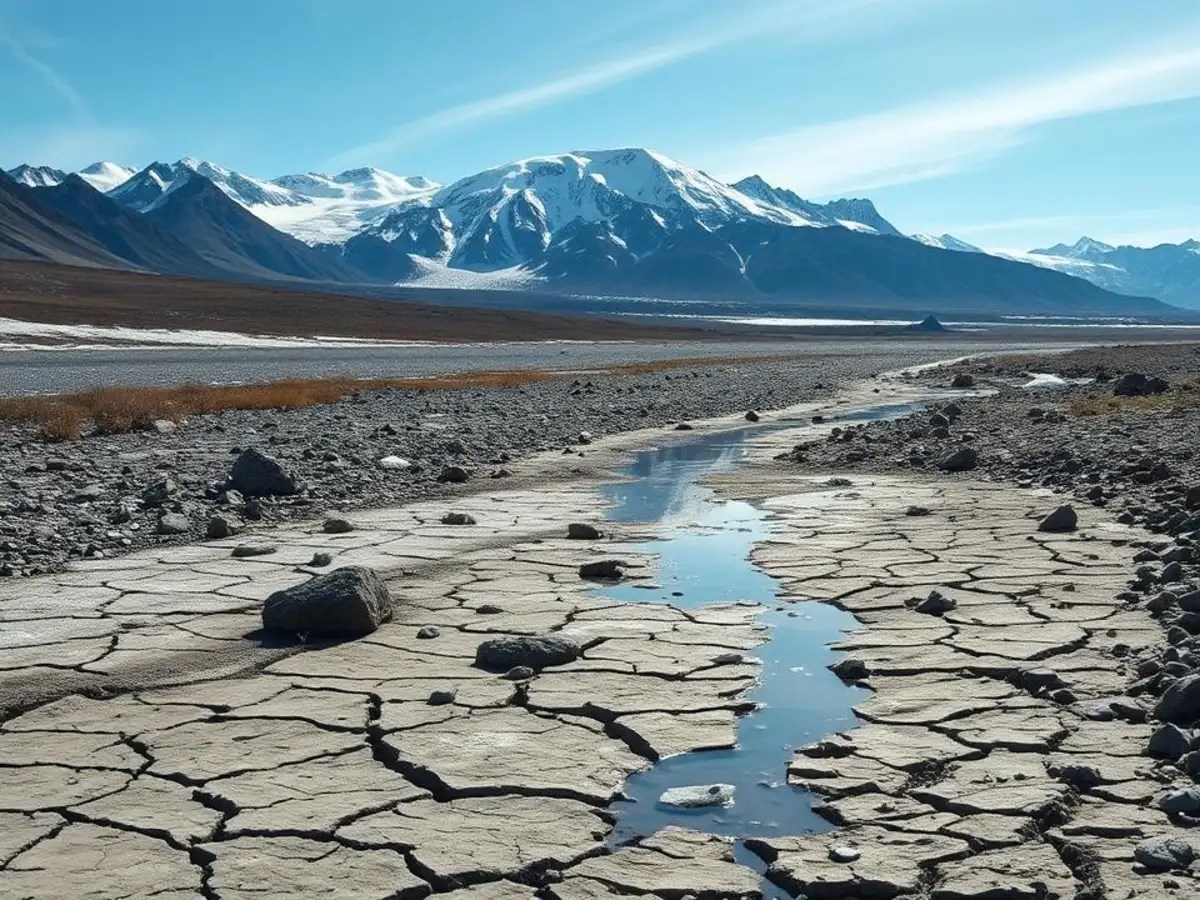
Experts identify two main drivers behind this severe water stress: the increasing frequency of extreme weather events caused by climate change and the unsustainable management of groundwater resources. Long drought periods across Europe and melting permafrost in polar regions are also accelerating land water depletion and altering weather systems that influence Türkiye’s rainfall patterns.
The El Niño Effect and a Tipping Point for Global Water
Another key factor is the massive El Niño event that began in 2014 and lasted until 2016. During this period, extreme storms battered the Pacific while Africa suffered devastating droughts. The Earth recorded some of its highest temperatures ever, and many regions saw their freshwater reserves drop dramatically.
Even the subsequent La Niña, typically known for cooler temperatures and increased precipitation in some areas, failed to reverse this growing trend. Instead, it highlighted just how deeply entrenched the water crisis has become.
A Resource Lost for Generations
One of the most chilling insights from this research is that the depleted groundwater reserves are unlikely to be naturally replenished within the span of a human lifetime. Unlike surface water, aquifers take hundreds or even thousands of years to refill.
This means the freshwater losses being recorded today could affect not only current populations but also generations to come. The impacts go beyond inconvenience—they touch on food security, health, biodiversity, economic stability, and social cohesion.
Global Threat Requires Local Solutions
While the data highlights a global emergency, the solutions must often be local. Better water management, sustainable farming practices, investment in water recycling technologies, and public awareness campaigns are essential to mitigate further loss.
For Türkiye, experts are calling for urgent reforms in how groundwater is monitored and used. Public policies must encourage efficiency, while large-scale water storage and conservation projects could provide short-term relief as longer-term climate adaptation plans are developed.
The Role of Technology and International Collaboration
Technology will play a pivotal role in responding to the crisis. Satellite data, artificial intelligence, and smart irrigation systems can help governments and communities manage their water supplies more effectively. But technology alone is not enough. International cooperation will be essential in sharing data, funding solutions, and managing transboundary water resources fairly.
Türkiye, for instance, shares rivers and water systems with neighboring countries. Collaborative frameworks will be necessary to ensure that water stress does not evolve into geopolitical conflict.
A Call to Action for Türkiye and the World
The implications of the GRACE data are profound. As the planet warms and human activity continues to stress natural systems, freshwater may become one of the most critical challenges of the 21st century.
For Türkiye, the study is a wake-up call. Despite efforts to modernize agriculture and improve infrastructure, water security remains a major vulnerability. Policymakers, industries, and citizens alike must now act with urgency and unity.
The future will belong to those who prepare for it. And when it comes to water, preparation means conservation, innovation, and cooperation on an unprecedented scale.