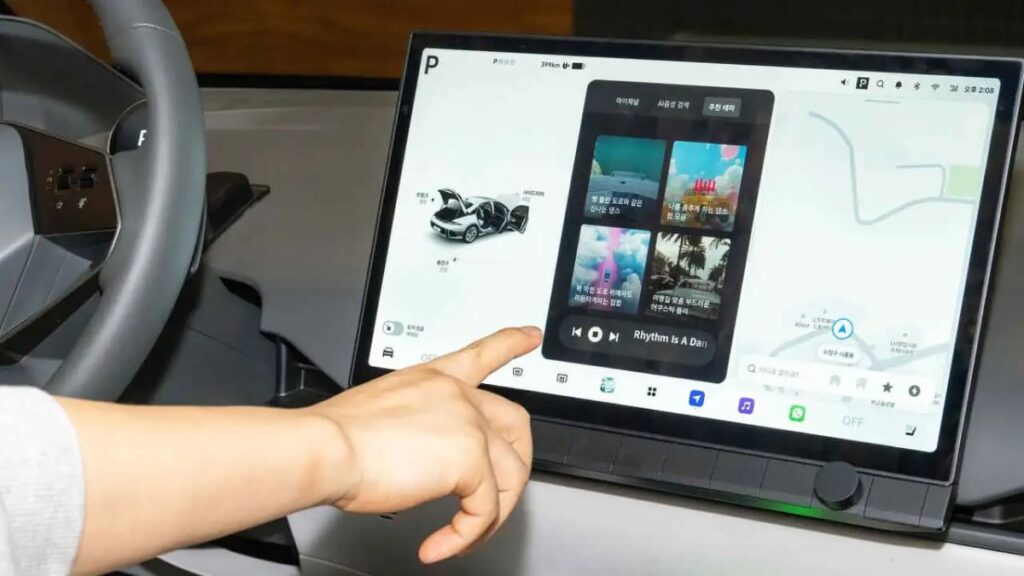

According to a report from otomobilhaber.com, Hyundai is taking a significant step back from one of the automotive industry’s most common trends: the overuse of touchscreens. While most manufacturers continue to digitize the entire dashboard, Hyundai is advocating for a return to physical buttons — all in the name of driver safety and user experience.
Touchscreens Under Fire
In a recent statement, Hyundai’s Senior Vice President of Design, Simon Loasby, openly criticized the excessive use of touch panels in modern vehicles. Describing them as “distracting,” Loasby emphasized the risk they pose to drivers who are forced to look away from the road for even basic controls. “Drivers shouldn’t be dependent on screens for essential functions,” he said.
Instead, Hyundai is opting for a driver-centric design philosophy. This new direction focuses on keeping the driver’s eyes on the road and hands on the wheel, restoring trust in intuitive analog controls that can be operated without looking.
Muscle Memory Over Fancy Screens
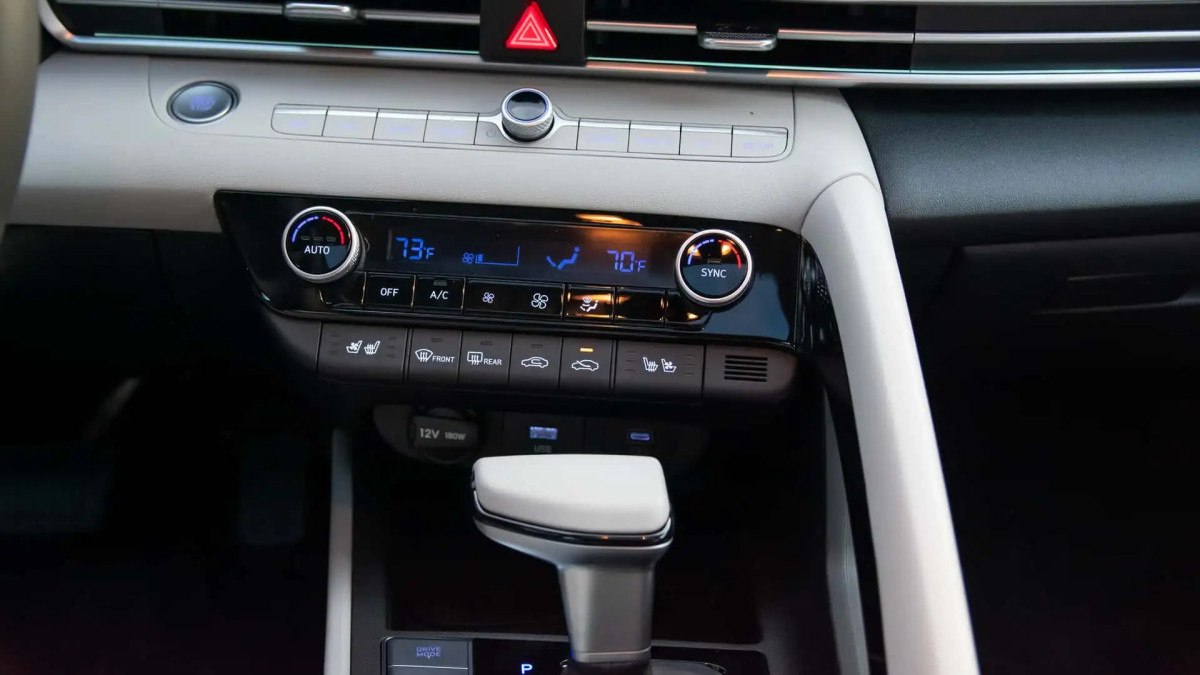
One of the key advantages of physical buttons, as Hyundai points out, is muscle memory. Unlike flat screens, physical switches allow drivers to quickly learn the location of controls, enabling safer interaction during driving. This seemingly old-school approach is now being seen as a modern safety enhancement.
Hyundai’s commitment to reintroducing physical controls is particularly relevant given recent studies and criticism directed at the usability of touchscreen systems in cars. Numerous drivers have complained about needing to navigate multiple menus just to adjust climate settings or toggle drive modes.
A Matter of Cost – But Hyundai Pushes Back
Hyundai’s design chief, Luc Donckerwolke, also commented on the issue. He indirectly acknowledged that touchscreens have become popular among automakers due to their cost-saving potential. Large infotainment displays can consolidate multiple controls into a single interface, reducing manufacturing complexity and hardware costs.
Yet, Hyundai is resisting this purely economic path. Instead, the Korean automaker is prioritizing what Donckerwolke called “the analog love” of users. That is, the natural human preference for tactile feedback and control simplicity.
Striking a Balance: Big Screens Still Matter
To be clear, Hyundai isn’t abandoning touchscreens entirely. The goal is to find a balanced interface — one that offers the convenience of a modern digital display while preserving the practicality and safety of physical buttons for essential operations.
New generation Hyundai models will continue to feature large curved displays, advanced infotainment systems, and voice control. However, volume, temperature, and drive mode adjustments — among others — will return to being button-operated.
This design shift could soon spread across Hyundai’s broader lineup, including its Ioniq electric models, which have been among the most screen-heavy vehicles in recent years.
A Potential Industry Turning Point?
While other automakers chase minimalist, screen-heavy interiors, Hyundai’s move might just set off a broader design re-evaluation across the industry. Safety regulators and consumer advocacy groups have long raised concerns about the distraction risks posed by digital-only dashboards.
Hyundai is now aligning itself with that concern, showing that technology for technology’s sake isn’t always the best route — especially in a vehicle moving at high speed with lives at stake.
As a reporter following automotive design trends, I must say: Hyundai’s move feels refreshingly human. In an era where cars are trying to mimic smartphones, it’s comforting to see a brand remembering that a car is still a vehicle first — not a gadget.
While touchscreen minimalism may look sleek in photos, it often fails in real-world usability. Hyundai’s reintroduction of buttons is not a step back — it’s a leap forward in driver-first innovation.
Source: otomobilhaber.com