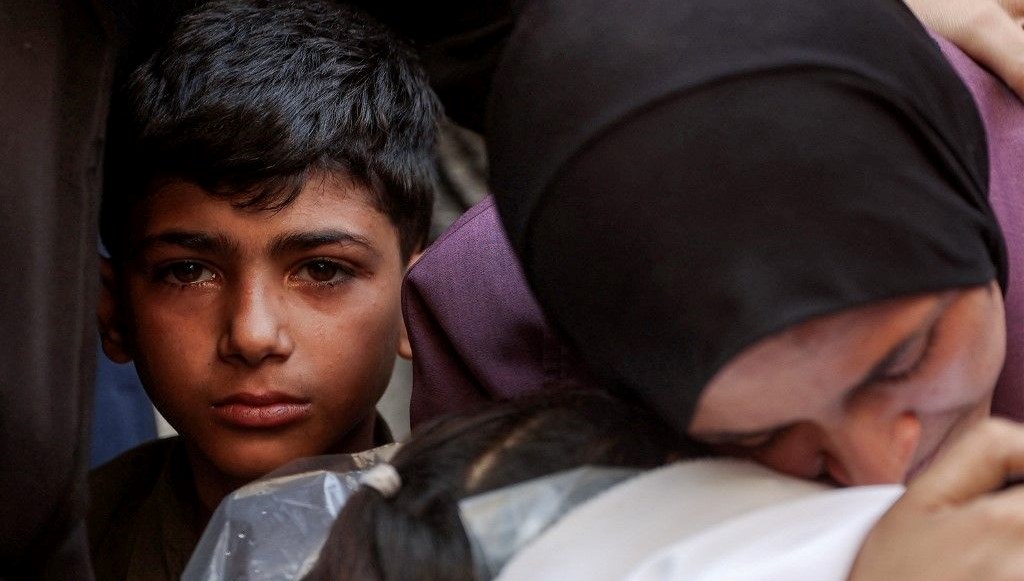

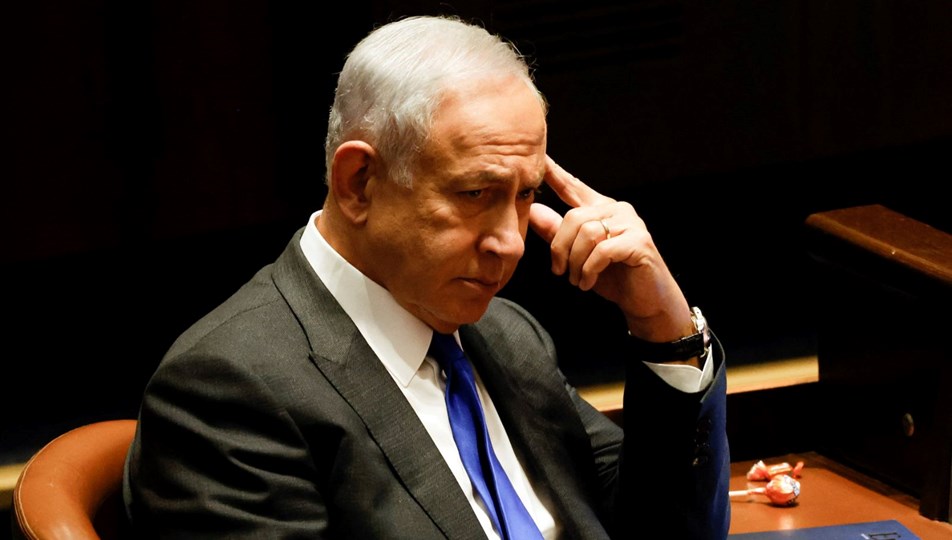
Tensions in the Middle East have escalated dramatically as Israeli Prime Minister Benjamin Netanyahu’s plan to launch a full-scale occupation of the Gaza Strip was formally approved by Israel’s security cabinet. The decision marks a turning point in the ongoing conflict, sparking widespread international condemnation and fears of an intensified humanitarian disaster.
With Israeli troops reportedly amassing along the Gaza border, the region stands on the brink of what many fear could become the most devastating phase of the conflict to date.
Five Demands Before “Ending the Occupation”
The Israeli Prime Minister’s Office released a statement outlining five conditions deemed essential for ending the military campaign and occupation in Gaza. These include:
The complete disarmament of Hamas
The return of 50 hostages, including 20 believed to be alive
The total demilitarization of the Gaza Strip
Full Israeli control over the territory
The establishment of an alternative civilian administration to replace both Hamas and the Palestinian Authority
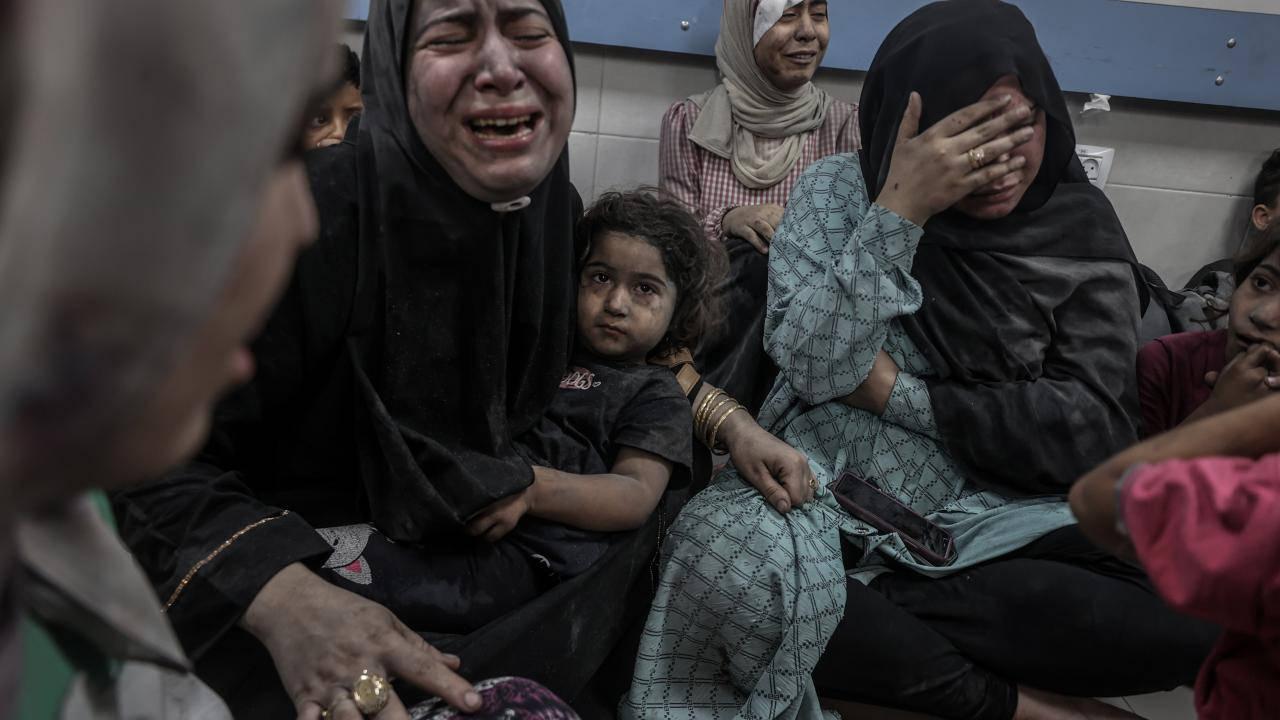
These conditions are widely viewed as impossible to meet without prolonged and forceful military intervention, raising alarms about a long-term occupation and the displacement of tens of thousands more civilians.
Türkiye: “A Step Toward Genocide and Regional Destabilization”
Türkiye’s Ministry of Foreign Affairs issued a strong condemnation of the Israeli decision, calling it a dangerous escalation and labeling it as an extension of what it described as ongoing war crimes.
In its statement, the ministry said:
“Every step taken by Netanyahu’s fundamentalist government to expand the occupation and continue acts of genocide against Palestinians is a direct blow to international peace and security.”
Türkiye has consistently opposed Israel’s military operations in Gaza and called for an immediate ceasefire, backing international efforts to pursue a two-state solution based on 1967 borders.
Australia Warns of “Humanitarian Catastrophe”
Australian Foreign Minister Penny Wong was the first high-profile international figure to respond, warning Israel against escalating its operations further.
“This path will only deepen the humanitarian catastrophe in Gaza,” Wong stated.
She reiterated Australia’s commitment to a two-state solution, emphasizing that lasting peace can only be achieved through the coexistence of an Israeli and a Palestinian state within internationally recognized borders.
United Kingdom Urges Reversal of Gaza Decision
Newly elected UK Prime Minister Keir Starmer also criticized the Israeli plan, calling it “the wrong decision” and urging Netanyahu to reconsider.
“Escalating military actions in Gaza will not bring peace or secure the release of hostages. It will only create more bloodshed and deepen the crisis,” Starmer said.
The UK government, which recently announced plans to recognize the State of Palestine during the upcoming UN General Assembly in September, has increasingly shifted toward a more balanced position in the conflict, pushing for diplomatic resolution over military actions.
United Nations: Plan Must Be Halted Immediately
The UN High Commissioner for Human Rights, Volker Türk, delivered one of the most urgent warnings, calling on Israel to immediately halt its military plans for Gaza.
“The Israeli government’s plan to militarily seize the entire Gaza Strip must be stopped,” Türk said, warning that such action could lead to catastrophic consequences for civilian populations and permanently damage prospects for peace.
The United Nations continues to express concern over alleged violations of international humanitarian law, including the collective punishment of civilians and attacks on infrastructure.
A New Phase in the Gaza Conflict
If carried out, the full occupation of Gaza would mark a drastic shift in Israel’s strategy, transforming the current military operations into what could become an indefinite ground presence. The proposed removal of both Hamas and the Palestinian Authority from governance structures also raises questions about what political future awaits the enclave’s 2.2 million residents.
Critics warn that Israel’s objective to install an alternative civilian administration could result in a puppet regime, undermining Palestinian self-determination and creating further instability.
With hostilities already responsible for thousands of casualties and a severe humanitarian crisis inside Gaza, the international community is increasingly alarmed by the potential scale of the next phase.
What Comes Next?
Netanyahu’s government has shown no signs of backing down, and troop deployments to the border suggest a military operation could begin at any time. While US officials have remained largely silent, behind-the-scenes diplomacy is believed to be in progress, with some reports suggesting backchannel discussions involving Egypt and Qatar.
Whether international pressure will be enough to reverse or delay Israel’s actions remains to be seen. But as condemnation grows and foreign ministers issue urgent warnings, the call for restraint is echoing louder across capitals worldwide.
For now, Gaza waits — as the world braces for what could be a devastating turn in a conflict with no clear end in sight.