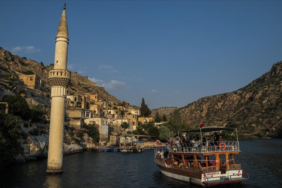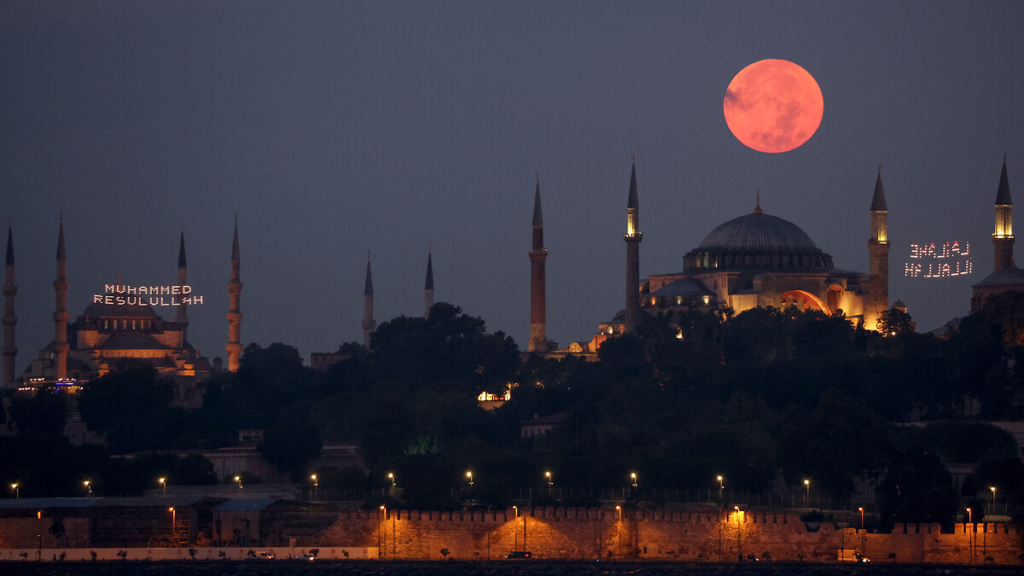

Every corner of Istanbul carries the weight of history, and its oldest mosques are more than places of worship. These monumental structures are living records of the city’s cultural, social, and architectural evolution, standing as silent witnesses to centuries of change. Many originated during the Byzantine Empire, later transformed under the Ottomans, and today they form an irreplaceable part of Istanbul’s identity.
From awe-inspiring domes to modest yet historically rich facades, these mosques reflect not only religious devotion but also the shifting artistry and craftsmanship of each era. Here are some of the most significant examples that reveal Istanbul’s layered heritage.
Ayasofya Mosque – A Monument Through the Ages
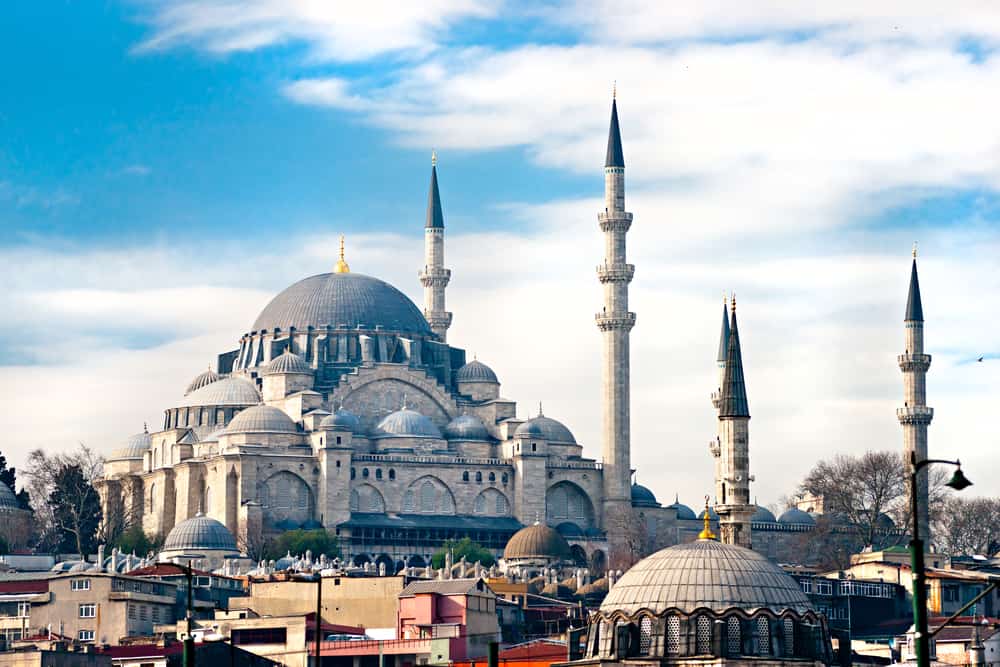
Arguably the most iconic structure in Istanbul, Ayasofya was first constructed in 360 as a church. Rebuilt in 537 under Emperor Justinian, it gained the vast dome that continues to define its silhouette today. For nearly a thousand years, it stood as the most important church in Eastern Christianity.
Following the Ottoman conquest of Constantinople in 1453, Sultan Mehmed II ordered its conversion into a mosque, marking the beginning of its Islamic chapter. In 1935, it was turned into a museum under the Turkish Republic, attracting millions of visitors from around the world. In 2020, it was reconverted into a functioning mosque, merging its historical and spiritual significance in a new era.
Ayasofya’s interior is a breathtaking combination of Byzantine mosaics, Islamic calligraphy, and monumental scale, making it an essential subject for architectural historians and photographers alike.
Eski İmaret Mosque – A Byzantine Survivor
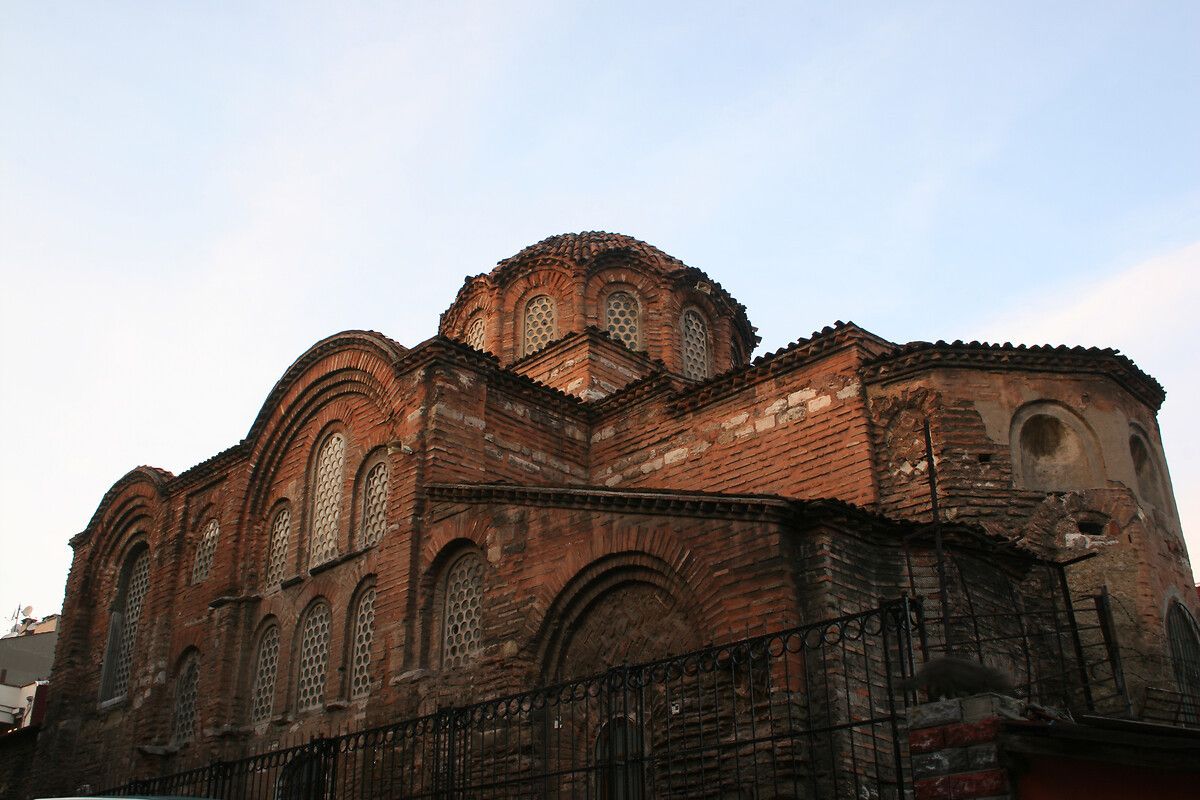
Located in the historic Zeyrek district, the Eski İmaret Mosque is one of the rare surviving Byzantine churches from the 11th century. Originally built as part of a monastic complex, its robust stonework and modest size distinguish it from the grander imperial constructions of its time.
After the Ottoman conquest, the building was converted into a mosque, becoming one of the earliest Islamic places of worship in the city. Today, it stands as a testament to the continuity and transformation of sacred spaces in Istanbul’s history.
Mahmud Pasha Mosque – An Early Ottoman Jewel
Commissioned in 1464 by Mahmud Pasha, a prominent statesman under Sultan Mehmed II, this mosque is among the earliest original examples of Ottoman mosque design in Istanbul. It represents an early stage of the classical külliye (religious and social complex) tradition, incorporating not only a mosque but also a bathhouse (hamam) and a caravanserai (han).
The hamam, completed in 1466, still stands as a reminder of the mosque’s role as a social and communal hub in the Ottoman era. Its architectural style bridges the simplicity of early Ottoman forms with the developing grandeur that would define later centuries.
Fatih Mosque – The Symbol of a New Era
Constructed between 1463 and 1470 on the site of the demolished Church of the Holy Apostles (Havariyyun Kilisesi), the Fatih Mosque was commissioned by Sultan Mehmed II as a symbol of the Ottoman Empire’s dominance and the transformation of Constantinople into Istanbul.
As one of the earliest large-scale Ottoman külliye complexes, it included not only the mosque but also schools, a library, a hospital, and public kitchens. Its monumental scale and central location established it as a key landmark in the city’s spiritual and civic life.
The mosque has undergone several reconstructions due to earthquakes, but it continues to embody the ambition and vision of its founder.
Pillars of Istanbul’s Identity
These mosques are far more than architectural landmarks — they are woven into the fabric of Istanbul’s identity. Ayasofya’s majestic dome, the quiet Byzantine lines of Eski İmaret, the early Ottoman spirit of Mahmud Pasha, and the grand symbolism of Fatih Mosque each tell a distinct story of the city’s past.
Together, they chart a journey from Byzantium to the Ottoman Empire and into the modern Republic, making them essential for anyone seeking to understand the historical soul of Istanbul.
For travelers, historians, and locals alike, visiting these sites is not just an exploration of architecture, but a step into the living history of one of the world’s most remarkable cities.