
A striking development is taking shape in Türkiye’s automotive landscape as Koç Holding, in collaboration with Stellantis, sets the stage for a bold comeback of two legendary car models—Tofaş Şahin and Doğan. As part of its broader commitment to diversify and strengthen its market dominance, the automotive giant is reintroducing these cult-classic models, originally dominant in Türkiye during the 1990s, with redesigned aesthetics and modern technology integration.
Set for production and release in 2026, the revival of these iconic names aims to cater to both nostalgic enthusiasts and a new generation of drivers seeking budget-friendly, durable, and technologically updated vehicles. The announcement reflects Koç Holding’s ongoing strategy following the Tofaş-Stellantis merger and highlights how heritage design is being reimagined for today’s mobility needs.
A Bold Strategy in a Competitive Market
The Turkish automotive sector has witnessed rapid transformation in recent years. With global players expanding their operations and electric vehicles gaining traction, local manufacturers have been forced to innovate. Koç Holding’s move to bring back Tofaş Şahin and Doğan is both a business and branding decision. It not only leverages strong consumer sentiment rooted in decades of loyalty but also taps into a growing global appetite for retro-modern cars.
The Tofaş-Stellantis alliance has opened new avenues in manufacturing, R&D, and market scalability. By focusing part of its production pipeline on these revamped classics, the group is betting on a market that values authenticity while still demanding 21st-century efficiency.
Retro Meets Innovation in the 2026 Models
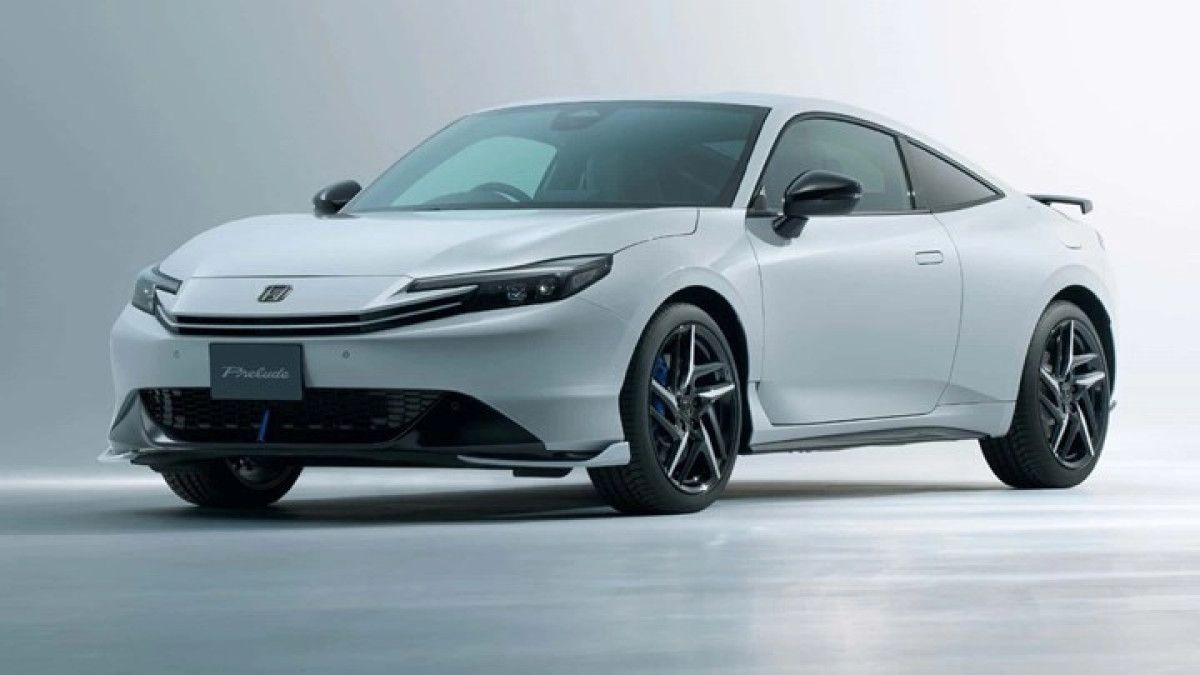
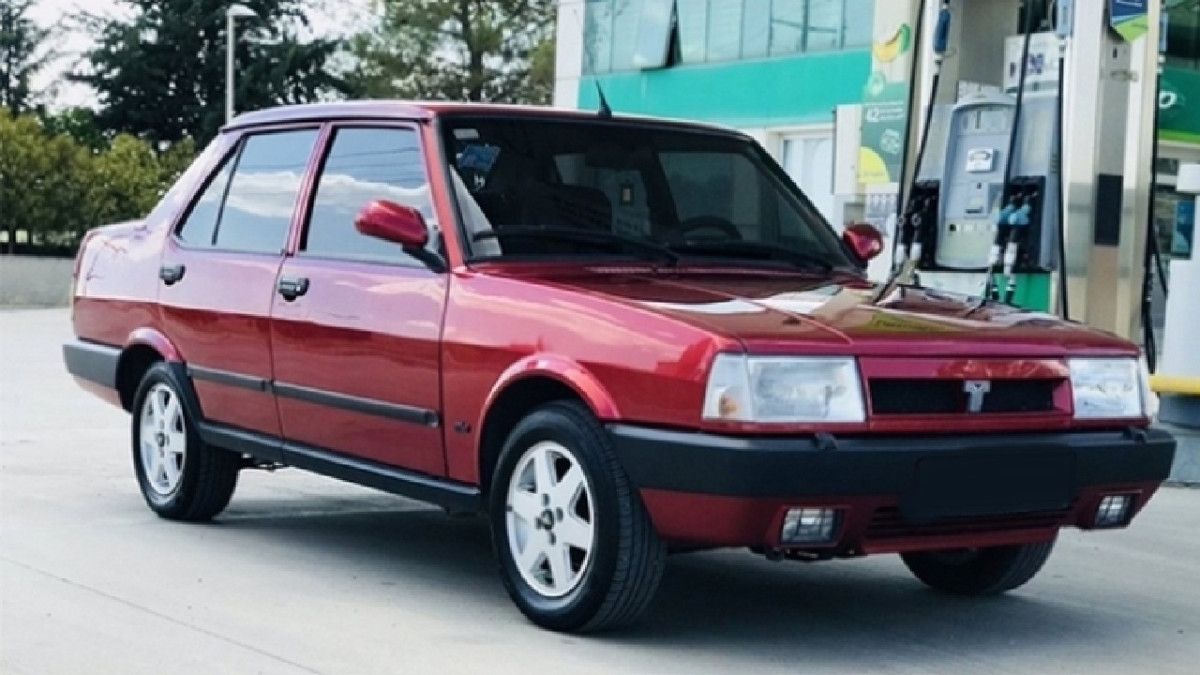
While official design renders have yet to be released, insiders close to the project suggest that both Şahin and Doğan will retain their distinctive silhouettes, boxy lines, and overall identity that made them instantly recognizable on Turkish roads for decades. However, under the hood and within the cabin, everything is expected to be modernized.
Features rumored to be included:
Enhanced fuel-efficient engines (possibly hybrid or mild-hybrid)
Upgraded suspension and braking systems
Infotainment units with touchscreen capability
Advanced safety features such as ABS, traction control, and parking assistance
Digital dashboards with retro-style analog elements
This balance of form and function aims to honor the past while adapting to current regulatory and consumer expectations.
Why Şahin and Doğan Still Matter in Türkiye
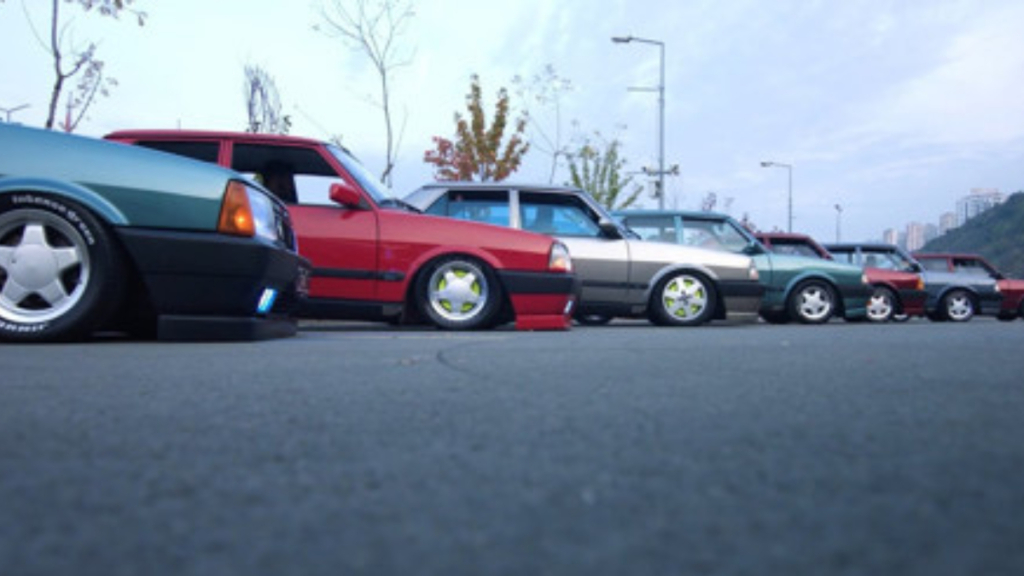
During the 1990s and early 2000s, Tofaş Şahin and Doğan were more than just cars—they were symbols of affordability, reliability, and national pride. Whether as taxis, family cars, or even modified tuner vehicles, their presence on the roads was universal. Spare parts were cheap, maintenance was simple, and their reputation for durability made them ideal for everyday use.
For many in Türkiye, these vehicles were their first car, first driving lesson, or family road trip memory. That emotional connection is precisely what Koç Holding is banking on as it aims to capitalize on nostalgic value in a modernized form.
The Timing Aligns with a Broader Industry Trend
Internationally, car manufacturers have found success in reviving iconic models. Think of Fiat 500, Ford Bronco, or Volkswagen Beetle. These vehicles tap into a shared longing for familiar aesthetics, while offering today’s technology. Türkiye now joins this movement, and Tofaş’s 2026 lineup is poised to become a milestone in retro revival in local manufacturing.
Moreover, the timing coincides with increased national sentiment around local production. Türkiye has been investing heavily in domestic brands like TOGG, and Tofaş’s return to its roots could bolster that momentum with a unique offering that no other automaker can match.
Affordable SUV Promises and Market Expansion
It’s worth noting that this move also fits into Koç Holding’s recent pledge to introduce affordable SUV models under the Tofaş umbrella. The new Şahin and Doğan may not be SUVs, but their return adds critical volume to Koç’s product lineup, enabling economies of scale and greater flexibility in pricing strategies.
With the economic climate pushing consumers toward practical, durable, and cost-efficient vehicles, these two names could fill a void between entry-level sedans and compact crossovers—a segment largely underserved by global brands operating in Türkiye.
Domestic Production and Employment Impact
As production gears up for 2026, industry observers expect Tofaş to allocate dedicated lines within its Bursa facilities, potentially adding hundreds of new jobs. Reviving a known platform can streamline manufacturing and reduce R&D costs while revitalizing interest in locally built cars.
Additionally, the widespread availability of existing spare part networks and mechanical familiarity within Türkiye’s repair ecosystem gives these models a competitive edge over foreign imports that require specialized maintenance.
Electric Options on the Horizon?
Although the initial versions are expected to be internal combustion or hybrid-driven, there is industry speculation that electric variants may follow. Given Stellantis’s aggressive global electrification roadmap, it wouldn’t be surprising to see an EV version of Şahin or Doğan introduced within a few years after launch, especially if early sales exceed expectations.
Such a move could place Tofaş in a unique position to blend heritage with innovation while contributing to Türkiye’s green mobility goals.
Target Markets Beyond Nostalgia
While older generations may be thrilled by the return of these names, the new models are also being designed with younger buyers in mind. Features like smartphone integration, customizable interior lighting, and budget-friendly subscription-based maintenance plans may appeal to Gen Z and millennials entering the car market for the first time.
Tofaş could also aim for export opportunities, particularly in markets with strong Turkish diaspora populations, such as Germany or the Netherlands, where nostalgia-driven sales could be a niche success story.
What Comes Next for the 2026 Launch
In the coming months, automotive insiders expect Koç Holding and Tofaş to release official teasers, prototype previews, and possibly concept vehicles at major expos like Autoshow Türkiye or Geneva Motor Show.
If reception is strong, production could be scaled up beyond initial forecasts. There’s also speculation that accessories, apparel, and retro-themed promotional campaigns will accompany the launch, turning Şahin and Doğan not just into cars—but into cultural icons reborn.
As the anticipation builds, one thing is clear: Türkiye’s most beloved automotive names are not just returning to the road—they are being redefined for a new era.