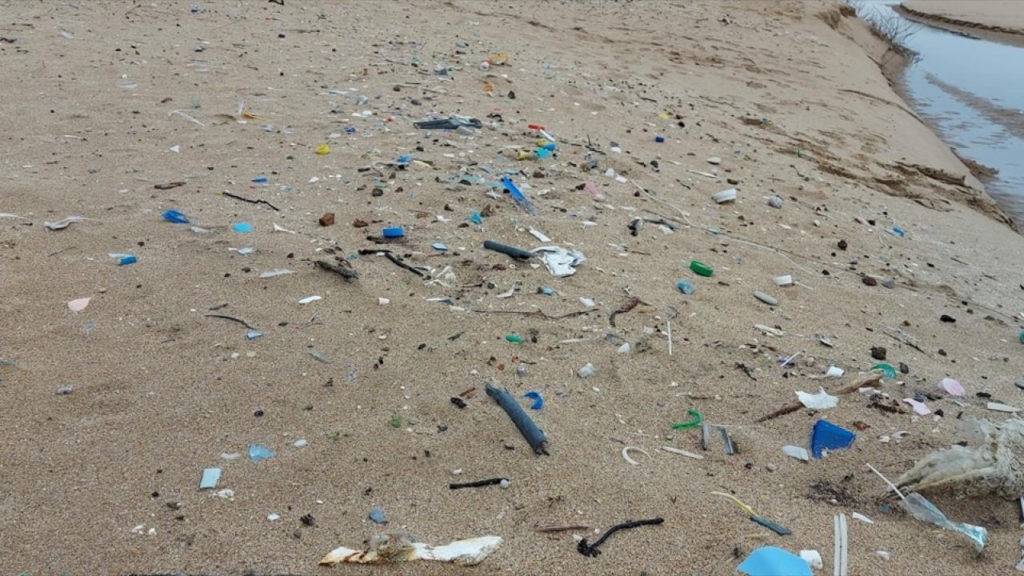

A comprehensive study has unveiled the extent of marine litter pollution along Türkiye’s Black Sea coastline, exposing a pressing environmental challenge with both national and international implications. Conducted by researcher Terzi and his team, the investigation highlights the alarming levels of plastic and other solid waste accumulated on the region’s beaches and underwater ecosystems.
This new research, which spans over 1,400 kilometers of Türkiye’s northern shoreline, is among the most detailed efforts to quantify and classify marine debris along the Black Sea. It also sheds light on the underlying causes and the potential threats to human and ecological health.
What Defines Marine Waste?
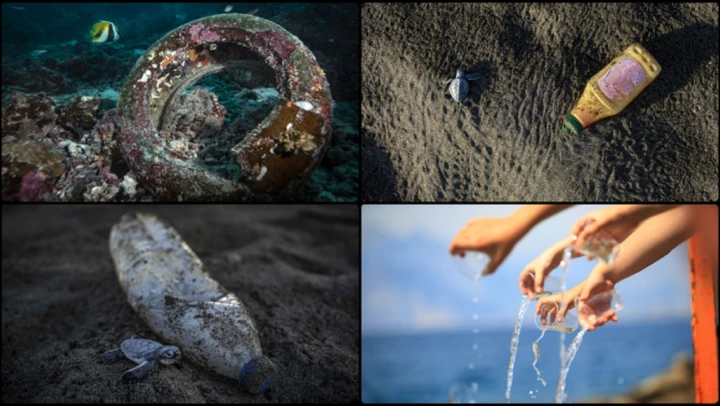
Marine litter, as defined by the United Nations Environment Programme (UNEP), includes all solid materials produced by human activity that reach the seas through rivers, storms, wind, or direct human disposal. These can include plastics, metals, glass, and fishing gear. While heavier materials like metal and glass often sink to the ocean floor, lighter elements—particularly plastics—float or remain suspended in the water column, making them more visible but no less harmful.
The Cleanest and Most Polluted Beaches Identified
Among the 37 monitoring stations examined during the study, İstanbul’s Kısırkaya Beach in Sarıyer was found to be the cleanest, with 0.24 pieces of marine litter per square meter. It was closely followed by Trabzon’s Laila Beach (0.246/m²), the eastern delta of the Kızılırmak River (0.318/m²), Bartın’s İnkumu Beach (0.378/m²), and Kastamonu’s Cide Beach (also 0.378/m²).
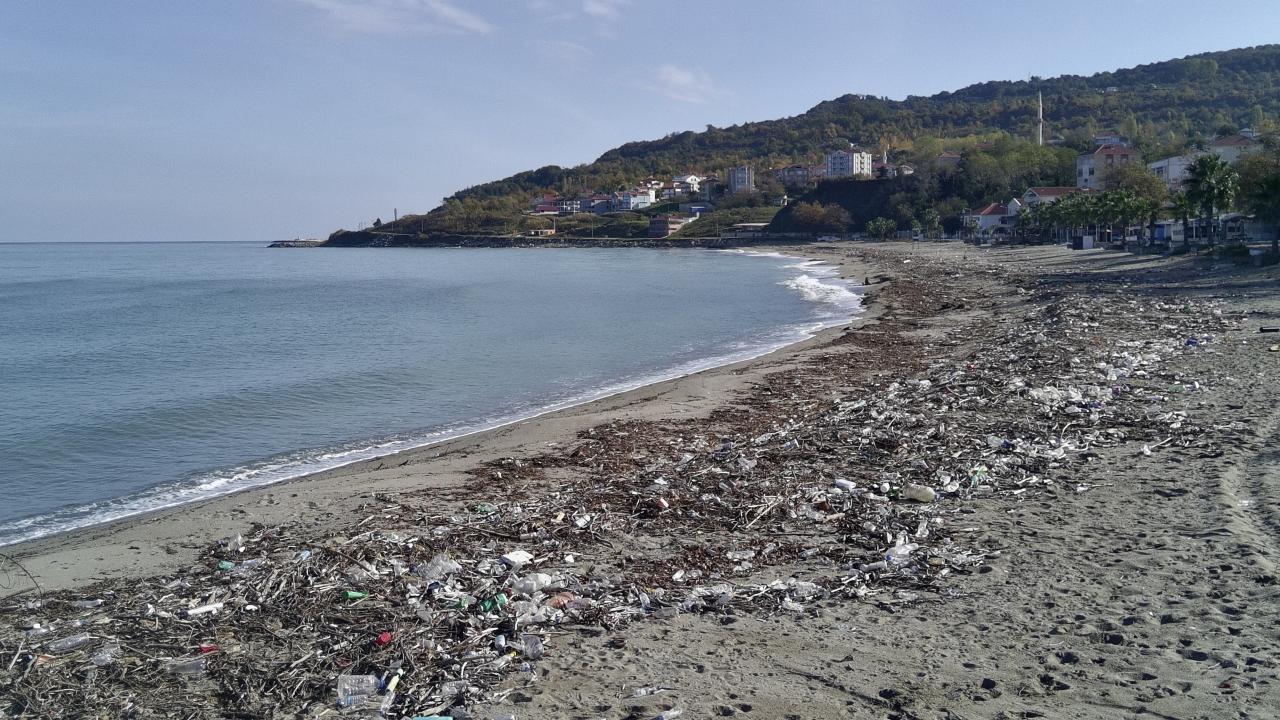
On the other end of the spectrum, the most polluted area was Artvin’s Kopmuş Beach, where researchers recorded a shocking density of 2.124 litter items per square meter. Bartın’s Kapısuyu Beach (1.602/m²), Artvin’s Üç Kardeş Beach (1.464/m²), Samsun’s Terme Beach (1.326/m²), and İstanbul’s Şile Uzunkum Beach (1.206/m²) also reported high contamination levels.
Why the Black Sea Is Particularly Vulnerable
According to Terzi, the Black Sea is particularly susceptible to marine waste accumulation due to two key factors: limited water circulation and intense human activity. As a semi-enclosed sea with fewer currents to disperse pollutants, it acts as a trap for marine debris originating from surrounding rivers and coastal communities.
“Some locations were so polluted that it was possible to see a piece of trash with every single step,” said Terzi. “This motivated us to conduct a detailed survey using international methodologies to understand the severity and distribution of marine litter across Türkiye’s northern coast.”
A Panoramic Survey from Bulgaria to Georgia
The research was conducted following the Monitoring of Marine Litter in European Seas guidelines issued by the European Union. The team identified 37 sampling stations stretching from the Bulgarian to Georgian borders and collected a total of 29,610 litter items over the course of the study.
Sites were chosen based on their proximity to settlements, river mouths, and their use for tourism or urban activities. Only solid materials larger than 2.5 centimeters were recorded and sorted based on composition and usage type.
Terzi noted that stations located near river mouths displayed particularly high pollution levels, likely due to the transport of urban and industrial waste via waterways. These locations were disproportionately affected by litter, emphasizing the link between riverine input and marine pollution.
Plastic: The Dominant Pollutant
Unsurprisingly, plastic emerged as the most common type of marine waste found during the study. An overwhelming 88% of all collected debris was plastic-based. Paper and metal each constituted around 3.5% of the total.
The most frequently encountered items included:
Cigarette butts (the most common)
Broken fragments of single-use plastics
Food wrappers and takeaway packaging
Beverage bottles and caps
Some items posed direct physical risks to human health. “We also encountered hazardous waste such as broken glass, syringes, sharp metal objects, and medical debris,” said Terzi. “The presence of these materials indicates not only an environmental issue but a serious public safety concern.”
He added that several beaches, based on this data, present a high to very high risk of injury due to such dangerous waste.
Marine Litter: A Problem Without Borders
One of the most sobering conclusions of the study is the transboundary nature of marine pollution. “The Black Sea basin involves multiple countries, and the current systems make it possible for waste from one nation to reach the shores of another,” Terzi explained.
This international dynamic means that Türkiye’s marine litter challenge cannot be addressed in isolation. It requires cross-border collaboration and shared responsibility among all countries that contribute to and are affected by the Black Sea ecosystem.
EU Targets and the Path Forward
The European Union has set an ambitious target to reduce marine litter density to below one item per square meter by 2050. However, Terzi warns that reaching this goal will be particularly difficult in heavily polluted regions like the Black Sea and the Baltic Sea.
Adding to the complexity is the influence of climate change. As extreme weather events become more frequent, they are expected to disrupt current systems and shift accumulation zones for marine litter. These changing dynamics could create new pollution hotspots and further challenge cleanup and monitoring efforts.
A Critical Warning and a Call to Action
Terzi concluded his remarks with a powerful analogy: “Imagine you’re on a boat that’s taking on water. You try to bail it out with a bucket, but the water is pouring in faster than you can remove it. That’s how it is with marine litter. Cleanup efforts alone aren’t enough. We need to stop the waste at its source.”
Preventing marine litter requires proactive policies targeting plastic production, improved waste management infrastructure, public education campaigns, and strict enforcement of anti-littering regulations.
The study’s findings serve as a wake-up call for both policymakers and the public. Without immediate and coordinated action, marine waste will continue to degrade one of Türkiye’s most valuable ecological assets—the Black Sea coast—and pose mounting risks to human and environmental health alike.