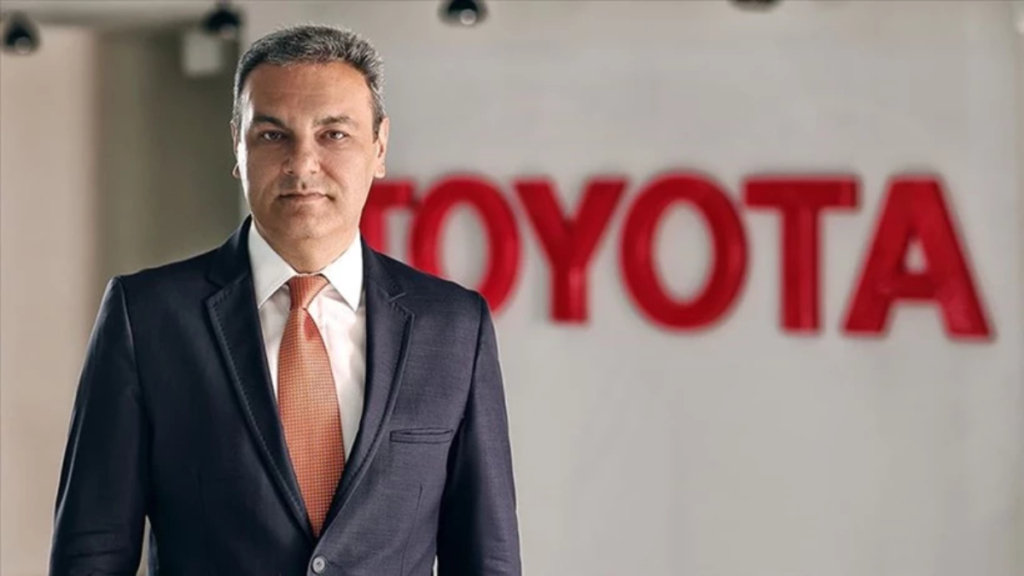

Türkiye’s automotive sector continues to outperform expectations in 2025, with Toyota Türkiye positioned for a record-breaking year. CEO Ali Haydar Bozkurt shared his evaluation of the market’s first seven months, projecting that total sales could reach 1.3 million units by the end of the year. With Toyota Türkiye sales rising by 54 percent compared to last year, the company aims to close the year with 85,000 units sold, a figure that would set a new benchmark in the brand’s history. The combination of favorable market dynamics, strategic product positioning, and the impact of the recent ÖTV regulation impact has created a climate of opportunity for the company.
Türkiye Automotive Market Forecast for 2025
Bozkurt noted that the automotive market in Türkiye has exceeded industry forecasts, achieving higher-than-expected momentum since January. If current trends continue, annual sales could approach 1.3 million units, highlighting the sector’s resilience despite global uncertainties in supply chains and economic conditions. Demand remains driven by factors such as population growth, increased mobility needs, and an aging vehicle fleet, all of which continue to push customers toward new purchases.
For manufacturers and dealers, this trend not only signals robust sales but also creates challenges related to inventory management, production capacity, and customer expectations. Toyota Türkiye has responded by increasing its allocation of key models to match consumer demand.
Toyota’s Record Sales Ambitions
At the corporate level, Toyota Türkiye has set an ambitious target of selling 85,000 units in 2025. If achieved, this would represent a historic milestone for the company. Bozkurt emphasized that Toyota’s growth has been especially strong in the commercial segment, where sales rose by 98 percent compared to the previous year. This surge reflects a growing preference among businesses and individual buyers for versatile, durable vehicles that can meet diverse mobility needs.
Passenger vehicle sales have also contributed significantly, with models appealing to families and professionals alike. Toyota’s reputation for reliability and fuel efficiency continues to attract a broad customer base, while new technological features help the brand remain competitive in both traditional and electrified vehicle categories.
The Impact of ÖTV Regulation on Market Dynamics
The recent revision of Türkiye’s ÖTV regulation impact has reshaped consumer preferences across different vehicle categories. Bozkurt explained that locally produced models now benefit from a 70 percent tax bracket, providing a pricing advantage over many imported cars. As a result, domestic production is expected to grow its market share, while imported vehicles face greater challenges in terms of affordability.
For Toyota Türkiye, this change carries mixed effects. On one hand, the higher taxation on imported 4×4 pick-ups will likely reduce sales volumes in that category. On the other, the company’s locally available 4×2 Hilux remains competitively positioned, ensuring Toyota retains a strong presence in the pick-up segment. Bozkurt stressed that the brand’s flexibility and diverse lineup allow it to adapt effectively to regulatory shifts.
Commercial Vehicles Driving Growth
One of the standout stories in Toyota Türkiye’s performance has been the remarkable 98 percent increase in commercial vehicle sales. This reflects both market demand and Toyota’s strategic emphasis on expanding this segment. Light commercial vehicles, in particular, have seen rising demand due to the growth of e-commerce, logistics, and urban delivery services in Türkiye.
By strengthening its commercial lineup and offering financing solutions that appeal to businesses, Toyota has secured an expanded share of this critical market. Bozkurt confirmed that the company will continue prioritizing commercial vehicles as a key driver of future growth.
Environmental Initiatives and Sustainability Goals
In addition to strong financial and sales performance, Toyota Türkiye has announced initiatives aimed at environmental responsibility. The company plans to plant an average of 1.4 million saplings annually as part of its broader sustainability vision. This program not only contributes to Türkiye’s reforestation efforts but also aligns with Toyota’s global commitment to carbon neutrality and corporate social responsibility.
For consumers increasingly conscious of environmental impact, these projects enhance brand value and loyalty. By linking commercial success with ecological responsibility, Toyota demonstrates that growth and sustainability can coexist.
Challenges and Opportunities Ahead
Despite the positive outlook, Bozkurt acknowledged that the market still faces challenges. Supply chain disruptions, fluctuating exchange rates, and changing customer preferences can create volatility. The revised taxation framework, while advantageous to local models, has also introduced uncertainty for buyers trying to evaluate affordability across different categories.
Nonetheless, Toyota Türkiye’s adaptability, strong dealer network, and focus on customer satisfaction provide the company with the tools to navigate these challenges. Its balanced portfolio across passenger cars, commercial vehicles, and electrified models ensures resilience against sudden market shifts.
Toyota’s Role in Türkiye’s Automotive Landscape
As one of the leading international brands operating in Türkiye, Toyota plays a central role in shaping the country’s automotive industry. Its commitment to local adaptation, investment in commercial vehicles, and environmental initiatives highlight its long-term strategy. For policymakers, Toyota’s success demonstrates the benefits of aligning regulation with domestic production advantages. For consumers, it provides confidence that one of the world’s most trusted brands remains committed to Türkiye’s market.
Looking Toward Year-End Performance
As 2025 progresses, the key question will be whether Türkiye’s automotive market maintains its current momentum. If the total surpasses 1.3 million units, it would represent one of the strongest years in recent history. For Toyota Türkiye, achieving 85,000 units sold would not only set a new internal record but also reinforce its reputation as a leader in both innovation and market responsiveness.
The coming months will reveal whether the combination of regulatory change, market demand, and sustainability commitments will propel Toyota toward its historic goal. Regardless of short-term fluctuations, Bozkurt’s confidence suggests that Toyota Türkiye is positioned for both record sales and long-term growth.