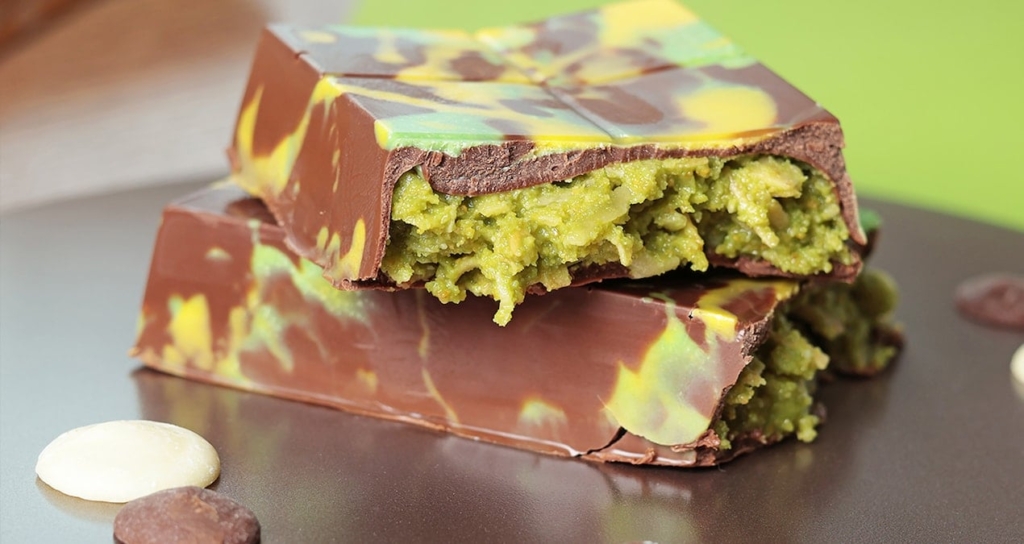

A major food safety alert has been issued in Europe following the recall of the widely popular PICCA Dubai Style Chocolate. The product, which rose to fame on platforms like TikTok and Instagram, is now at the center of a serious health scandal after Austrian-based company Artis GmbH detected dangerously high levels of aflatoxin in a specific production batch.
According to laboratory reports, the batch with an expiration date of 18 September 2026 was found to contain aflatoxin B1, one of the most toxic naturally occurring substances known to science. This revelation has prompted immediate action, including a recall, public health warnings, and increased scrutiny of similar imported products.
Laboratory Tests Reveal Carcinogenic Contamination
The recall was prompted by routine laboratory tests that identified aflatoxin B1 in the chocolate. Aflatoxins are toxic compounds produced by certain molds, often found in improperly stored nuts and grains. Aflatoxin B1 in particular is recognized as the most potent naturally occurring carcinogen.
Experts from food safety authorities confirm that even low daily exposure to aflatoxin B1 can lead to serious long-term health problems. The compound has been linked to liver damage, immune suppression, and an increased risk of liver cancer. For this reason, its presence in food is strictly regulated by both the European Food Safety Authority (EFSA) and the World Health Organization (WHO).
Dubai Chocolate Went Viral on Social Media
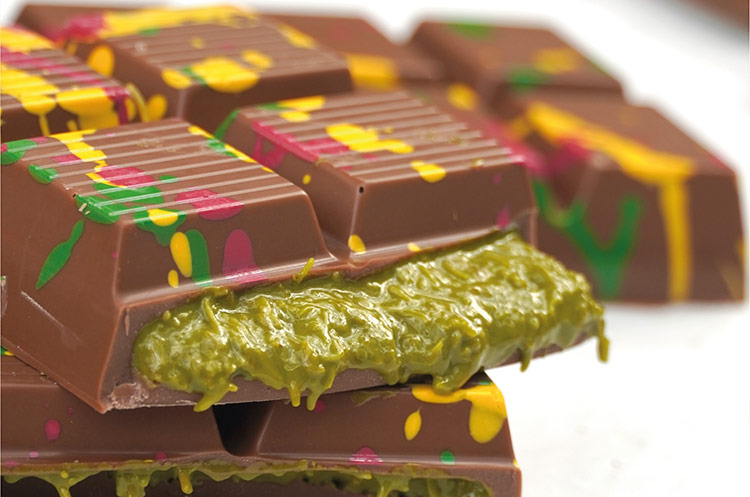
The product in question is none other than the “Dubai chocolate” that achieved viral status between 2024 and 2025. It gained massive popularity on social media due to its luxurious packaging, pistachio cream filling, and signature kadayif crunch. The chocolate was heavily featured by influencers across Europe, making it a trending item on TikTok, Instagram, and YouTube.
Its eye-catching presentation and exotic branding made it especially popular among younger audiences. As the trend spread, more and more vendors began stocking similar products, often without verifying the source or safety standards.
The Appeal and the Danger Behind the Trend
Dubai-style chocolates were marketed as premium sweets inspired by Middle Eastern luxury. The visual appeal played a key role in the product’s viral success, with consumers frequently sharing unboxing videos, taste tests, and gifting ideas.
However, experts now warn that many of these trendy imports lack proper oversight. The flashy image of the product often overshadows serious concerns regarding production practices, ingredient sourcing, and long-term storage conditions. In the case of PICCA Dubai Style Chocolate, it appears that poor storage or contaminated ingredients may have contributed to the aflatoxin outbreak.
Growing Popularity in Türkiye Raises Alarm
While the recalled chocolate is not officially imported into Türkiye through regulated channels, similar products bearing the “Dubai chocolate” label are widely available. These can be found on e-commerce platforms, boutique import stores, and even via social media sellers.
Due to the product’s online popularity, many Turkish consumers have unknowingly purchased versions of the chocolate, some of which may come from unverified sources. The rapid spread of the product through informal sales channels has made it difficult for authorities to track and assess potential risks.
Consumer safety advocates in Türkiye now urge buyers to carefully check product packaging, especially for details like manufacturer, expiration date, and batch number. A lack of clear labeling may be an indicator of counterfeit or unsafe goods.
Recall Details and Affected Batch Information
The affected chocolate batch carries the following details:
Product Name: PICCA Dubai Style Chocolate
Net Weight: 100 grams
Expiry Date: 18 September 2026
Batch Number: 18092026
Consumers who have purchased this product are advised to return it immediately. Refunds are being offered without requiring proof of purchase, either through the original sales platform or directly via customer service channels such as Machado GmbH.
How to Identify Aflatoxin Exposure Symptoms
Aflatoxin poisoning is rare but potentially fatal, especially in high doses. Symptoms can include:
Nausea and vomiting
Abdominal pain
Liver enlargement
Jaundice
Confusion or drowsiness in severe cases
Long-term exposure, even at lower doses, can gradually impair liver function and increase cancer risk. Vulnerable groups such as children, pregnant women, and people with liver conditions are particularly at risk.
What Consumers Can Do to Stay Safe
Health experts recommend the following steps for consumers who suspect they may have consumed a contaminated product:
Discontinue consumption immediately
Contact the point of sale for a refund or exchange
Retain packaging to check batch number
Monitor for symptoms and consult a healthcare provider if needed
Report the incident to national food safety authorities
In Türkiye, where food imports through unofficial channels are becoming more common, consumers are urged to be especially cautious when purchasing trend-based foreign food products.
Regulatory Reactions Across Europe
Following the recall, several European food safety agencies issued alerts warning of the potential spread of contaminated chocolate across multiple countries. Artis GmbH is now under investigation, and additional products from the company are being tested for contaminants.
Retailers have been ordered to remove the affected batch from their shelves, and online platforms are being monitored for unauthorized resellers. This incident has also renewed calls for stricter oversight of viral food trends that bypass traditional food safety checks.
Dubai Chocolate Becomes a Case Study in Risky Food Trends
The PICCA chocolate incident highlights the risks associated with viral food items that spread faster than regulators can respond. While globalization and social media can introduce exciting new flavors and cultural experiences, they also present significant challenges for consumer protection.
In the wake of this recall, food experts recommend that consumers exercise skepticism toward trendy food products that gain popularity rapidly without established brand accountability. Visual appeal and influencer promotions are no substitutes for rigorous safety standards.
Consumer Vigilance and Food Safety
As the dust settles on the Dubai chocolate recall, it becomes clear that food safety remains a critical public health concern in the digital age. From Vienna to İstanbul, consumers must stay informed and vigilant, especially when it comes to imported and viral products.
Food is not only about flavor and aesthetics. It is also about safety, transparency, and trust. The Dubai chocolate case serves as a wake-up call for global shoppers and a reminder that what tastes sweet may carry unseen risks.