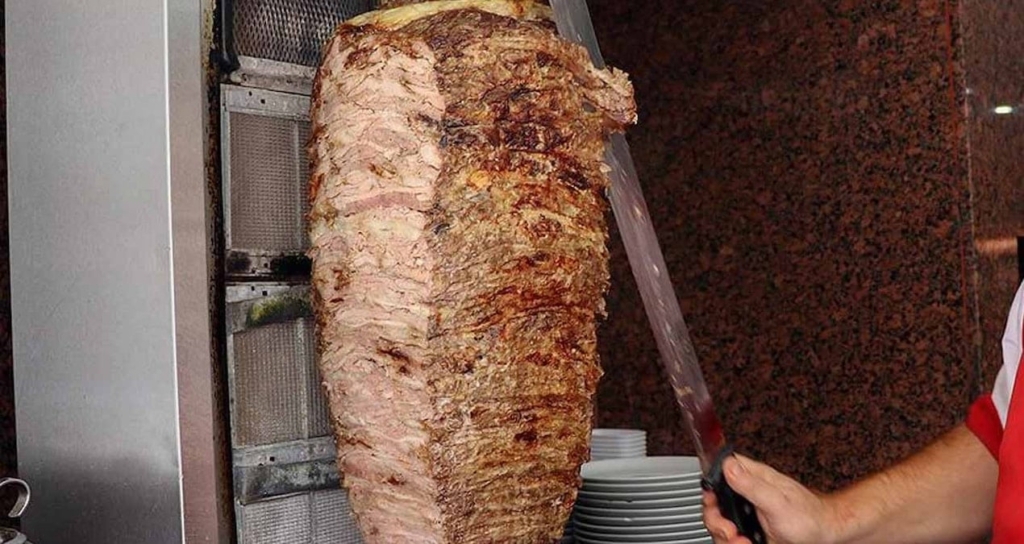

As Türkiye rapidly climbs the ranks in the European Union’s prestigious list of protected geographical indications with iconic products like Antep Baklavası and Malatya Kayısısı, another beloved national treasure is sparking one of the most heated food identity debates in modern European history. Doner, the globally popular meat dish that originated in Türkiye, is now at the heart of a diplomatic and culinary standoff between Ankara and Berlin.
Türkiye’s bid to register doner under the Traditional Specialty Guaranteed (TSG) label has been met with strong resistance from Germany, where the dish has evolved into a cultural staple. With both sides holding firm, the fate of doner now lies in the hands of the European Commission.
Türkiye Aims to Surpass China in Geographical Indication Prestige
The European Union’s geographical indication (GI) system was introduced in the 1990s to protect iconic products such as Parmigiano-Reggiano and Champagne from imitation. Over time, it has evolved into a battleground of international culinary prestige. Today, China leads all non-EU countries with 99 GI-certified products. Close behind is Türkiye, boasting 36 certified items and numerous pending applications, all aimed at establishing the country’s reputation in the global quality food market.
According to Mauro Rosati, Director of the Italian Qualivita Foundation, “Türkiye seeks to align itself more closely with Europe through this system, capitalizing on its geographic proximity and booming tourism sector to carve out a dominant position in high-quality product branding.”
Doner’s Roots and Rise to Global Fame
Originally developed in Türkiye during the 19th century, doner was a revolutionary take on vertical spit-roasted meat. Unlike traditional kebab, the meat was sliced thin and stacked vertically, then slowly roasted for a juicy, crispy texture. It became not only a symbol of culinary ingenuity in Türkiye but also a fast-food solution ahead of its time.
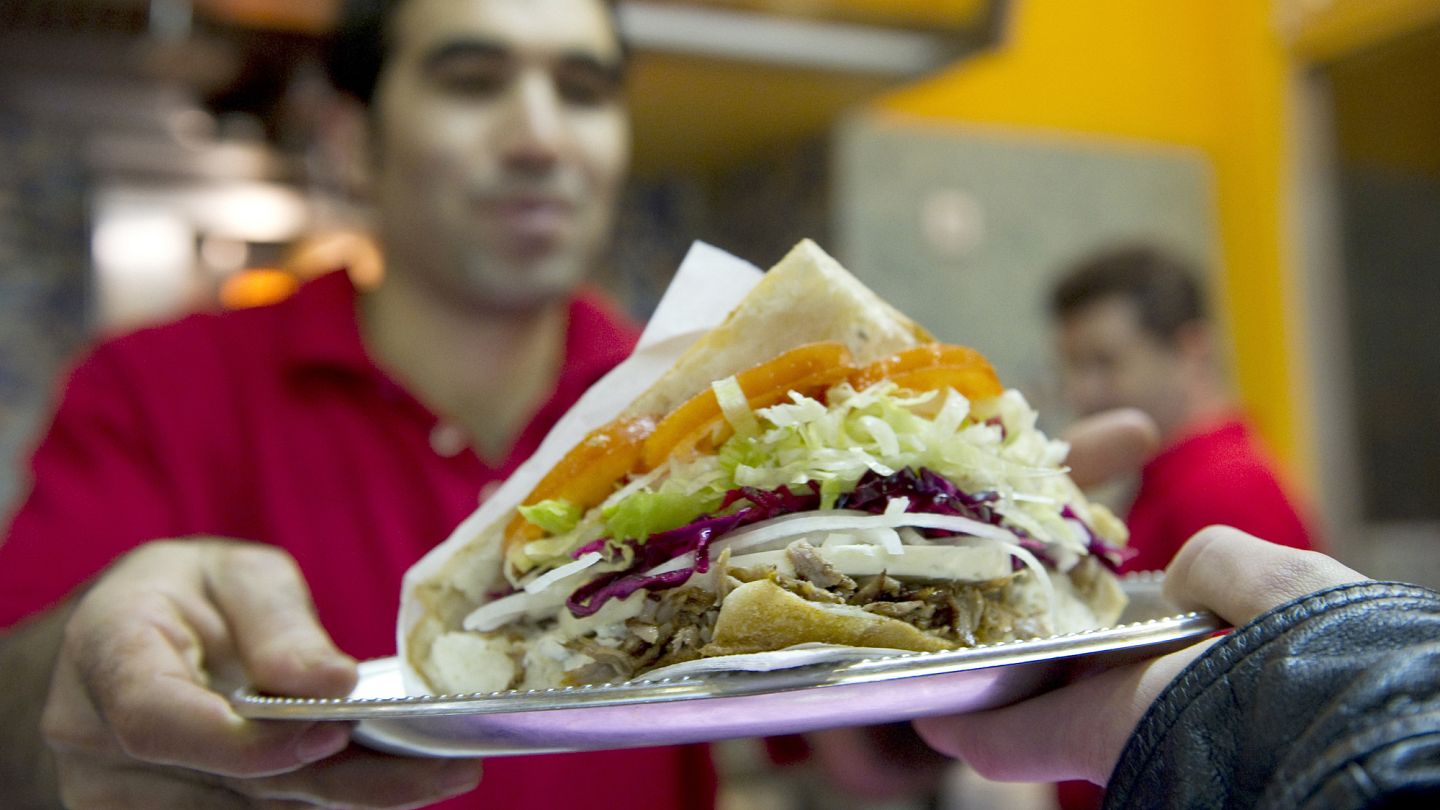
The dish exploded in popularity in the 1970s and 80s with the Turkish diaspora in Europe, particularly in Germany. There, doner quickly integrated into street food culture, eventually surpassing sausages and bratwurst in popularity. Today, Germany reportedly consumes over 400 tons of doner meat per day, a testament to its deeply rooted presence.
Türkiye’s Bid for TSG Status Sparks Controversy
Türkiye’s 2022 application to the EU does not seek to claim doner’s geographical origin but rather to protect its authentic preparation through the Traditional Specialty Guaranteed label. The TSG framework does not tie a product to a specific region but guarantees that the method of production follows a recognized traditional recipe.
Türkiye’s proposal outlines precise criteria, such as meat thickness, marination time, and cooking methods — all aimed at preserving the culinary authenticity of what it defines as the “real doner.” However, this attempt to standardize doner across Europe was met with fierce resistance from countries that consider the dish part of their own cultural fabric.
Germany Pushes Back with Cultural Ownership Claims
Leading the opposition is Germany, where doner has not only become a top-selling fast food item but also a cultural hybrid that reflects the country’s multicultural evolution. German Agriculture Minister Cem Özdemir, who has Turkish roots himself, strongly voiced opposition to Türkiye’s proposal.
“People should decide for themselves how they prepare doner,” Özdemir declared on social media. “There is no need for regulation from Ankara.”
The German Ministry of Agriculture echoed his sentiment, stating that doner, in its German iteration, is no longer simply a Turkish export but a part of local culinary tradition — adapted, localized, and uniquely German in style.
Diplomatic Deadlock and European Commission’s Role
After bilateral negotiations between Türkiye and objecting nations like Germany and Austria reached a stalemate, the matter has escalated to the European Commission. A spokesperson confirmed that a final decision would be made “in due time,” though no exact timeline has been given.
The Commission will have to navigate a complex web of legal, cultural, and commercial interests. On one hand, Türkiye’s claim is legitimate under the EU’s TSG framework, which allows for non-EU applicants and focuses on production standards. On the other hand, member states have the right to object if they believe a designation interferes with national culinary practices or market competition.
Geopolitics of Food and Identity
This culinary clash is more than a food fight. It represents a broader cultural conversation about ownership, migration, and identity in an increasingly globalized Europe. Doner, much like pizza or sushi, has transcended borders — but its origins still matter.
For Türkiye, gaining EU recognition for doner as a traditional specialty would not only reinforce its culinary heritage but also serve as soft power — projecting national pride and authenticity through food. For Germany, the rejection is a matter of cultural autonomy and economic protection, as the country’s doner industry generates billions annually.
Market Impact and Branding Implications
Should Türkiye’s application be approved, producers across the EU may be required to follow the specified recipe in order to label their product as “doner.” This could disrupt Germany’s booming doner industry, where local producers often use veal or chicken instead of Türkiye’s preferred lamb and beef blend. Variations in spices, sauces, and bread styles would also come under scrutiny.
Labeling regulations could lead to rebranding for thousands of vendors, affecting both small businesses and large-scale suppliers. It may also spark copycat applications for other hybrid dishes across Europe, from Italian-American pizza to British tikka masala.
Doner as a Symbol of Modern Türkiye
In the eyes of many Turks, doner represents more than just a meal — it embodies Türkiye’s influence on global gastronomy. As Turkish cuisine continues to gain international recognition, protecting doner under EU law could solidify its status as a global symbol of traditional excellence.
The move also aligns with Türkiye’s broader ambitions to extend its cultural and economic influence through food diplomacy. From baklava to olive oil, the country is investing heavily in the global branding of its culinary assets.
Awaiting a Culinary Verdict
As Brussels prepares to weigh in on this unprecedented food fight, the outcome will have implications far beyond restaurant menus. It will shape how cultural heritage is recognized and protected in a world where food often crosses borders faster than legislation.
In the meantime, doner will continue to turn slowly on spits from Berlin to Istanbul, feeding millions — and stirring debate about who gets to decide what makes a recipe truly authentic.