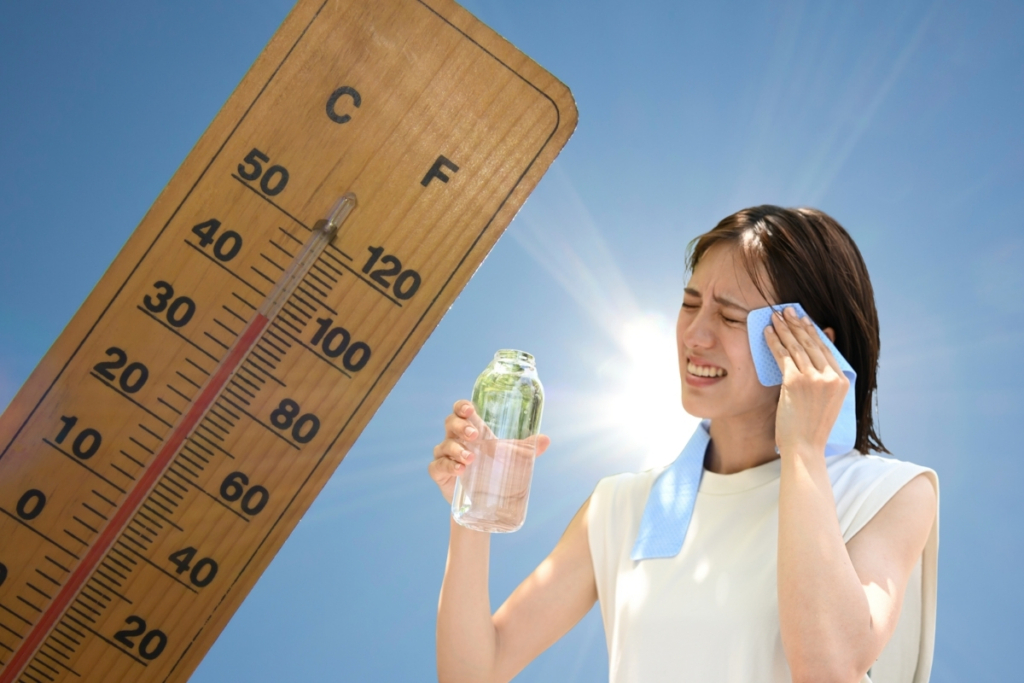

A significant heatwave is set to sweep across Türkiye, with temperatures forecasted to rise steadily throughout the week and peak on Friday, according to the latest data released by the Meteorology General Directorate (MGM). This heatwave is expected to bring extreme temperatures to much of the country, particularly in interior and southern regions, affecting millions and raising concerns over public health, energy usage, and fire safety.
From Tuesday onwards, a sharp increase in temperatures will be felt across many provinces, with some cities likely to experience heat levels far above seasonal norms. The upcoming spike follows a series of regional heat events already observed this summer, signaling a possible record-breaking year for Türkiye’s climate statistics.
Gradual Climb to Friday’s Peak
At the start of the week, many western and coastal provinces are experiencing typical summer weather with temperatures hovering around seasonal averages. However, interior and eastern provinces are already dealing with above-average heat, and this pattern will intensify:
Tuesday: Noticeable uptick in temperatures begins, especially in Central Anatolia
Wednesday to Thursday: Heat expands westward, affecting cities like İzmir, Bursa, and Balıkesir
Friday: Peak temperatures expected nationwide, with many regions hitting 40°C or higher
MGM has classified the upcoming days as a period of “extreme heat risk”, urging residents to take precautions and avoid prolonged exposure to direct sunlight, particularly during the peak hours between 11:00 AM and 5:00 PM.
Hot Zones: Which Regions Will Be Most Affected?
While almost all of Türkiye will feel the effects of the heatwave, the most intense conditions are expected in:
Central Anatolia: Cities like Konya, Kayseri, and Sivas could see highs above 40°C
Southeast Anatolia: Şanlıurfa, Mardin, and Diyarbakır will likely experience extreme heat with minimal nighttime cooling
Mediterranean region: Adana, Hatay, and Osmaniye to endure a blend of high heat and humidity
Aegean provinces: Muğla, Aydın, and Denizli expected to join the heat surge by Thursday
Even typically milder cities like Ankara and Eskişehir are forecasted to see daily highs above 37°C, creating dangerous conditions for vulnerable populations, including the elderly, young children, and individuals with chronic illnesses.
Health Officials Issue Public Warnings
Health experts are urging the public to take immediate steps to protect themselves from the dangers of heat-related illnesses, which can escalate quickly during periods of extreme temperature. Common risks include:
Dehydration
Heat exhaustion
Heat stroke (a potentially life-threatening condition)
The Ministry of Health recommends:
Drinking plenty of fluids, even if not thirsty
Avoiding outdoor activities during peak heat hours
Wearing lightweight, light-colored clothing
Using fans, air conditioning, or seeking shaded areas
Checking in on elderly neighbors or family members
Wind and Dust Storm Alerts for Northern Provinces
While the south battles high temperatures, several northern provinces face additional challenges. MGM has issued strong wind and dust alerts for Çankırı, Çorum, and Amasya, warning of:
Reduced visibility due to airborne dust
Potential respiratory issues
Increased risk of wildfires in dry grasslands
Residents in these areas are advised to avoid driving during dust storms, use face coverings, and stay indoors when possible.
Risk to Agriculture, Energy Infrastructure, and Transportation
The heatwave’s impact is not limited to health. It also poses significant risks to key sectors of Türkiye’s economy and daily life:
Agriculture: High temperatures can damage heat-sensitive crops like tomatoes, peppers, and grains.
Water supply: Increased usage could stress municipal systems, especially in rural or underdeveloped areas.
Energy grid: Surge in electricity consumption due to widespread use of cooling devices may lead to outages.
Roadways: Asphalt surfaces can soften or even buckle under prolonged extreme heat, disrupting transportation.
Authorities are preparing contingency plans to address infrastructure strain and are urging municipalities to open public cooling centers and deploy emergency services if needed.
Fire Danger Levels Rising
With hot, dry, and windy conditions, the risk of wildfires is extremely high across much of western and southern Türkiye. Forested areas near Muğla, Antalya, İzmir, and Balıkesir are particularly vulnerable.
In response, local governments and the Ministry of Agriculture and Forestry have:
Banned open fires in forest-adjacent areas
Increased aerial patrols using drones and helicopters
Mobilized firefighting teams to key regions
Residents and tourists are strongly advised to report smoke sightings immediately and avoid any activities that could spark a blaze—such as barbecues, fireworks, or burning trash.
Urban Adaptation: Cities Brace for the Heat
Major urban centers like Istanbul, Ankara, and İzmir are taking precautions to minimize the heatwave’s impact. Municipal services are increasing water distribution in public spaces, deploying mobile air-conditioned buses, and disseminating public safety announcements across radio, TV, and social media.
In Istanbul, city officials have opened dozens of community cooling centers for those without access to air conditioning. Medical teams are also on standby, particularly in high-risk areas such as elderly care facilities and homeless shelters.
Climate Experts Point to Larger Pattern
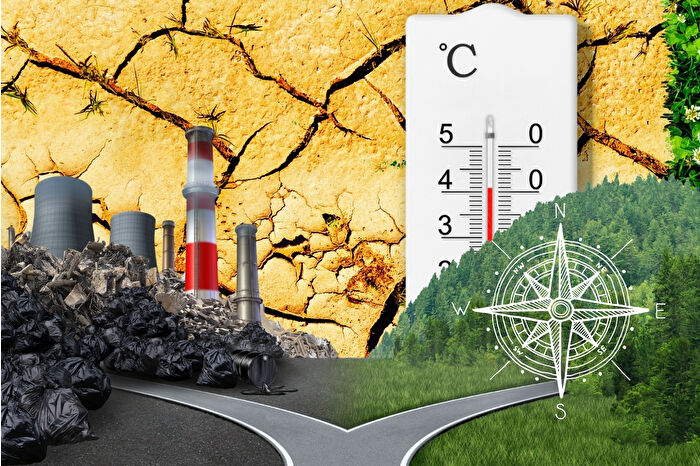
Meteorologists and climate researchers point out that this heatwave is not an isolated event but part of a broader trend of rising global temperatures. Türkiye has already experienced multiple heat anomalies in 2024 and 2025, with record temperatures recorded in parts of the Southeast and Mediterranean coasts earlier this summer.
“This is becoming the new normal,” says Dr. Levent Aksoy, a climate specialist at Ankara University. “Extreme weather events—including heatwaves, sudden floods, and droughts—are no longer rare. They are increasingly frequent, and we must prepare for even more intense climate events in the coming years.”
Looking Ahead: When Will Relief Arrive?
According to the MGM’s long-range models, temperatures will begin to ease slightly over the weekend, especially in coastal regions. However, inland areas are likely to remain hot well into the following week, with intermittent heat spikes expected through the rest of August.
Rainfall remains unlikely for the next 7 to 10 days across most of the country, prolonging drought conditions in several provinces.
What Can You Do? Practical Tips for Coping with the Heat
If you’re among the millions affected by this heatwave, here are some quick actions you can take to stay safe:
Hydration is key: Carry a water bottle and sip regularly
Limit exercise and outdoor chores to early morning or evening hours
Eat lighter meals that are easier to digest
Close curtains or blinds during the day to keep indoor spaces cooler
Never leave children or pets in parked vehicles
Listen to local weather alerts for heat and air quality updates
For businesses, consider adjusting work hours, allowing remote work, or offering heat-relief breaks for outdoor staff.
Preparedness Is the Best Protection
As Türkiye braces for one of the most intense heatwaves of 2025, staying informed and proactive will be essential. While extreme temperatures present serious challenges, community coordination, individual awareness, and government readiness can significantly mitigate risks.
Residents are urged to follow official updates from the Meteorology General Directorate, check in on vulnerable individuals, and take precautions seriously. The days ahead may be scorching—but with proper preparation, their impact can be managed.