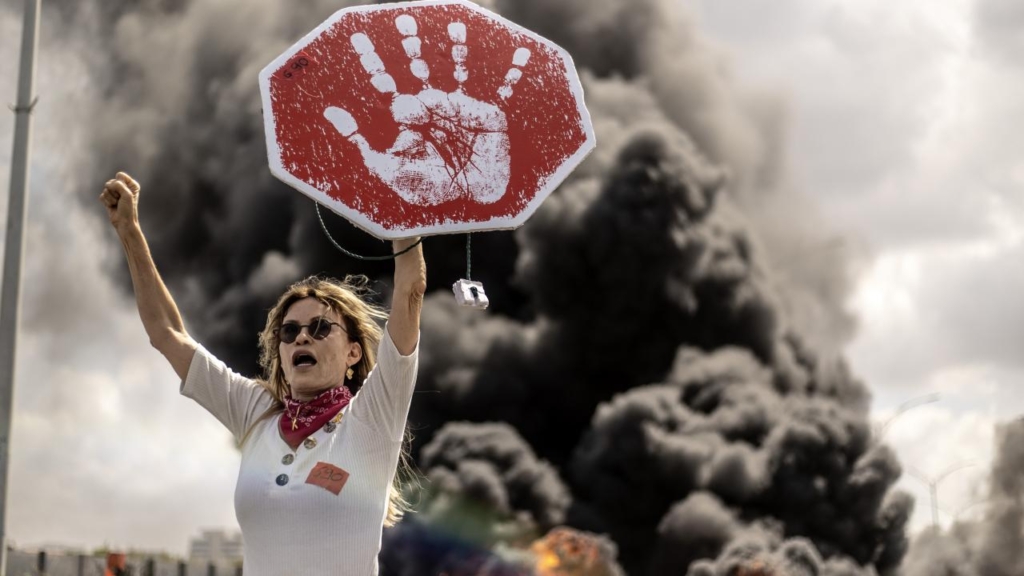

Tensions in Israel have escalated into massive street demonstrations, as thousands of protesters flooded key roads in Tel Aviv to demand urgent government action on the release of hostages held in Gaza. With banners raised and tires burning, demonstrators shut down major transportation routes, calling for a prisoner exchange deal to bring home the Israeli captives.
The latest wave of unrest has highlighted growing public frustration with the Israeli government’s handling of hostage negotiations and its broader approach to the ongoing conflict with Hamas. The movement is being led in large part by families of those captured, forming a coalition that continues to grow in strength and visibility.
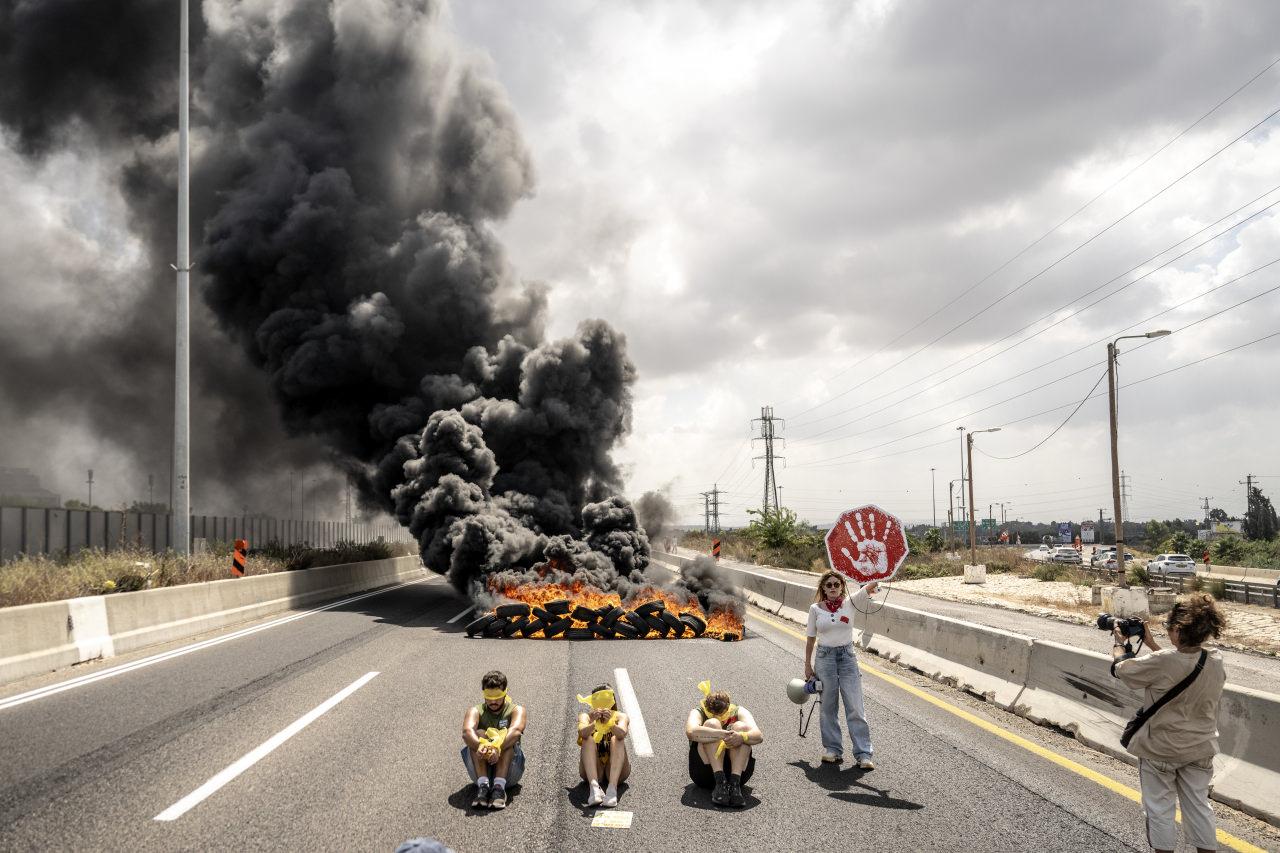
Citizens Block Highways and Light Fires to Draw Attention
Onlookers in Tel Aviv witnessed major disruptions as crowds of demonstrators blocked Route 2—one of the city’s most crucial highways—demanding immediate action from Prime Minister Benjamin Netanyahu’s administration. The protest was marked by symbolic acts, including the burning of tires and mass chants urging the government to prioritize negotiations.
Protesters held signs with phrases like “Don’t Sacrifice the Hostages” and “Peace Must Begin with Their Return,” signaling a shift in public sentiment toward a ceasefire-first approach. Many argue that the well-being of those held captive must come before political interests or long-term military strategies.
The Numbers Behind the Movement
What began as a series of scattered rallies in recent weeks has evolved into one of Israel’s largest protest movements in recent memory. In Tel Aviv alone, more than one million people have taken part in demonstrations, marches, and solidarity events—an astonishing figure given the city’s population of just under 400,000.
These numbers were confirmed by the central platform representing hostage families, which announced that events across the country had seen participation from over a million citizens. This includes a wide array of age groups and political affiliations, united by a common cause: the safe return of Israeli hostages.
Although the prominent protest site known as “Hostages Square” in Tel Aviv has ceased daily operations, organizers emphasized that the movement is far from over. As long as captives remain in Gaza, they say, public pressure will continue to mount.
Transport Disrupted Nationwide Amid Growing Pressure
The protests have not been limited to symbolic gestures. Nationwide strikes, called in coordination with the demonstrations, have brought parts of Israel’s infrastructure to a halt. Train services were significantly delayed, and massive traffic jams paralyzed cities like Tel Aviv, Haifa, and Jerusalem.
Israeli media reports confirm that transportation networks were severely affected, particularly due to railway suspensions. The logistical chaos added an extra layer of urgency to the protests, underlining the disruptive power of the civil movement.
Protesters Call for Agreement Even at the Price of Ceasefire
A central demand echoed across these demonstrations is for the Israeli government to strike a deal with Hamas, even if it involves a ceasefire. This position is gaining traction despite the security risks it might entail, with many citizens arguing that saving lives must take precedence over politics.
Speakers at the Tel Aviv protest repeatedly stressed that hostages should not become collateral damage in a prolonged conflict. Their plea is simple yet powerful—bring them home, no matter the political cost.
Footage from national television stations, including Channel 12, showed vast crowds gathered around public squares and government buildings. Reports indicated that the weekend rally in Tel Aviv drew tens of thousands of people, many of whom carried photos of loved ones believed to be held in Gaza.
Accusations of Sabotage Against Netanyahu
As the protests grow, so do accusations against Israel’s leadership. Both opposition politicians and hostage families are openly criticizing Prime Minister Netanyahu, accusing him of deliberately stalling negotiations to maintain his coalition government.
Critics say Netanyahu is placing political survival above human life, refusing to dissolve his coalition or make concessions that could facilitate a breakthrough with Hamas. The hostage families argue that this obstinacy has directly endangered their loved ones.
Hamas Claims Willingness to Negotiate
In a notable development, Hamas has reiterated its stance on the hostages. The group has publicly stated multiple times that it is willing to release all Israeli captives if a deal is reached involving the end of military operations, the withdrawal of Israeli forces from Gaza, and the release of Palestinian prisoners.
This claim adds fuel to the protesters’ argument that a deal is within reach if the government shows the will to act. Observers say the political implications of such a deal are complex, but the humanitarian angle cannot be ignored.
How Many Hostages Are Still in Gaza?
According to estimates provided by Israeli authorities, there are approximately 50 Israeli hostages still in Gaza, of which 20 are believed to be alive. The identities and conditions of these individuals remain largely unknown, further intensifying public anxiety and distrust toward official channels.
Families continue to seek updates, but the lack of transparency has only added to the unrest. Many are now relying on civil action and media pressure to push for answers.
Will the Government Respond?
Despite the unprecedented scale of the demonstrations, the Israeli government has yet to announce any change in its negotiation stance. Analysts suggest that the administration may be reluctant to appear weak in a region where military strength is often equated with political legitimacy.
However, the growing public unrest may soon force a recalibration of priorities. The longer the hostages remain in Gaza, the more difficult it becomes for Netanyahu’s government to justify inaction.
The Movement Is Far From Over
Although the intensity of demonstrations may vary, the underlying cause remains unresolved. Protest leaders and hostage families have made it clear that they will not back down until every captive is safely returned.
Tel Aviv, often regarded as Israel’s cultural and political heartbeat, has become the epicenter of this historic movement. It stands not only as a site of resistance but also as a symbol of national unity, drawing support from cities and communities across the country.
Whether the protests will yield a concrete agreement remains to be seen. But one thing is certain: the voices calling for peace through compassion and action are growing louder each day.