
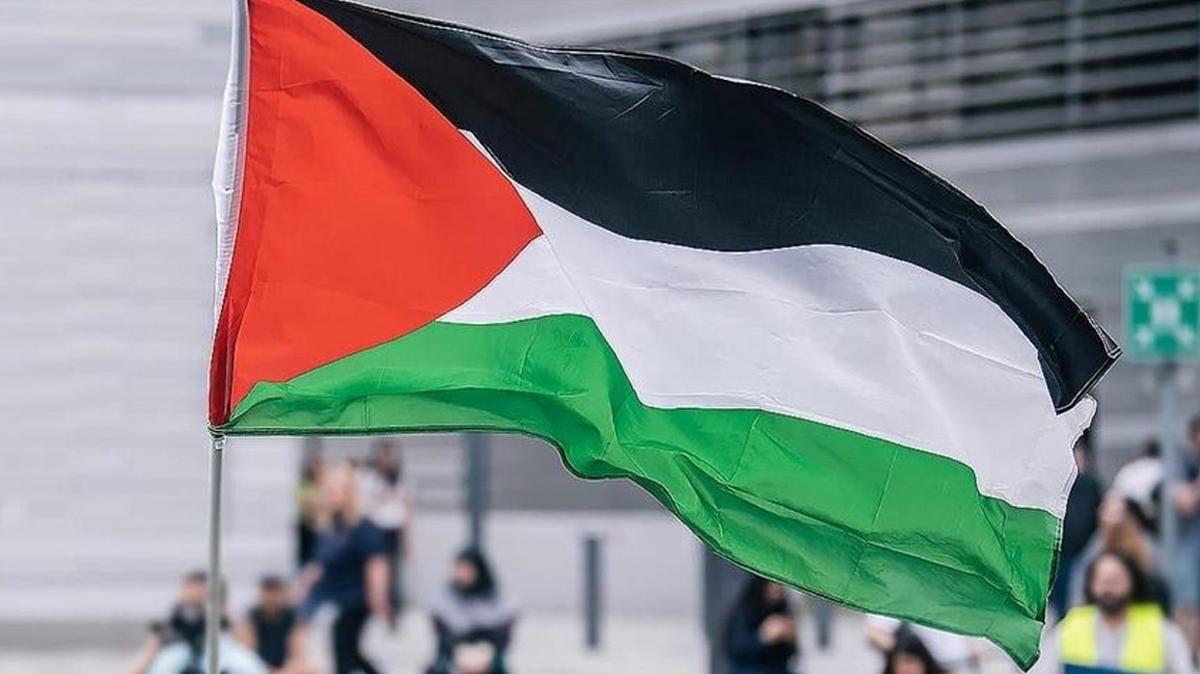
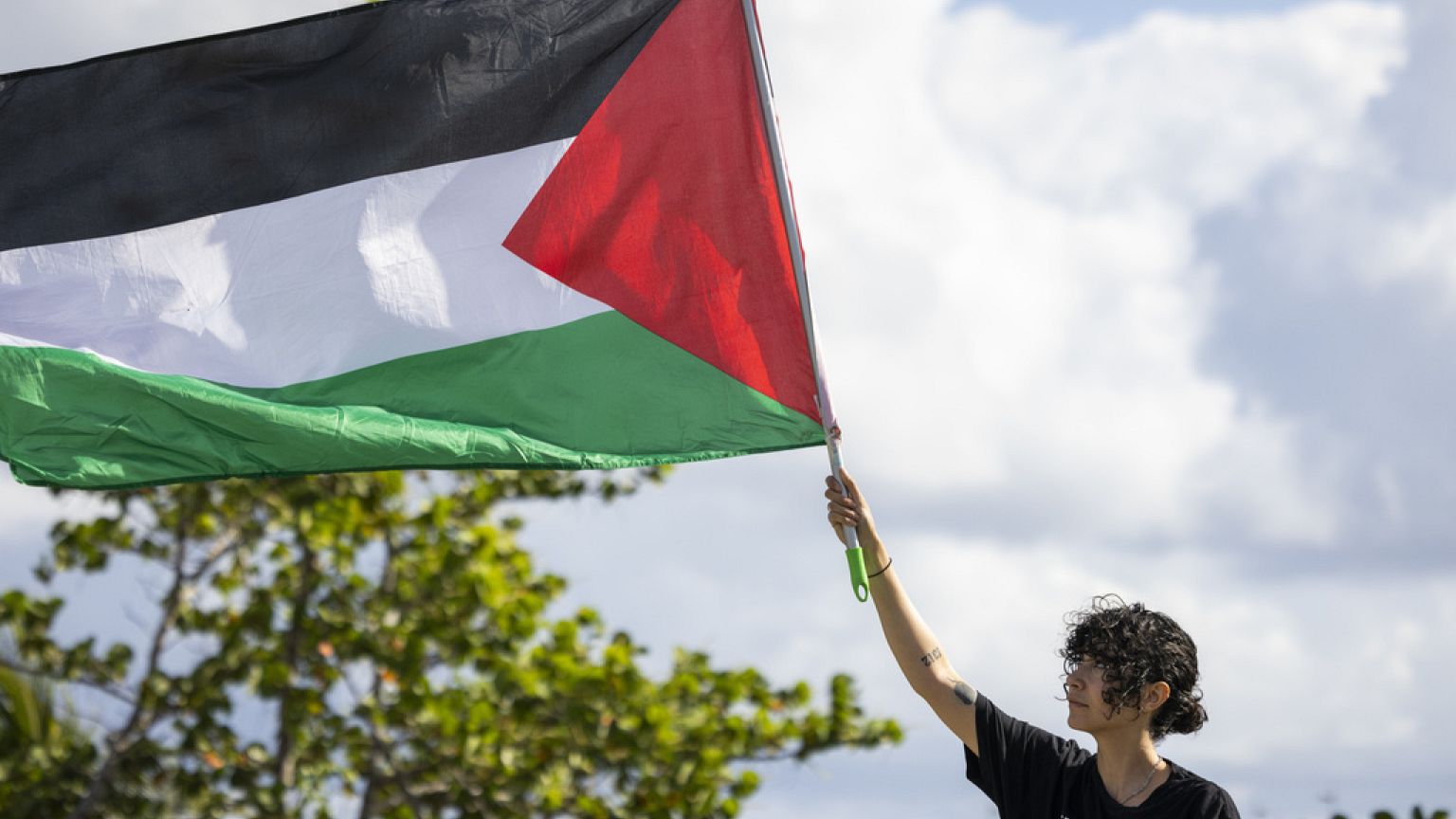
In a significant diplomatic shift, Australia has announced its decision to recognize the State of Palestine, joining a growing list of countries responding to the escalating humanitarian crisis in Gaza. Following recent moves by France, Canada, Finland, and Portugal, Prime Minister Anthony Albanese declared that Australia’s recognition would be formalized during the upcoming United Nations General Assembly in September.
The decision comes as Israel faces mounting global criticism for intensifying its military operations in Gaza, with plans that observers fear could amount to full occupation. Human rights organizations and multiple governments have expressed concern over what they describe as a deepening humanitarian catastrophe, urging immediate international action.
A Push for the Two-State Solution
During a press briefing after a cabinet meeting, Albanese stressed that the recognition of Palestine was a vital step toward breaking the cycle of violence in the Middle East. “The two-state solution is humanity’s hope for ending conflict, suffering, and hunger in Gaza,” he said, underlining that the ongoing bloodshed cannot be resolved without addressing the core political issues at stake.
The Australian leader placed special emphasis on the dire humanitarian conditions in Gaza. “The situation has surpassed the world’s worst fears. The Israeli government continues to defy international law, refusing to provide adequate aid, food, and water to desperate people, including children,” Albanese stated, reflecting a growing international frustration over aid blockages.
Rejecting the ‘Symbolic Only’ Narrative
In response to critics who dismiss the move as merely symbolic, Albanese made it clear that his government sees the recognition as a substantive political step. “This decision is an important contribution towards building momentum,” he asserted, signaling Australia’s intent to play a more active role in Middle Eastern diplomacy.
Global Context and Shifting Alliances
The Australian announcement is part of a broader global trend in which more countries are recognizing Palestine in the hope of reinvigorating stalled peace talks. While recognition does not resolve the immediate crisis, diplomats argue that it strengthens Palestine’s standing in international institutions and increases pressure on Israel to engage in negotiations.
The move also comes amid heightened tensions between Israel and several Western nations over the conduct of military operations in Gaza. Civilian casualties, destruction of infrastructure, and the ongoing blockade have fueled calls for accountability under international law.
Humanitarian Stakes in Gaza
Reports from aid organizations depict an alarming situation in Gaza, where shortages of food, clean water, and medical supplies have reached critical levels. The United Nations has warned that prolonged restrictions on aid could lead to widespread famine, exacerbating an already catastrophic public health crisis.
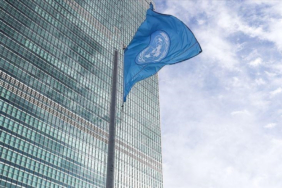
Australia’s decision is expected to resonate strongly in multilateral forums, especially as the UN General Assembly approaches. Advocates for Palestinian rights believe that each new recognition increases the likelihood of coordinated international measures to ensure humanitarian access and protect civilians.
Implications for Australia’s Foreign Policy
By aligning itself with countries pushing for Palestinian recognition, Australia is signaling a willingness to diverge from traditional allies who remain cautious on the issue. This could open new diplomatic channels with Arab and Muslim-majority states, while potentially creating friction with Israel and some of its supporters.
Foreign policy analysts note that the recognition is consistent with Australia’s past support for a negotiated two-state solution, but also marks a firmer stance in light of the current crisis. It reflects a broader reassessment of how middle powers can influence entrenched global conflicts through diplomatic recognition and coalition-building.
Looking Toward the UN Stage
When Australia formally submits its recognition of Palestine at the UN General Assembly in September, it will join over 140 countries that have already taken this step. While the move alone will not end the violence, it represents a political commitment to a future in which both Israelis and Palestinians can coexist within secure and recognized borders.
Whether this recognition prompts renewed diplomatic engagement or simply deepens existing divides will depend on the reactions of key regional players and the broader international community. What is clear is that Australia’s announcement adds weight to the growing chorus of voices demanding an urgent, just, and lasting resolution to one of the world’s most intractable conflicts.