
A powerful earthquake measuring 8.8 on the Richter scale struck off the coast of Russia’s Kamchatka Peninsula, shaking the region in the early hours and triggering tsunami warnings across the Pacific. The tremor, which occurred at a depth of approximately 20.7 kilometers, was recorded at 02:24 Türkiye time, according to the United States Geological Survey (USGS).
The quake, among the strongest recorded in recent years in the Pacific region, sent shockwaves across thousands of kilometers. Authorities in Russia, Japan, Mexico, and the United States—specifically Alaska and Hawaii—issued tsunami alerts, warning coastal populations of potential high waves and urging them to take immediate precautions.
A Close-Up View from Turkish Workers on Site
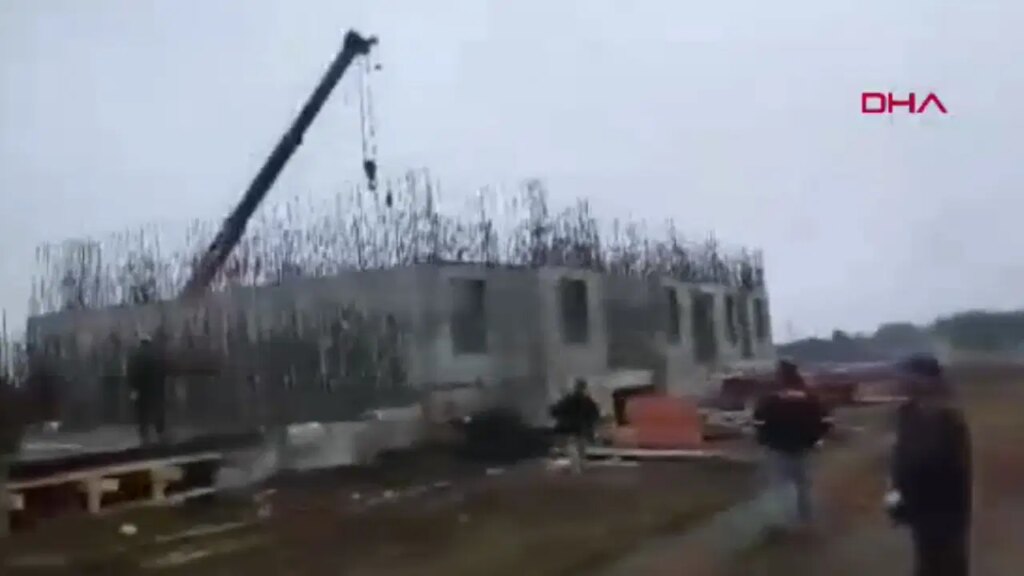
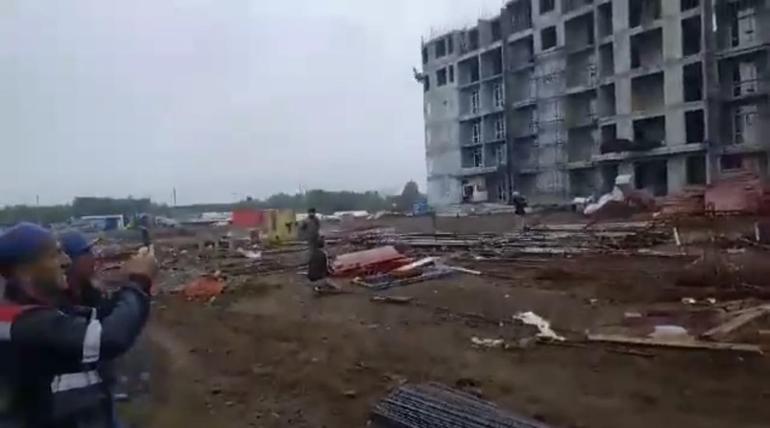
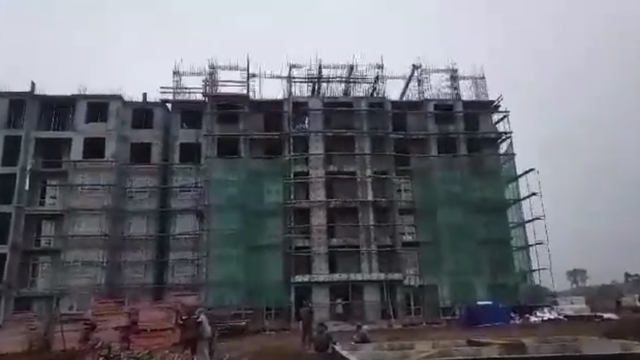
Among the first to document the quake were a group of Turkish construction workers from Bartın, currently working at a construction site in Kamchatka. The workers, caught off-guard by the sudden tremors, managed to capture the frightening moments on their mobile phones.
In the footage, trembling scaffolding, swaying steel beams, and panicked voices of the workers are clearly visible and audible. The raw nature of the video underscores the sheer magnitude of the event and the confusion experienced by those in its immediate path.
Their instinct to record the incident reflects not only the urgency of the situation but also their desire to share the experience with loved ones back in Türkiye, offering a firsthand glimpse of nature’s power and unpredictability.
Tectonic Landscape of the Kamchatka Peninsula
The Kamchatka Peninsula is no stranger to seismic activity. Situated along the volatile Ring of Fire, the region is home to numerous active volcanoes and fault lines. It experiences frequent earthquakes due to the subduction of the Pacific Plate beneath the Okhotsk Plate.
What makes this recent earthquake particularly alarming is its magnitude and the widespread tsunami alerts it prompted. An 8.8 magnitude earthquake is considered a “great” earthquake on the Richter scale, capable of causing catastrophic damage, especially if shallow and near populated areas.
Fortunately, the epicenter was located offshore, which may have mitigated the direct structural damage to inland regions. However, the threat of resulting tsunamis poses a grave risk to low-lying coastal settlements across multiple nations.
Global Reactions and Emergency Measures
Following the quake, emergency systems in several countries were activated. Japan, known for its advanced earthquake preparedness, immediately issued coastal evacuation advisories. Mexico, already familiar with Pacific tectonic activity, also placed its Pacific coast on alert.
In the United States, both Alaska and Hawaii were included in the tsunami risk zones. The Pacific Tsunami Warning Center issued bulletins advising local authorities to monitor wave behavior and take precautionary actions if necessary.
Russian authorities in Kamchatka swiftly assessed infrastructure and began implementing emergency protocols. While detailed damage reports are still pending, early indicators suggest that some remote areas may have experienced disruptions in communication and transport services.
Emotional Impact on Turkish Workers and Their Families
For the Turkish workers on site, the experience was harrowing. The initial tremors were sudden and violent, with buildings under construction visibly swaying. The workers’ voices in the video reveal a mix of fear, disbelief, and urgency as they scrambled to safety.
These individuals had traveled thousands of kilometers from Bartın, a province in northern Türkiye, to work in harsh conditions far from home. Their presence in Kamchatka highlights Türkiye’s global labor mobility, with citizens often taking jobs in challenging environments to support their families.
News of their safety brought immense relief to relatives and local communities in Türkiye, where the footage quickly circulated across social media and news outlets. The videos not only served as documentation but also brought emotional connection and concern from a nation watching from afar.
The Role of Citizen Journalism in Natural Disasters
In an age dominated by smartphones and social platforms, citizen journalism has become a critical tool during emergencies. The footage captured by Turkish workers is now being analyzed by both media and geological experts to assess the quake’s intensity and immediate effects.
Such videos help bridge the information gap in the critical first hours following a natural disaster. While official seismic data provides the scientific details, firsthand footage reveals the human side—the fear, the chaos, the resilience.
The Turkish workers’ instinct to document and share the event allowed millions to witness the earthquake almost in real time, offering both insight and empathy.
Türkiye’s History with Earthquakes Fuels Collective Sensitivity
Türkiye itself is no stranger to powerful earthquakes. The country lies on multiple fault lines, with devastating quakes having marked its recent history, including the deadly events in İzmit (1999) and Kahramanmaraş (2023). This deep familiarity with seismic tragedies likely intensified national concern for the Turkish citizens affected abroad.
The Ministry of Foreign Affairs and Türkiye’s diplomatic missions were quick to verify the safety of Turkish nationals in the Kamchatka region, stating that they were monitoring the situation closely and were ready to provide assistance if needed.
This sense of collective memory and national solidarity often manifests strongly among Turkish citizens, especially when compatriots face danger on foreign soil.
Ongoing Tsunami Monitoring and Geological Assessments
At the time of writing, tsunami waves had not yet reached catastrophic levels, though ocean behavior continues to be monitored by regional agencies. Scientists are analyzing whether this earthquake may signal increased tectonic activity in the region, possibly affecting neighboring fault systems.
Given the depth and scale of the event, aftershocks are expected in the coming days. Authorities have urged coastal residents in affected countries to remain vigilant and prepared for further seismic movement.
Reflections on Resilience and Global Connection
Natural disasters like the Kamchatka earthquake remind the world of our interconnected vulnerability. The earth’s movements know no borders, and their consequences ripple far beyond the epicenter. From the cold soils of Kamchatka to the warm kitchens in Bartın, the tremors were felt emotionally if not physically.
Yet, amid the chaos, stories of resilience, quick thinking, and global solidarity emerge. Turkish workers risking their lives, recording history, and connecting two distant worlds in the process—these moments are a testament to the enduring human spirit.
As Türkiye and the international community continue to monitor the aftermath, the hope remains that preparedness, awareness, and communication will minimize harm and foster stronger bonds across nations facing common natural threats.