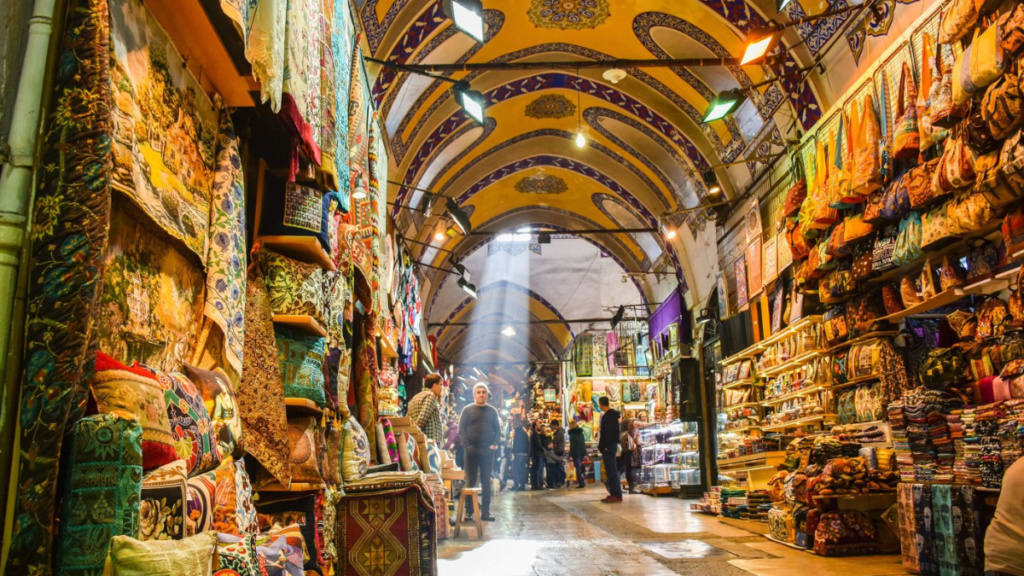

Nestled between the historical neighborhoods of Beyazıt and Nuruosmaniye in the Fatih district of Istanbul lies one of the oldest and most iconic marketplaces in the world — the Grand Bazaar. With its origins dating back to 1455 under the reign of Fatih Sultan Mehmet, this vast labyrinth of covered streets has evolved into a vibrant symbol of Turkey’s cultural, historical, and commercial identity.
Featuring more than 4,000 shops and 61 different entrances, the Grand Bazaar isn’t just a shopping destination — it’s a living, breathing museum of Istanbul’s layered past. Every corner hides a story, every alley pulses with color and tradition.
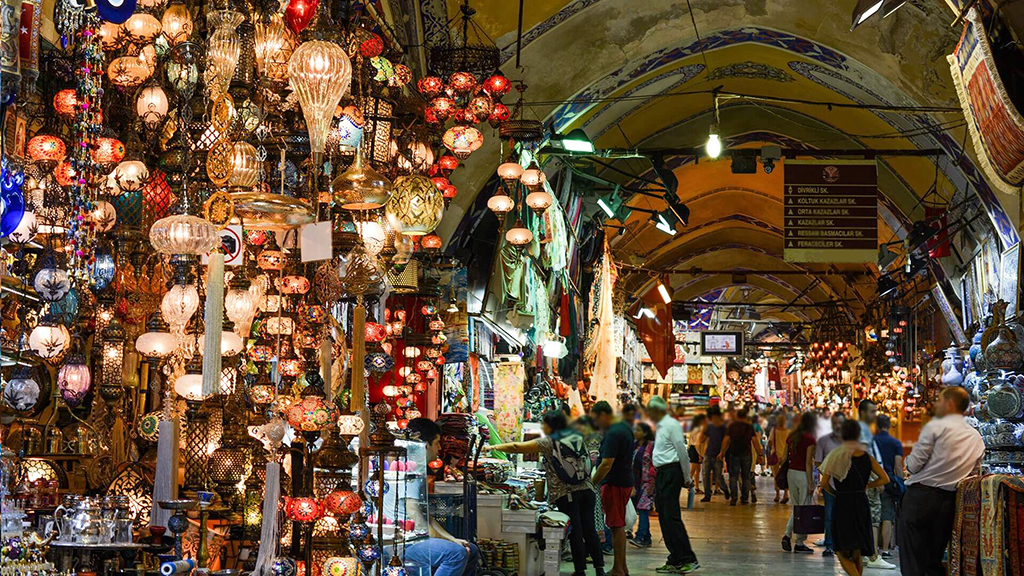
A Living Museum of Commerce and Culture
Founded officially in 1461 upon Fatih Sultan Mehmet’s decree, the Grand Bazaar was initially envisioned as a hub for trade in textiles, jewelry, and luxury goods. Over time, it expanded organically, transforming into the beating heart of Istanbul’s economic and social life.
Today, the bazaar welcomes an estimated 250,000 visitors daily, including tourists, locals, merchants, and artisans. From Turkish delight vendors to antique dealers and rug merchants, each corner buzzes with activity, echoing centuries of history.
What to Buy in the Grand Bazaar
If you’re wondering what makes this marketplace stand out in a city full of modern malls and international retailers, the answer lies in its authentic, handcrafted, and often one-of-a-kind offerings.
Handwoven Carpets – Timeless Works of Art
Among the bazaar’s most coveted items are its exquisite handwoven carpets, which arrive from all over Turkey — including regions like Hereke, Uşak, and Kayseri. Each rug is a canvas of craftsmanship, with symbols and patterns reflecting local heritage.
Starting price: Around 2,000 TL
Tip: Ask for the origin and dye technique to ensure authenticity
SEO keywords: Turkish carpets, handwoven rugs Istanbul, Grand Bazaar textiles
Whether you’re buying a decorative kilim or an heirloom-quality silk carpet, you’re investing in more than just decor — you’re bringing home a piece of living history.
Traditional Jewelry – A Sparkle from the Past
The Grand Bazaar is a treasure trove of Ottoman-style jewelry, especially in areas like Kalpakçılar Street, known as the heart of Istanbul’s gold and gemstone trade.
Look for Erzurum-style filigree (telkari), and rings or pendants with emeralds, rubies, and sapphires
SEO keywords: Ottoman jewelry, Turkish gemstones, gold shopping Istanbul
These pieces are not only dazzling accessories but also cultural artifacts — often handmade by artisans whose skills have been passed down through generations.
Spices and Turkish Delight – A Taste of Tradition
Though the nearby Spice Bazaar gets most of the fame, the Grand Bazaar also hosts its fair share of aromatic treasures.
Must-buy items: Saffron, cinnamon, sumac, dried rose petals
Don’t miss: Locally crafted Turkish delight (lokum), ideal for gifting
SEO keywords: Turkish delight Istanbul, Grand Bazaar spices, traditional sweets Turkey
Vendors often let you sample before buying, so don’t hesitate to ask for a taste of pistachio, rose, or pomegranate-flavored lokum.
Antiques and Curios – Echoes of the Ottoman Empire
Wandering into the antique section of the Grand Bazaar feels like stepping into a time machine. Here, you’ll find:
Vintage pocket watches
Ottoman coffee sets from the 19th century
Old Turkish coins, manuscripts, and ceramics
Each object has its own history, waiting to be discovered. This is not just shopping; it’s an archaeological adventure.
Where to Eat and Drink – Savoring the Flavors of the Bazaar
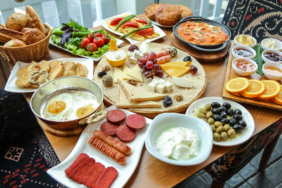
A visit to the Grand Bazaar isn’t complete without tasting its rich culinary offerings. Whether you’re in the mood for a quick coffee or a full Turkish meal, there’s something for everyone.
Turkish Coffee: Famous for its unique foam and strong aroma. Try the Menengiç coffee, made from pistachio beans.
Traditional Meals: Many family-run eateries offer home-style dishes such as stuffed grape leaves, lentil soup, and döner kebab.
Ottoman Desserts and Sherbets: Sweet, rich, and colorful. Try quince dessert or tamarind sherbet.
Tip: Prices may be slightly higher due to the historical location, but the ambiance and authenticity make it worth every lira.
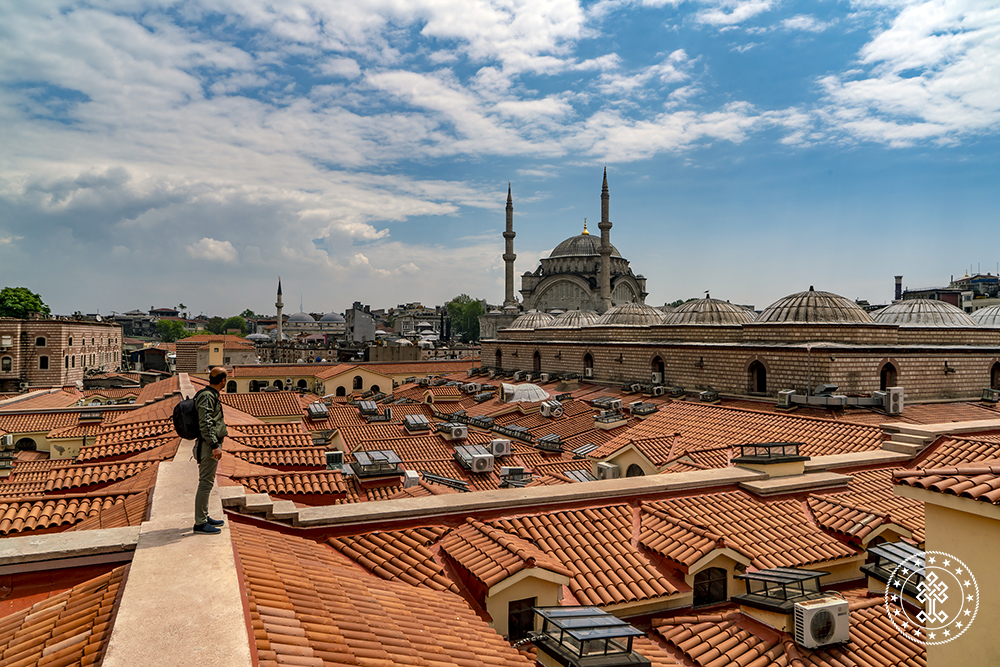
Architectural and Cultural Highlights to Explore
While shopping may be the primary draw, the architecture and cultural landmarks within the bazaar are equally captivating.
Nuruosmaniye Gate – A Grand Entrance
Start your journey through the Nuruosmaniye Gate, one of the most majestic entrances. It’s a striking example of Ottoman Baroque architecture, blending classical elegance with Islamic artistry.
This gateway sets the tone for what lies ahead — an immersive cultural experience where every arch and alley tells a story.
Kalpakçılar Street – The Jewelry Capital
This vibrant artery of the bazaar is lined with some of Turkey’s finest goldsmiths and jewelers. The displays are mesmerizing, and the hospitality is warm. Even if you’re just window shopping, the glittering displays will captivate your senses.
Zincirli Han – Serenity Amid the Chaos
For those seeking a quieter moment, head toward Zincirli Han, one of the Grand Bazaar’s lesser-known yet deeply atmospheric courtyards.
Here, you can explore workshops of local artisans, enjoy a traditional tea, or simply soak in the ambiance of old-world Istanbul.
Tips for Navigating the Grand Bazaar
To make the most of your visit, keep the following advice in mind:
Haggling is expected: Bargaining is not just accepted — it’s a tradition. However, always remain respectful and good-humored.
Map your entry point: With 61 gates and a complex layout, it’s easy to lose your way. Mark your entry gate on your phone or take a photo.
Best time to visit: Early mornings offer a calmer experience. After 11 AM, crowds swell dramatically.
Operating hours: Closed on Sundays and Saturday evenings.
SEO keywords: Grand Bazaar travel tips, Istanbul shopping guide, navigating Grand Bazaar
Recommended Route for First-Time Visitors
If you’re unsure where to start, try this curated walking route to experience the bazaar’s best:
Starting Point: Nuruosmaniye Gate
→ Jewelry Quarter (Kalpakçılar)
→ Antique Alley
→ Carpet Row
→ Spice Market Corners
→ Zincirli Han (perfect for a coffee break)
→ Exit through Beyazıt Gate
This path offers a blend of visual splendor, shopping diversity, and historical atmosphere.
More Than a Market – A Journey Through Time
What sets the Grand Bazaar apart from other global shopping destinations is not just its scale or age — it’s the emotional connection it fosters. Walking through its narrow alleys, hearing the echo of merchants calling out prices, smelling the scent of saffron and leather, you’re not just a tourist — you become part of a living tradition.
Each vendor has a story. Each item holds a legacy. Each visit leaves you with a lasting impression.
The Grand Bazaar Is Istanbul’s Beating Heart
Whether you’re hunting for a rare antique, sipping Turkish coffee in a shadowy courtyard, or marveling at the glitter of Ottoman gold, the Grand Bazaar is more than just a marketplace — it’s a portal into the soul of Istanbul.
So when you find yourself in this magnificent city, don’t just shop. Listen. Observe. Feel. Because the Grand Bazaar is not just a place to buy things — it’s a place to experience history, culture, and connection.