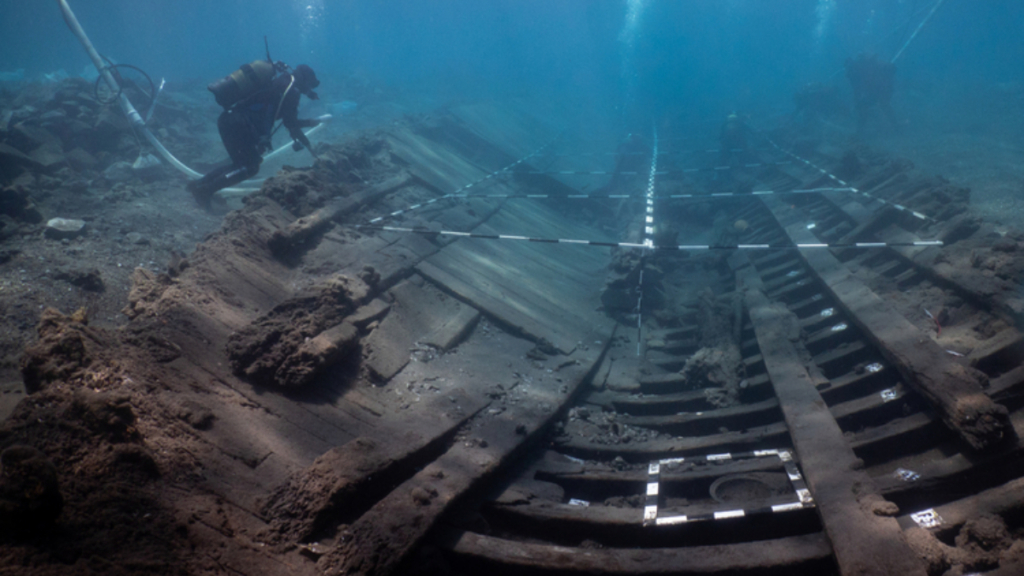

In the tranquil coastal waters off Türkiye, a remarkable piece of history is resurfacing. The only known Ottoman shipwreck from the 17th century currently under archaeological excavation is revealing secrets long buried beneath the sea. Carried out by the team from Dokuz Eylül University’s SUDEMER as part of the Ministry of Culture and Tourism’s “Legacy for the Future” initiative, this underwater dig is shaping up to be one of the most significant maritime heritage projects in the country.
Located in a shallow dive site where accessibility allows for detailed and extended exploration, this shipwreck isn’t just a relic of Türkiye’s past—it’s a vibrant archive of the Ottoman Empire’s naval power, military operations, and daily life in the 1600s.
A Personal Dive by the Minister Sparked Global Attention
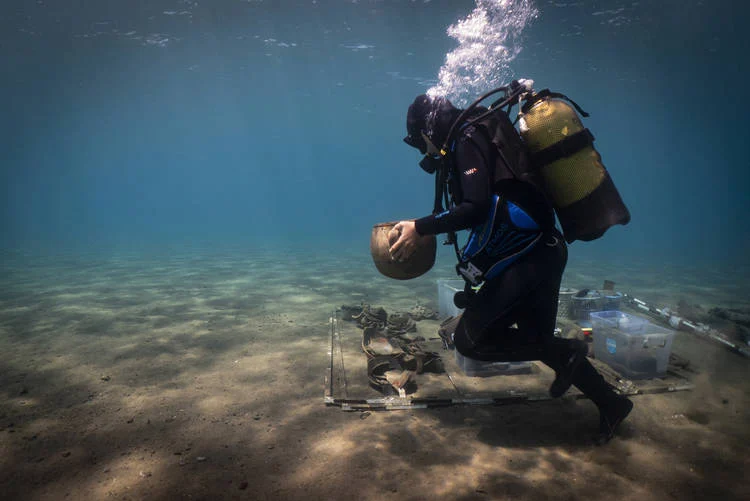
Interest in this exceptional archaeological site spiked in 2021 when Türkiye’s Minister of Culture and Tourism, Mehmet Nuri Ersoy, personally dived to explore the wreck. His visit brought national and international visibility to the project and emphasized the country’s commitment to maritime heritage.
The excavation has since intensified, with skilled divers and researchers from SUDEMER working from early morning briefings to late-night documentation sessions. The shallow nature of the site allows divers to conduct two full dives per day, dramatically increasing the volume and detail of data collected.
The Shipwreck That Burned and Sank in the 1660s
Prof. Dr. Harun Özdaş, the lead archaeologist overseeing the project, confirmed that the ship dates back to between 1667 and 1668. The discovery of an official seal within the wreck helped pinpoint the timeline. According to Özdaş, evidence suggests that the ship ran aground and subsequently caught fire before sinking—an incident now frozen in time beneath the waves.
This Ottoman-era vessel is believed to have been an official state ship, likely involved in military or trade operations. Its remains have yielded an incredible range of artifacts that provide both cultural context and logistical insight into 17th-century Ottoman maritime activities.
From Weapons to Porcelain: An Underwater Time Capsule
This season’s excavation brought forward an especially high volume of military artifacts. Divers retrieved:
36 Ottoman rifles still bundled in their original packing
Over 50 grenade-like devices known as “humbaras”
Swords, daggers, and pistols
More than 3,000 lead bullets
Beyond weaponry, archaeologists uncovered 135 pipe bowls produced at Tophane, two full chess sets, Chinese porcelain items, copper containers, combs, and water flasks. These objects reflect not only military readiness but also the daily life and material culture of sailors and officers aboard the vessel.
According to Özdaş, the shipwreck holds enough value and content to justify the establishment of a dedicated museum. The team has also registered nearly 20 other submerged wrecks from various time periods in the surrounding area, hinting at the region’s long-standing maritime significance.
Mapping the Shipwreck with Photogrammetry and Digital Tools
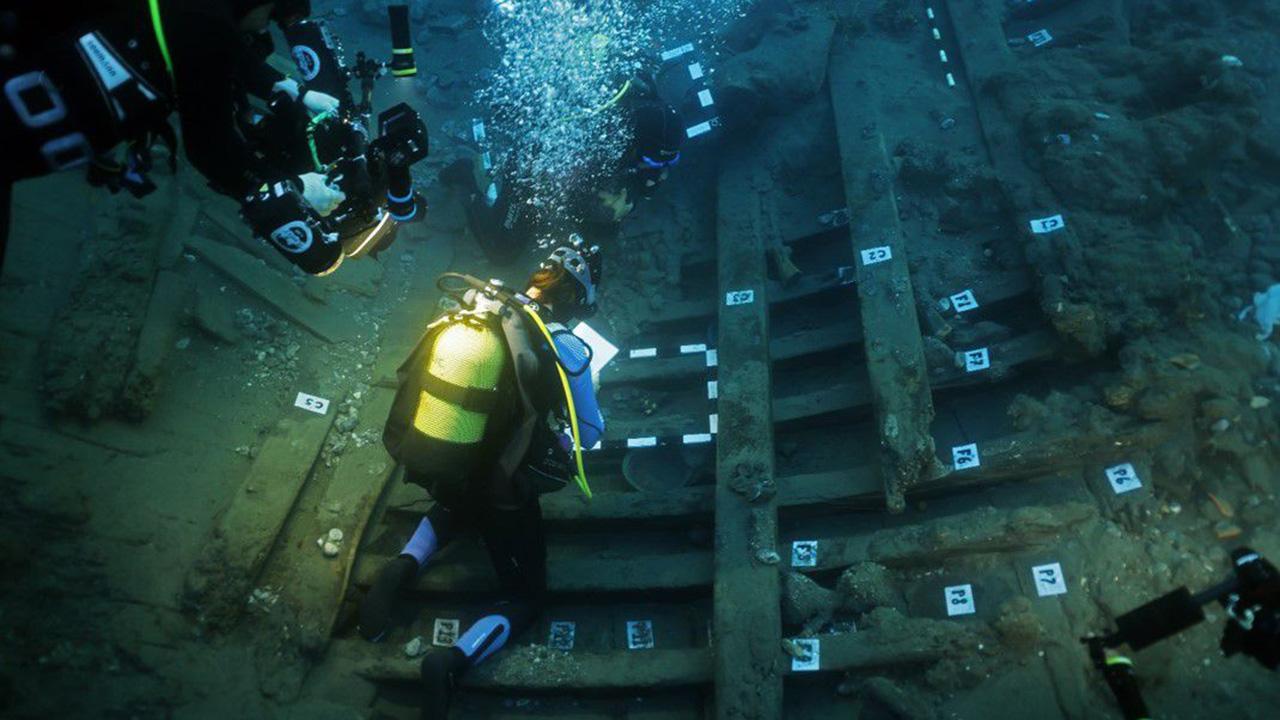
To preserve and better understand the site, researchers are employing advanced photogrammetry techniques. Associate Professor Dr. Nilhan Kızıldağ, who serves as deputy excavation director, explained that hundreds of photographs are compiled daily to create detailed digital maps of the wreck.
This process not only aids in cataloging items but also allows for virtual reconstruction and educational outreach. The use of technology has become an indispensable part of modern archaeology, enabling researchers to document and revisit their findings with unprecedented precision.
A Testament to the Ottoman Navy and Cultural Complexity
What makes this wreck particularly fascinating is the duality of its cargo. The presence of both high-grade military equipment and intricate leisure items like chess sets and porcelain tea accessories paints a picture of a ship that was both functional and culturally rich.
It also serves as a testament to the sophistication of Ottoman naval logistics. The organization of supplies, the diversity of materials, and the scale of weaponry indicate a well-coordinated military maritime operation—possibly linked to ongoing campaigns or diplomatic missions of the time.
Minister Ersoy Highlights National Significance
Commenting on the excavation, Minister Mehmet Nuri Ersoy stated that this shipwreck is a rare and valuable window into Ottoman naval power and trade history. He emphasized that this project not only uncovers archaeological treasure but also honors the country’s maritime legacy.
“This vessel, buried beneath the sea for centuries, is now telling the story of our ancestors—their strength, craftsmanship, and global reach,” Ersoy said. “We are tracing the footsteps of our history not only on land but also beneath the waves.”
Implications for Tourism and Education
The broader implications of the project stretch beyond archaeology. As awareness grows, the site may become a cornerstone for cultural tourism, attracting historians, students, and curious travelers alike. Educational exhibits or even virtual reality recreations could offer immersive learning experiences that bring Türkiye’s maritime history to life.
Such endeavors also support economic and regional development by placing coastal towns on the cultural tourism map. Partnerships with museums, schools, and heritage organizations could amplify the reach of this discovery, turning academic findings into public knowledge.
Preserving the Past for Future Generations
While underwater archaeology poses logistical and financial challenges, it also offers immense rewards. The meticulous documentation and conservation of each artifact ensure that future generations will have access to Türkiye’s submerged history.
Through initiatives like the “Legacy for the Future” project, Türkiye is reaffirming its commitment to heritage preservation in all forms—land, architecture, literature, and now, increasingly, its waters. This project is a beacon of what national pride, scientific dedication, and strategic vision can achieve together.
As the excavations continue, the sunken Ottoman ship continues to offer new pieces to the historical puzzle, enriching not only Türkiye’s identity but also the broader understanding of maritime history in the Mediterranean and beyond.